But you shouldn't be fooled by their respectable, shiny appearance. These pests can compromise hygiene and our health. They can contaminate surfaces with pathogens. They should therefore never be tolerated in our immediate surroundings. We provide comprehensive information about these pests and show ways to repel and control them.
Our expert Prof. Dr. med. vet. Norbert Mencke, specialist veterinarian for parasitology, offers support for small flies at the window.
- Blowflies - widespread worldwide, unwelcome everywhere
- Genuinely dangerous
- Please not in the house: repel and control blowflies and avoid breeding sites
- Conclusion

Blowflies - widespread worldwide, unwelcome everywhere
The blowfly is without any doubt one of the most successful insects and has been able to establish itself worldwide. But this does not mean that it is particularly popular. No one likes this pest near them. This is mainly because they prefer to stay on animal carcasses and excrement. Hence their name: since the 16th century, the word (Ge)schmeiß has been used to mean "vermin, rabble, scum", previously it was called Middle High German “gesmeiʒe”, which meant "refuse, excrement (from animals)".
So that you can better understand the pests and also get rid of them successfully, we will tell you everything important about the appearance, lifestyle, and reproduction of the blowfly.

Recognizing blowflies at a glance
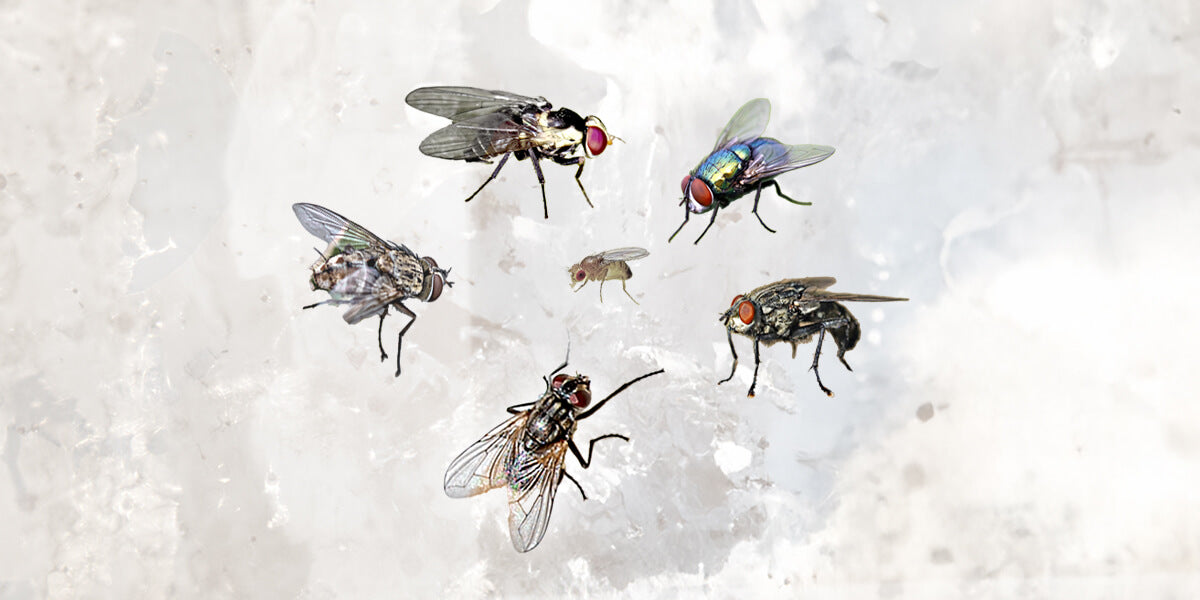
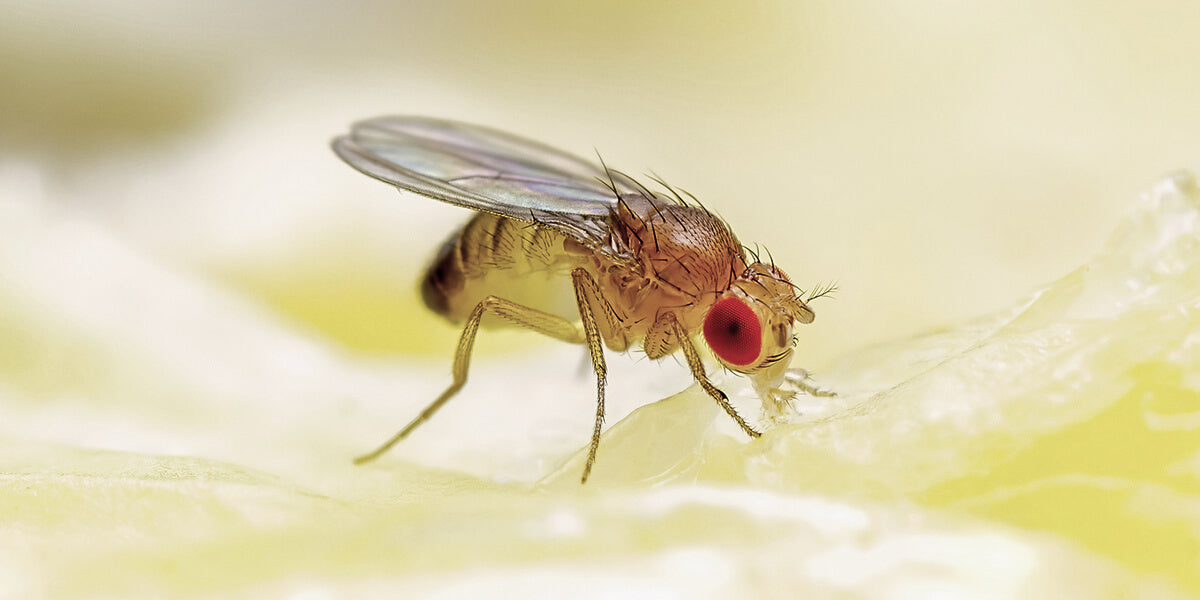
In fact, blowflies (such as Calliphora vicina) can be distinguished from other fly species relatively easily. Their characteristic appearance and metallic shiny body in blue, green, or bronze are typical features. The insects reach a size of 9 to 13 millimeters and have a hairy head. The upper side of the wings is also hairy. The large, red compound eyes are also striking, which stand out visually from the body. The wings are transparent and characterized by a striking veining. Typical is also the sluggish flight of the blowfly, which is accompanied by a loud buzzing.

Belongs to the family: The goldfly
The goldfly (Lucilia sericata) also belongs to the blowfly family. It is relatively easy to recognize because it has some striking distinguishing features - especially the color. While many other blowflies shimmer from dark blue to blue-green, the goldflies are shiny gold-green. Otherwise, it also applies to the goldflies that they are anything but "golden". They are also health pests and should therefore, if possible, be repelled directly.

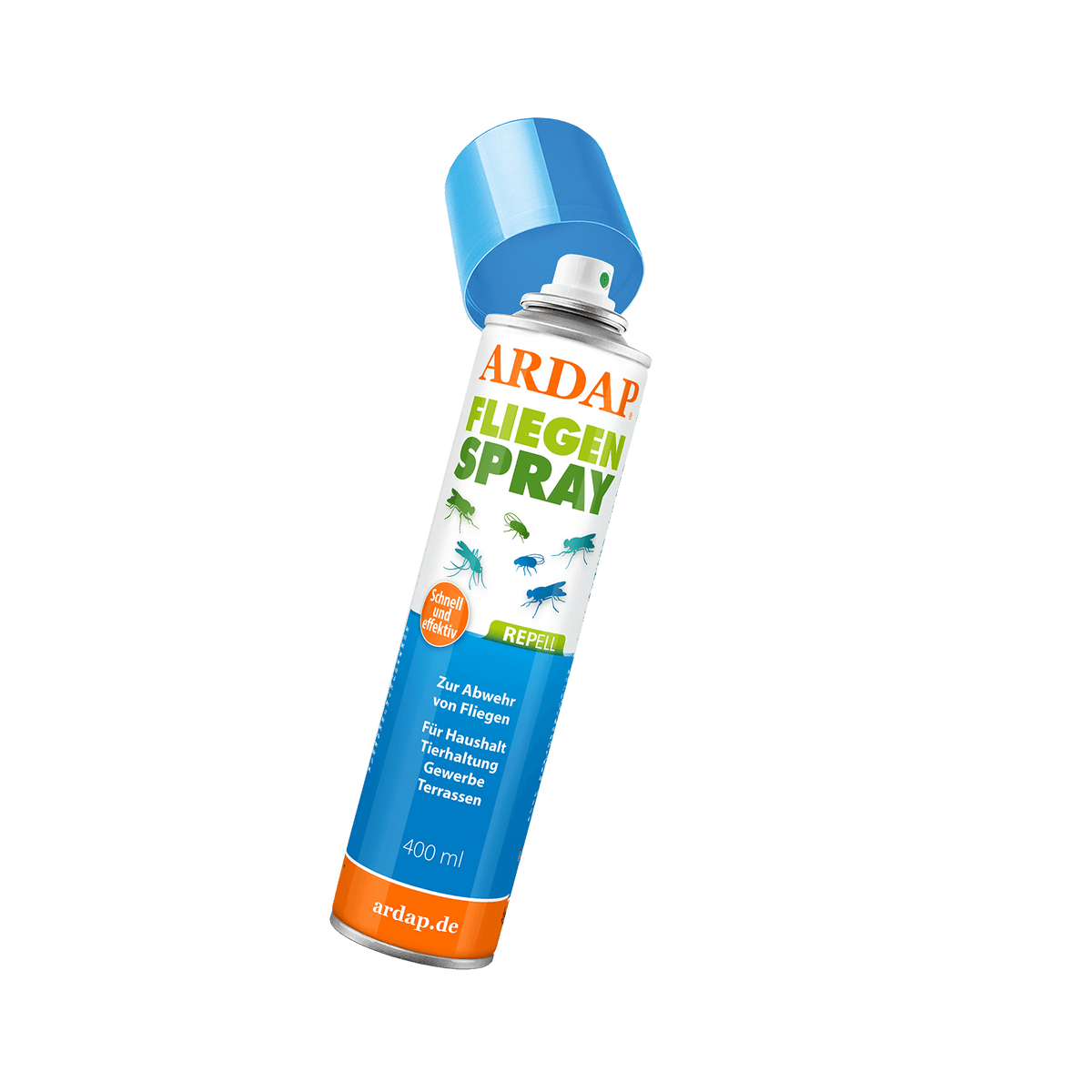
Works quickly and effectively
For repelling flies
For household, animal keeping, commercial use, terraces
To the productOccurrence and lifestyle of the blowfly
In principle, blowflies occur everywhere. They are widespread worldwide and also stay inside buildings. In our houses, blowflies prefer the kitchen or storage rooms, where they have their sights set on our food. But they can also be found in animal husbandry businesses, as well as on pasture areas. They show a particularly high activity pattern in summer when it is warm. In winter, however, they tend to seek sheltered places to overwinter, such as the attic or the basement. They feed mainly on sweet foods and protein-rich substances such as rotting meat.

Blowflies: Reproduction and life cycle
In principle, flies spread rapidly. It is therefore typical that an infestation quickly takes on threatening proportions. This makes it all the more important that you take countermeasures and make life difficult for the blowflies. Over its entire lifespan, a single female can lay 700 eggs. These are grouped in batches of 150 eggs each. For egg-laying, they use animal carcasses and also gladly excrement. The larval hatching of the blowfly is temperature-dependent and occurs after 12–72 hours. The larval stage lasts a total of 8–10 days. In Germany, a cycle takes about four weeks and the activity period takes place from May to October.
Blowfly larvae: In the service of medicine
Blowflies are not only nuisances, but also pests that can pose a serious health risk. However, under certain conditions, the larvae are an exception. They find application in human medicine and can be useful for supporting wound healing. For this, it is necessary to breed the maggots under sterile conditions in the laboratory and then place them on the wound. The animals eat the infectious, dead skin tissue here – and only this – and can therefore help to contain infections and promote wound healing. As stated, however, these maggots are a special breeding for medical use.
Regardless of this, it is true that blowflies and their larvae otherwise have no place in our homes and houses.

Genuinely dangerous
Blowflies have a bad reputation, and rightly so. They pose a danger with regard to hygiene and health and can cause considerable problems here. It is therefore important that you can recognize and correctly assess the danger.
Blowflies as hygiene pests
The females of the blowfly feed on plant juices with their lapping-sucking mouthparts, while laying their eggs in rotting, organic materials. This includes particularly carrion and excrement (feces). The flies are found on animal carcasses and stay in indoor and outdoor trash cans. In doing so, they come into contact with a variety of bacteria, viruses, and parasites. If they subsequently land on our food, kitchen surfaces, or other objects, they pose a serious hygiene problem. Blowflies like to infest foods with a high protein content. These include, among others, fish, meat, and cheese. These foods are contaminated by contact with the blowfly and thus become inedible for us.

Blowflies as health pests and disease carriers
Regarding the blowfly as a health pest, it is about the transmission of veterinary and human pathogenic pathogens. The pathogens that cause cholera, diarrhea, dysentery, or typhoid can be mentioned. Since blowflies walk around everywhere and pick up pathogens over their legs covered with fine hairs, they are distributed on a large scale. The germs are also released into the environment through the saliva and digestive juices of the blowfly, which additionally favors a rapid spread.

Some blowfly species lay their eggs in open wounds, where the maggots can develop undisturbed. We also call this myiasis (fly maggot disease). In this way, parasitic infections are possible. To put it briefly: blowflies can be very dangerous and seriously damage our health. The elimination of these pests is therefore absolutely necessary.
Please not in the house: repel, control blowflies and avoid breeding sitesA blowfly population should under no circumstances spread in the household. It is therefore helpful for you to know which means against flies exist and how you can effectively repel or control the plague. We provide you with the necessary background knowledge and tell you which methods really help.

Effectively: Control blowflies
If you already have to deal with a severe infestation and want to effectively control the blowflies blowflies, suitable means are also available for this. This is the case, for example, when you want to eliminate a "blowfly nest". Although the insects do not strictly build nests, the adult specimens are found above all there, where they find ideal conditions for egg-laying. You should spray these places specifically after dead animals and excrement have been removed to increase success in control.

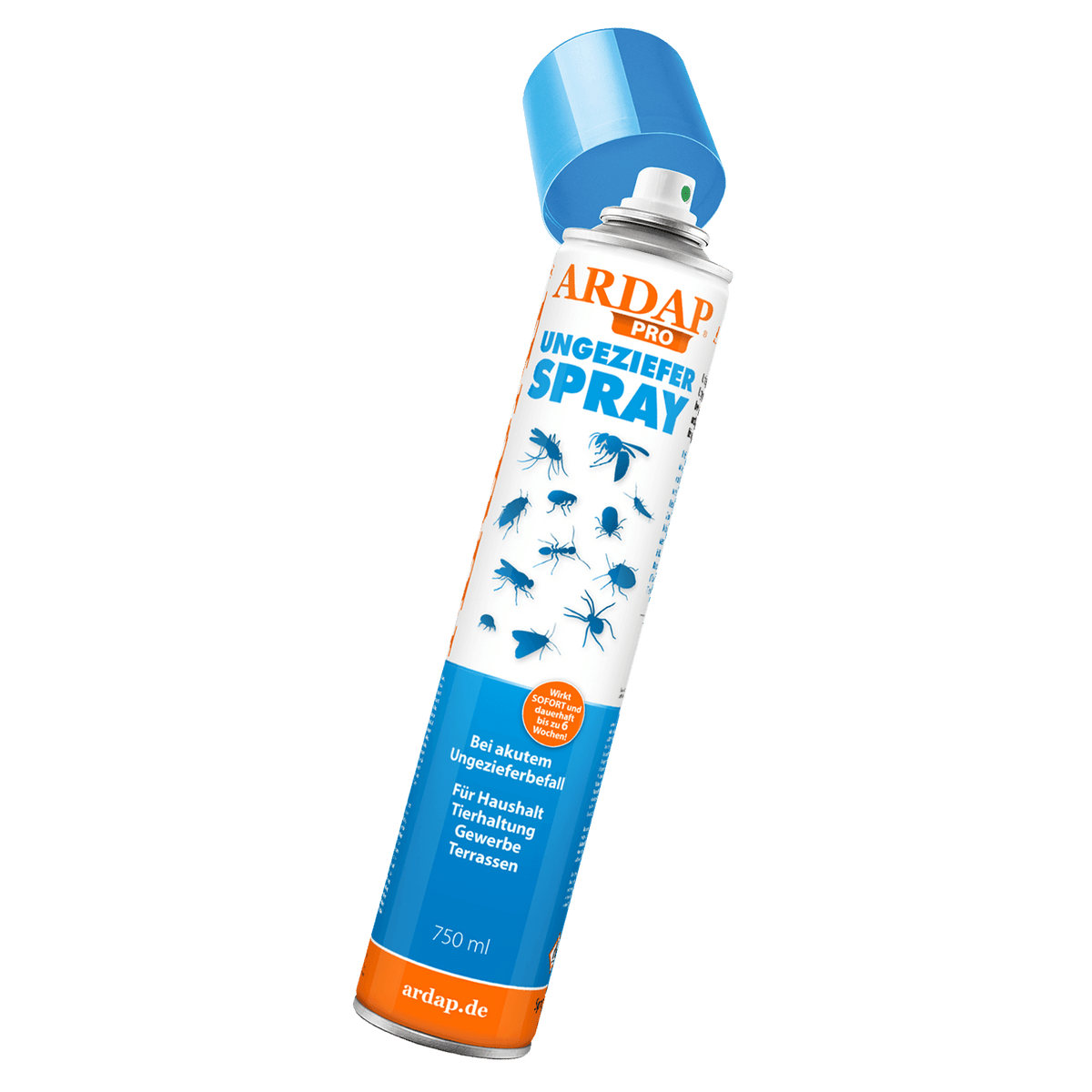
The ARDAP Pro Ungeziefer Spray is the means of choice here. One advantage is the immediate effect, which lasts up to six weeks beyond that. You turn to this product when you have to deal with a strong and acute pest infestation. This spray is also intended for targeted use on smaller areas. It is a feeding and contact insecticide that is also effective against mosquitoes, ants, silverfish, as well as many other pests .

Dry out breeding sites: Bio bins in focus
Households with a organic waste bin are often affected by blowflies. The reason for this is easy to understand: Here, the annoying insects find ideal conditions for laying eggs and breeding. Organic materials are always attractive to these pests. And for this exact reason, you should deprive the flies' breeding grounds of the nutrients they need. This is where ARDAP Organic Waste Bin Powder comes in. It works in several ways and can thus prevent an infestation of blowflies. On the one hand, it removes moisture from the organic waste bin or the material contained within. On the other hand, it stops unpleasant odors that could attract flies and other pests. You can simply sprinkle this powder into your organic waste bin, on composting systems, or even in the trash can in your home.
Conclusion
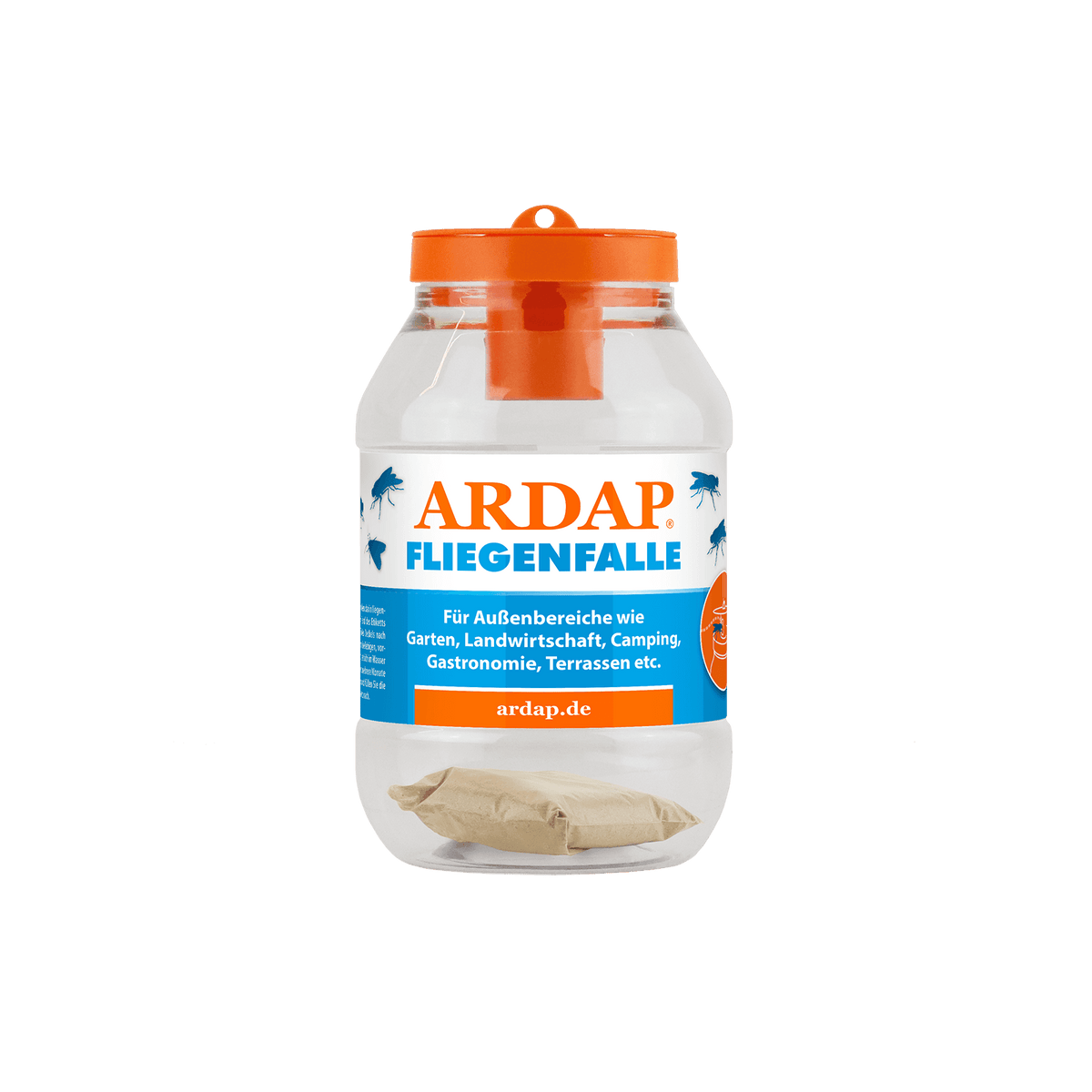
Blowflies can be effectively deterred or controlled using the various products from ARDAP. This is also absolutely necessary because blowflies are not only a nuisance but also serious hygiene and health pests that should not remain near humans. So, if you discover an infestation, you should take action immediately with the ARDAP Pro products. In this context, prevention also plays an important role. Flies are easily attracted by food scraps and are irresistibly drawn to trash cans, compost piles, and organic waste bins. This is exactly where you can take action: keep everything tightly sealed, and empty and clean it regularly. Together with the ARDAP Sprays, the ARDAP Fly Trap, and the ARDAP Organic Waste Bin Powder, you will be well-equipped to deal with blowflies.