Our expert Prof. Dr. med. vet. Norbert Mencke, a specialist in parasitology, will provide you with comprehensive and expert advice in the event of a miner fly infestation.
- Miner flies - leave a mosaic on plants
- Damage caused by the miner fly
- Preventing miner flies and deterring them in the home
- In the event of an infestation: controlling miner flies in the home
- Conclusion

Miner flies - leave a mosaic on plants
The word miner means to dig underground or tunnel beneath. This already points to one of the biggest problems with this type of fly and its tendency to attack the structure of leaves. Where miner larvae accumulate, there is often little left of the plants, and the leaves resemble a mosaic. This is the time to act quickly. We will help you reliably identify these unwanted guests and take effective measures.
How to identify a miner fly
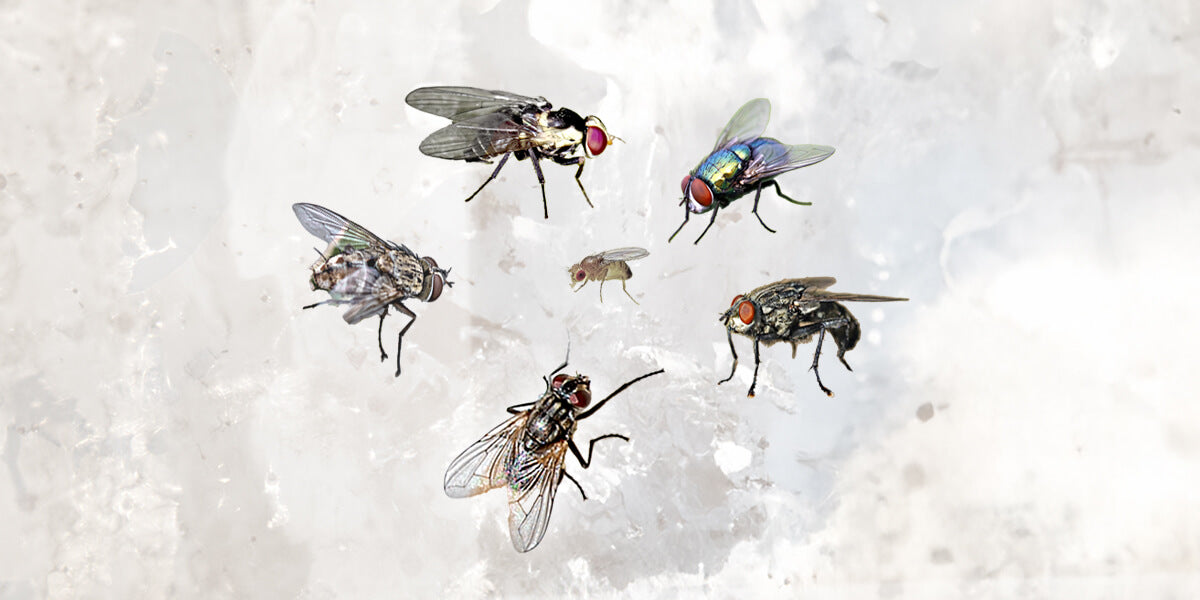
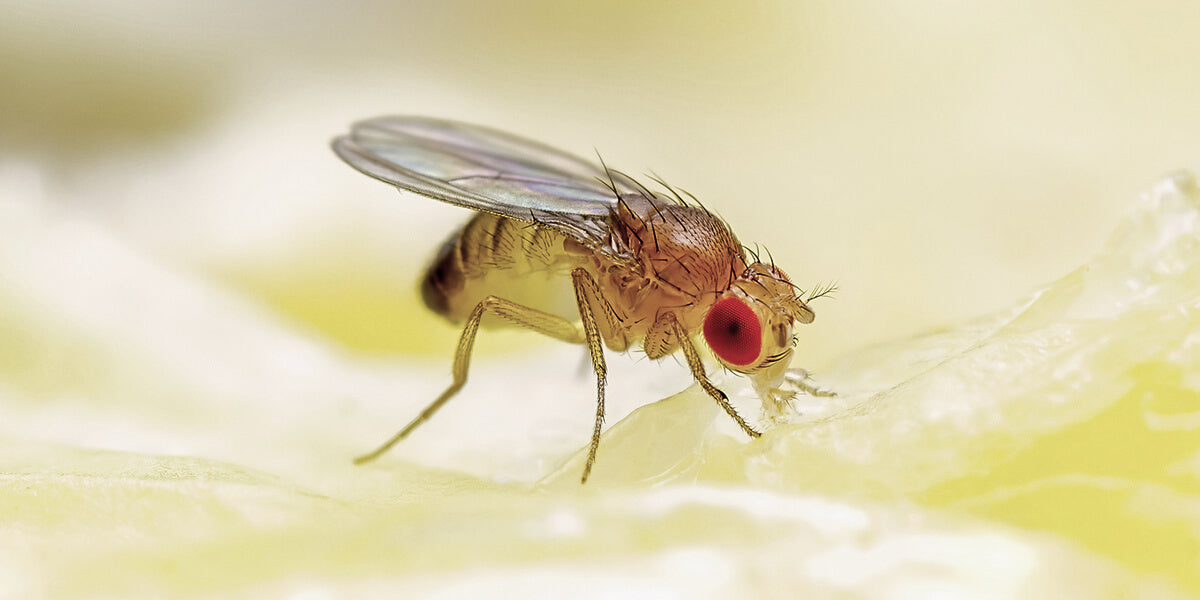
Miner flies (Agromyzidae) are tiny and often measure only two or three millimeters in length. Their body color varies between black, gray, and yellow. The flies may also appear brown. They have transparent wings that shimmer in the sun. However, the most important characteristic of these insects remains their inconspicuousness. Due to their small size, they are difficult to notice, which means that an infestation may not be detected at first. This can easily pose a risk. We often only notice the problem when significant plant damage is already visible.

Both the miner fly and the fungus gnat spread in gardens and on houseplants. It is useful to be able to tell the two species apart because their habitats overlap. The miner flies are smaller and more compact and are characterized by their stocky body shape. Fungus gnats are slightly larger, measuring up to 7 millimeters, and their bodies are slimmer. Their overall body shape appears more delicate. It is also noticeable that fungus gnats' wings appear less transparent than those of the miner fly.
| Characteristic | Miner fly | Fungus gnat |
|---|---|---|
| Class | Insects | Insects |
| Order | Diptera (true flies) | Diptera (true flies) |
| Suborder | Brachycera (short-horned flies) | Nematocera (long-horned flies) |
| Family | Agromyzidae | Nematocera (long-horned flies) |
| Species in Europe | >900, e.g. Phytomyza horticola | <600, e.g. Bradysia impatiens |
| Size | 2–3 mm | 1–7 mm |
| Body | compact, black or brown with a yellowish pattern | slender, elongated, dark gray to black |
| Legs | conspicuously long | conspicuously long |
| Wings | elongated, transparent, partly mottled | elongated, cloudy, smoky gray-black |
| Flight | straight | dancing, staggering, hovering |
| Egg-laying | 200–400 eggs per female, using an ovipositor to lay them in plant leaves | 200 eggs per female, in moist potting soil |
| Larvae | yellowish-white, transparent, live in plant leaves, mine, feed on plant sap | gray-white, black head, live in potting soil, feed on fungi on the roots |
| Damage | Damage to leaves, thereby inhibiting photosynthesis and dehydrating the plant | Feeding damage to roots, thereby causing yellow, wilting leaves on the plant |
Life cycle of the miner fly
There are approximately 350 different species of miner flies known in Central Europe, and even more than 3,000 species worldwide. Reproduction takes place by laying eggs, which has some interesting peculiarities in these insects. Miner flies have a piercing-sucking mouthpart with which they feed on plant sap. With the ovipositor, a specialized egg-laying tube, the flies pierce the plants and lay their eggs. While other fly species lay their eggs in organic materials such as animal carcasses, miner flies choose plant leaves for this purpose. After hatching, the larvae feed directly through the plant tissue, creating tunnels, hence the name. The larvae essentially mine beneath the leaf cuticle. This severely damages the plants. So it is not a pleasant experience when miner flies infest your houseplants.

How long it takes for the larvae to hatch depends on variables such as temperature and humidity. After about three to seven days, the time has come. The whitish, worm-like larvae then immediately begin to feed on the plant tissue and utilize it. The miner flies remain in the larval stage for about one to three weeks. This is followed by the pupal and adult stages with the adult miner fly (imago). In fact, these flies live for only a few weeks. Due to the large number of eggs laid by a miner fly and the short development time, they manage to spread quickly in a wide variety of environments. It is therefore necessary for you to address the problem immediately.


Feeding behavior of the miner fly and its larvae
Plant sap is the main food source for miner flies. They pierce the leaves superficially and suck out the required sap. By the way, this does not cause the damage that later becomes visible and poses a real danger to the plants. The main problem remains the egg-laying or the feeding behavior of the larvae. The puncture marks of the adult flies are hardly noticeable by comparison. However, the punctures are necessary to deliver the eggs into the leaf.
The larvae, in turn, have chewing-sucking mouthparts. With them, they slowly feed through the leaves and can cause considerable damage over time, which can even affect the health of the plant. For example, this can reduce photosynthetic performance. The plant tissue, the leaf cells, and the cell sap serve as food. At the same time, the larvae move within the leaf structure, which gives them excellent protection from external influences.
The tunnels created by the feeding activity of the larvae are also known as leaf mines. These look like winding tunnels. Over time, the larva feeds its way thicker and thicker, and the tunnels widen accordingly. Eventually, the affected plant tissue dies and discolors. It then appears yellowish or brownish. At the latest by then, there can be no doubt that miner flies have made their home in your plants. Now it is high time to take countermeasures.

Damage caused by the miner fly
Miner flies on houseplants are no joke. These insects can cause massive damage and affect the health of the plants. It is therefore important to know these harmful effects and to be able to assess the situation correctly. This helps you plan further steps and take the right measures in good time. We provide the necessary background knowledge for this.
Weakening of plants
In fact, the miner fly is one of the frequently occurring plant pests in our latitudes. The insects can considerably weaken the plant and cause serious damage to the leaf structures. The crucial point here is that it is not the adult animals, but the larvae that pose the main problem, as described above. The larvae feed through the inner leaf tissue and destroy the cell walls as well as the tissue layers. This has negative effects on the nutrient supply within the plant, because the transport of nutrients and water no longer works smoothly. A nutrient deficiency develops, which can lead to the death of the leaves. You should by no means let it get that far.
In addition to the impairment of photosynthesis and premature leaf wilting, the plant growth can also slow down. The regeneration process requires a lot of energy, which is no longer available for further growth. This is particularly problematic with young plants. Once the plant is weakened, it is also more susceptible to further pests and diseases. A miner infestation can therefore trigger a chain reaction of various harmful effects on the plants.

Miner fly as a vector of plant viruses
The feeding behavior of the miner fly is dangerous enough on its own. But it does not stop there. In addition, the miner fly acts as a vector of plant viruses. The transmission of the viruses takes place when the plant sap is ingested. To do this, the flies pierce the leaves and suck out the sap. If a plant is infected and the insects infest several plants, it can quickly lead to the transmission of the viruses from plant to plant. In this sense, miner flies act as so-called vectors or carriers.
This immediately makes it clear that the adult miner flies are also dangerous. The larvae cause the feeding damage and the adult animals transmit plant viruses. Viruses such as mosaic viruses or leaf curl viruses are common. The damage can be visual in nature and also affect the function of the plants.
Preventing miner flies and deterring them in the home
The harmful effects of the miner fly described above should make it clear that you should keep these insects away from your plants as much as possible. In this context, the crop protection nets or vegetable protection nets are among the most commonly used aids in vegetable growing. This creates a mechanical barrier against the insects. These nets are frequently used in horticulture because they prevent egg-laying and thus larval infestation. In addition, they reduce the risk of virus transmission. The nets must be well secured, and it takes considerable effort to protect all plants in this way.

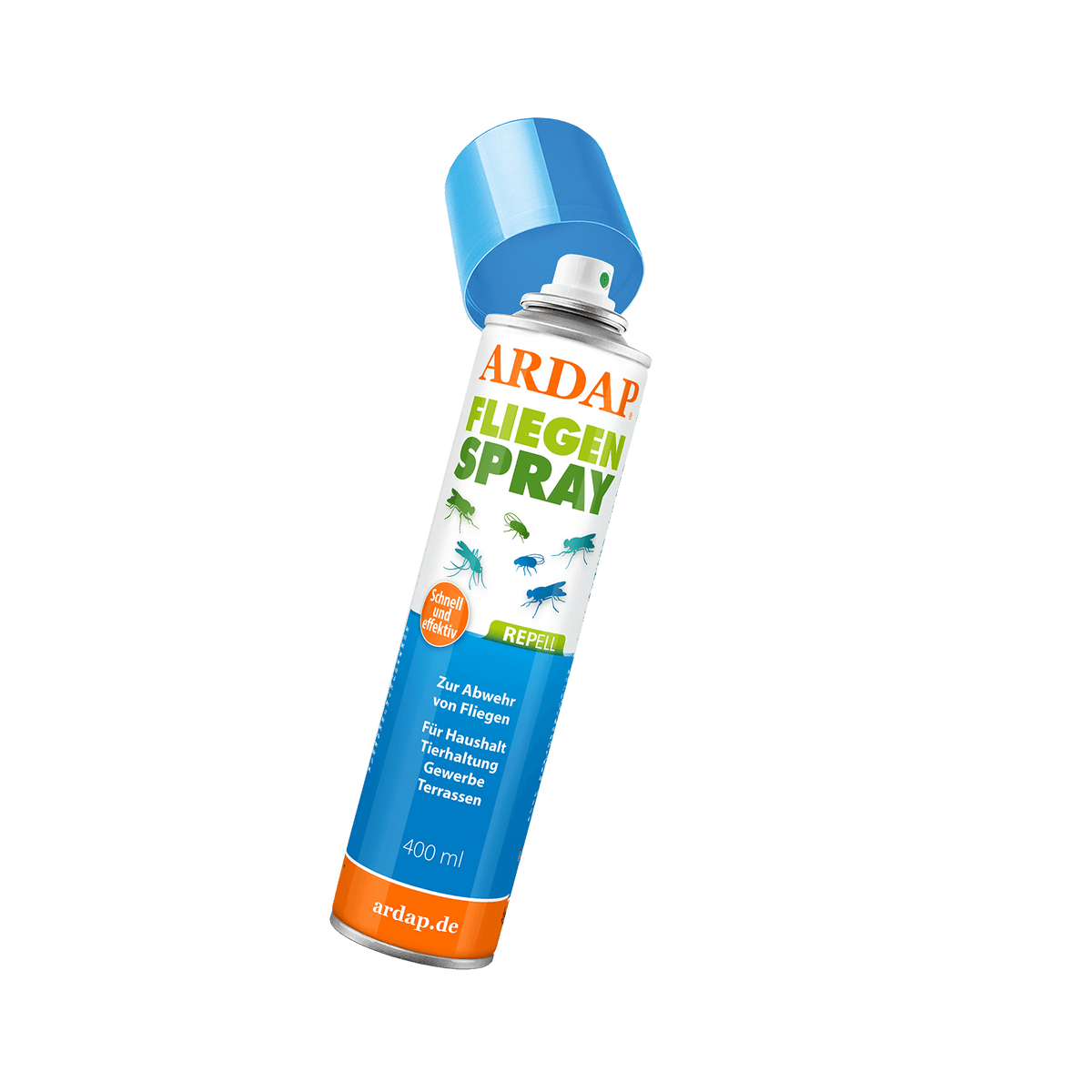
For houseplants and ornamental plants indoors, special insect sprays are effective, which can be applied quickly and with reliable results. You can work very precisely with them and, for example, spray the flower pots. The plants and the soil are not sprayed, and this is not necessary either. The ARDAP Repell Fly Spray is one of the proven defense solutions against miner flies and other insects that make a pest of your plants. The spray is highly effective and effectively keeps flies away.

In the event of an infestation: controlling miner flies in the home
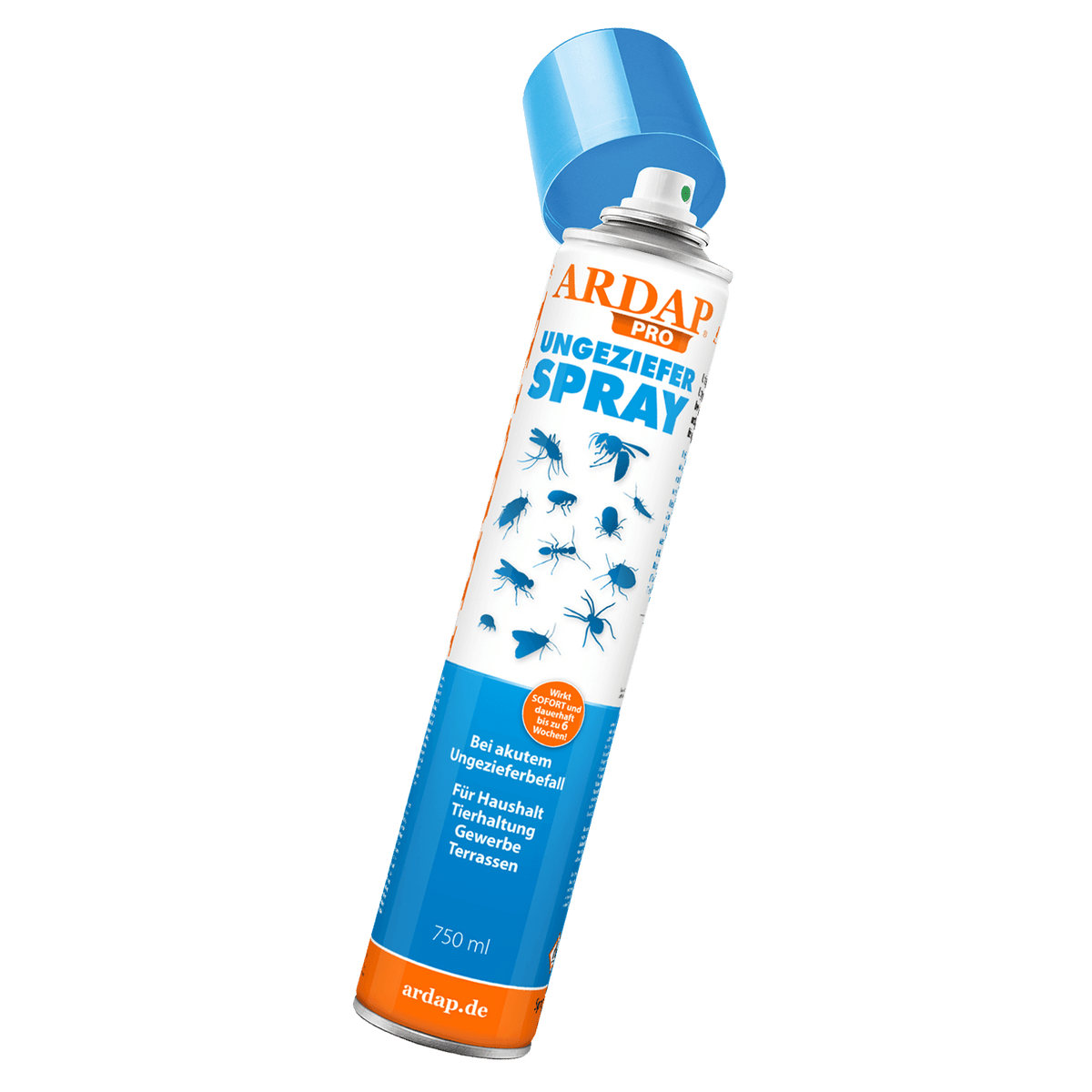
Once the leaves of a plant are infested with miner fly larvae, it is already too late. You must pluck off the affected leaves and dispose of them safely to prevent the spread. But that alone is, of course, not enough. In the next step, you must prevent a new infestation. This can happen quickly if there are already larger accumulations of the insects away from the plants. You should now control them without harming the plant. Highly effective and long-lasting pest control sprays such as the ARDAP Pro Pest Control Spray from specialist retailers are very well suited for this. It is enough to spray the spray around the flower pot and near the places where the flies are found.
If the flies come into contact with the ARDAP Pro Pest Control Spray within the active time of up to six weeks, they will be targeted and controlled. You can use the spray in the event of an acute miner fly infestation in domestic and commercial settings.
Conclusion
With miner flies, it is important to detect the infestation in good time. And that is not so easy with these tiny creatures. Look at the leaves of your houseplants regularly and also consider those that are outside on your terrace in a pot. Miner flies attack practically every leaf and their larvae feed through its structures. Thanks to ARDAP Repell, you can build up a defense that really protects. If control becomes necessary, the products of the ARDAP Pro Series are available. These effective remedies are also effective against many other fly species.