Our expert Prof. Dr. med. vet. Norbert Mencke, a specialist in veterinary parasitology, is here to help if small flies in the kitchen are causing problems.
- Unwelcome: Flies in the kitchen
- Are small flies in the kitchen dangerous?
- Getting rid of small flies in the kitchen
- No chance for small flies in the kitchen
- For the bin
- Conclusion
Unwelcome: Flies in the kitchen
The kitchen is a place where hygiene comes first. Therefore, flies have absolutely no place here. Flies in the kitchen should be prevented and, in cases of heavy infestation, dealt with using control measures .


Between the refrigerator and the trash can: What kind of flies are these in the kitchen?
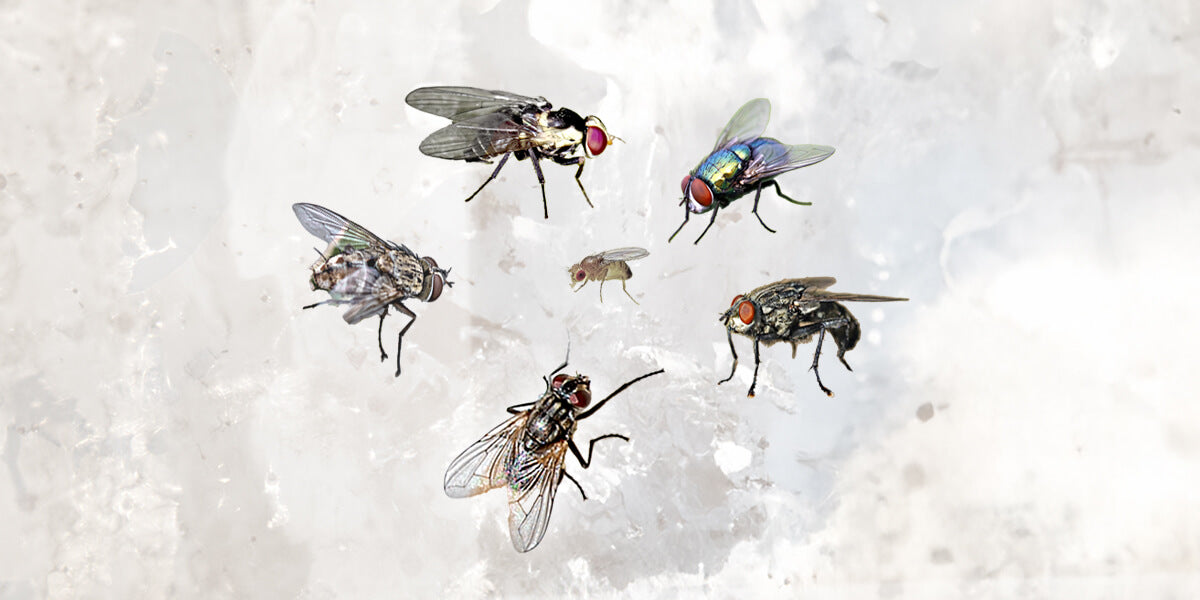
In principle, various fly species can thrive in the kitchen. Small fly species are particularly common, but larger ones that also frequently fly into our homes and apartments and can spread rapidly here are also a problem. Of course, all of these will eventually find their way into the kitchen.

Loves all food: The small housefly
The small housefly (Fannia canicularis) is attracted by the smells in the kitchen and goes there in search of food. It measures about four millimeters and is therefore one of the smaller fly species. These small flies are a nuisance and can be a problem in the kitchen from a hygiene perspective.
Not quite so small: The large housefly
The large housefly (Musca domestica) appears in the kitchen mainly during the summer months and is considered an omnivore that can feed on food such as meat, fish, and sugar. Large houseflies fly around in waste containers and can spread germs as they move between various surfaces and food in the kitchen while searching for food.

Fruit lover: The fruit fly
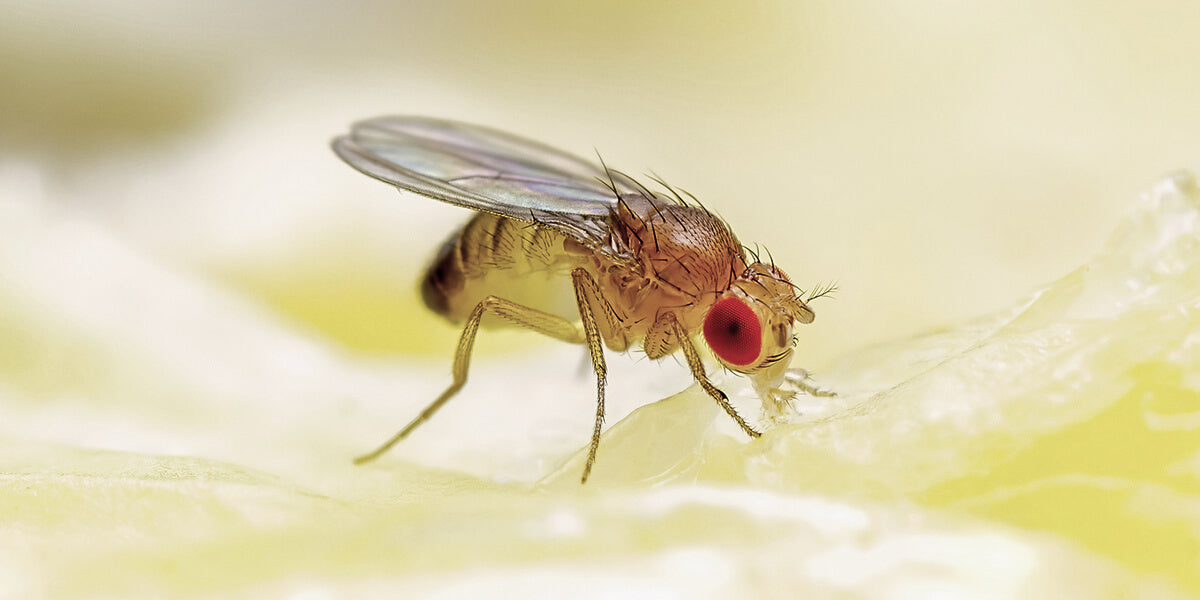
Also known as vinegar flies, fruit flies, or fungus gnats, fruit flies (Drosophila melanogaster) appear more frequently in the kitchen. Their tiny size of just a few millimeters and their rapid reproduction are noteworthy. The fine sense of smell of these insects leads them into the kitchen, where they have a particular liking for fruit and vegetables or fruit juices.

Flies on plants: The fungus gnat
As the name suggests, fungus gnats (Sciaridae) are not flies at all but belong to the classic plant pests. They like to fly into the kitchen, especially if there are herb pots here. Their interest is mainly in the potting soil, where they lay their eggs. The larvae then feed on the fine plant roots. In terms of hygiene, however, fungus gnats pose a low risk.

Also a plant lover: The leaf miner fly
With leaf miner flies (Agromyzidae), the real danger comes from the larvae, which nest invisibly inside the leaves. As they feed through the plant tissue, they leave behind their typical damage pattern: fine, winding feeding tunnels that run through the leaf tissue as light-colored "mines". These winding "mines" not only destroy the leaf structure but also impair the plants' vital photosynthesis. Young plants suffer particularly from the infestation. A massive outbreak of the pests can lead to premature leaf drop, growth disorders, and in the worst case, the death of the entire plant. The wounds created by the feeding tunnels also become dangerous entry points for fungal diseases, which further damage the already weakened plants. This double danger – direct damage from the larvae and increased susceptibility to subsequent diseases – makes leaf miner flies particularly insidious plant pests.
Getting rid of small flies in the kitchen
Have you had enough of the small flies in the kitchen? We will tell you what to do now.
Clear away: Potential food sources
Open food is a potential breeding and feeding ground for flies. It is therefore better to seal these tightly, for example in cans. In addition, trash cans and organic waste should be emptied and cleaned regularly.
Spray favorite landing spots
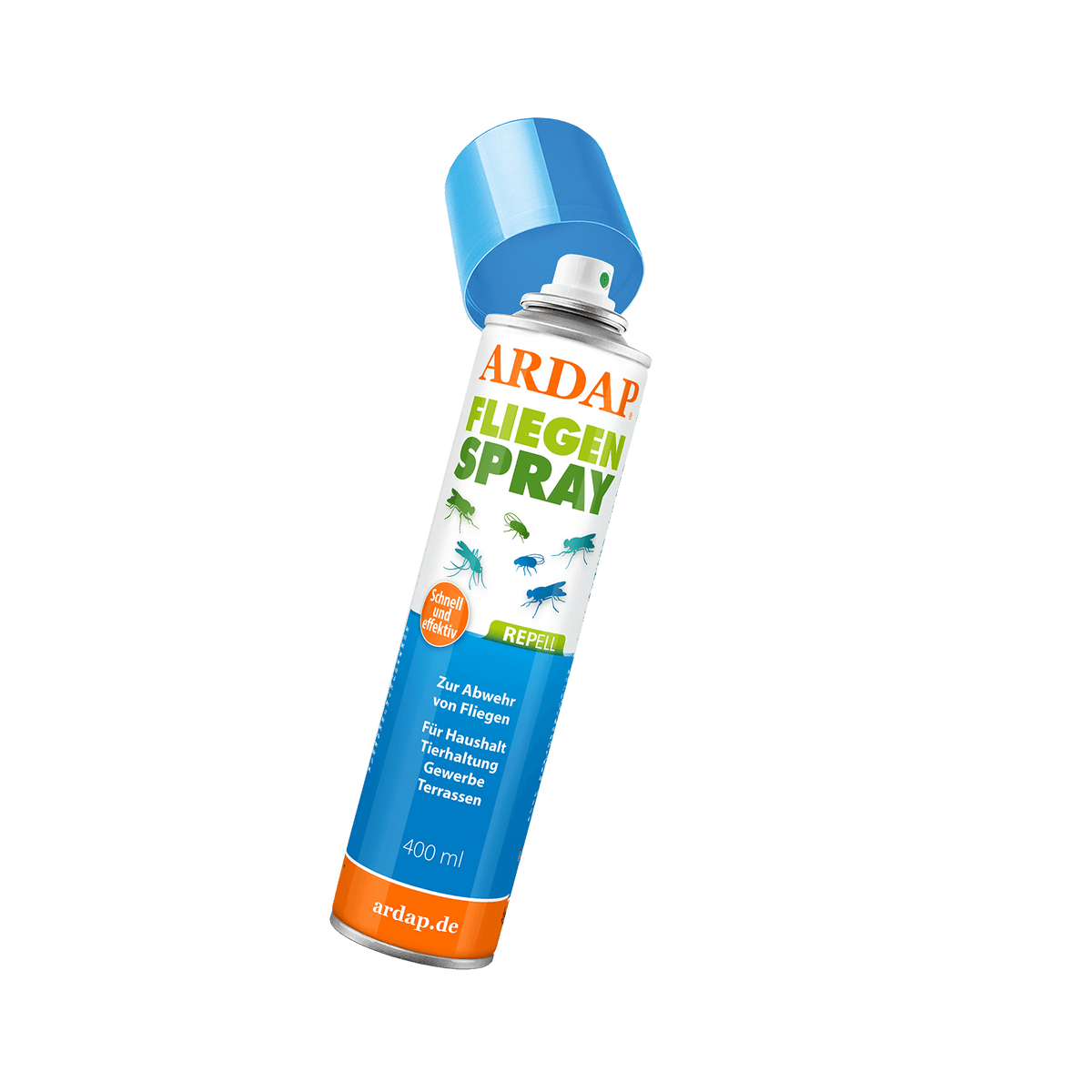
Flies often enter the kitchen through windows and doors and like to linger on window and door frames. It is therefore useful to spray these areas with a repellent. The ARDAP Repell Fly Spray is recommended here. The edges of flower pots or the area around the flower pot can also be sprayed with it to protect your kitchen herbs from plant-damaging flies. If your trash cans do not have a lid, it is advisable to also spray the edges and rims of the waste containers.
No chance for small flies in the kitchen
Are small flies in the kitchen ruining your enjoyment of cooking? We know the effective remedies against infestations with the flying pests.

Traps for fruit flies
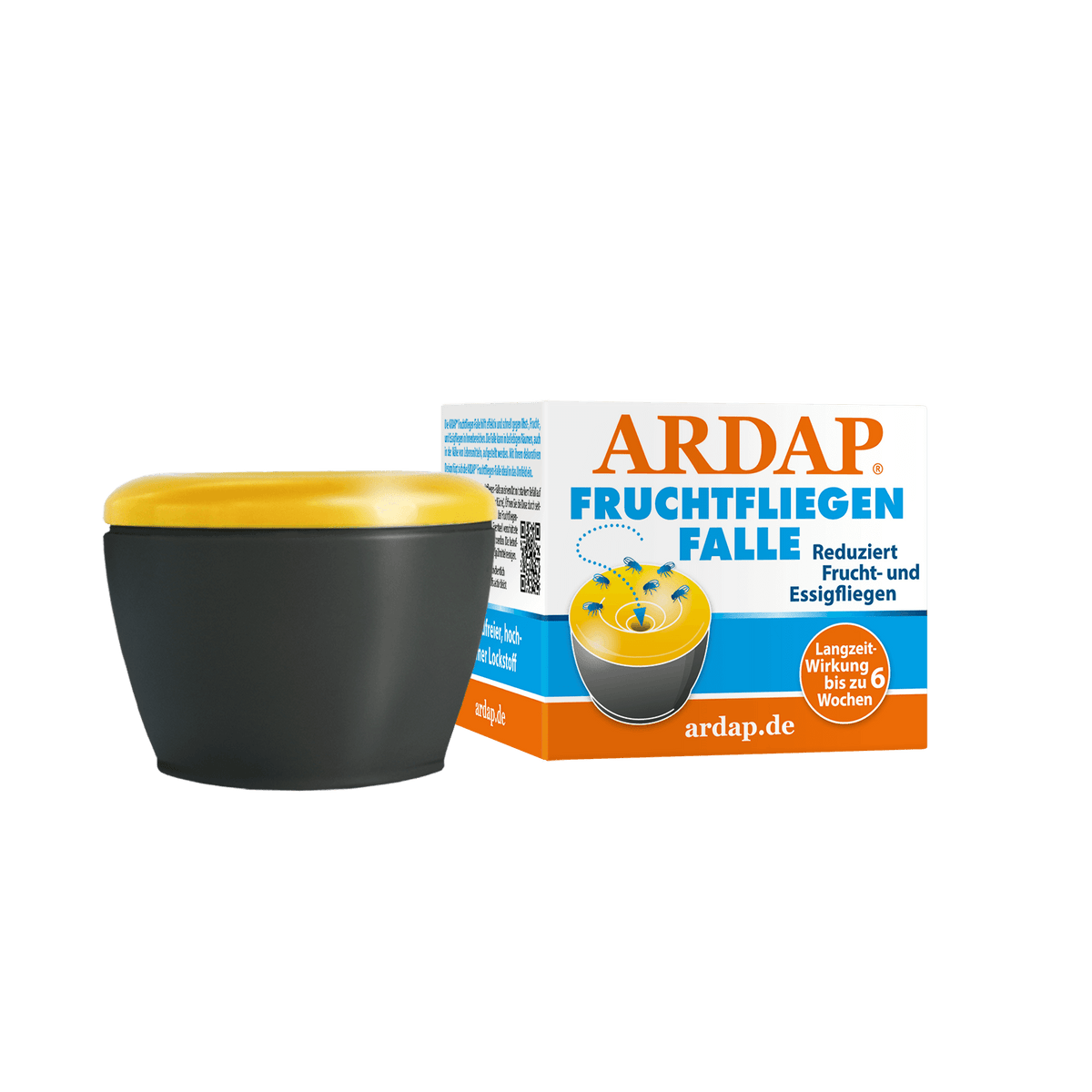
Anyone who wants to get rid of fruit flies in the kitchen should opt for a special trap. This makes an especially effective control possible, which is also much more hygienic than, for example, swatting flies. And that is the deciding argument in the kitchen. The ARDAP Fruit Fly Trap can be practically placed near fruit baskets in any room and scores with its highly effective attractant, which lasts up to 6 weeks. The fruit flies are lured into the trap by the attractant, but then cannot get out of the trap.

A popular all-rounder for pest infestations
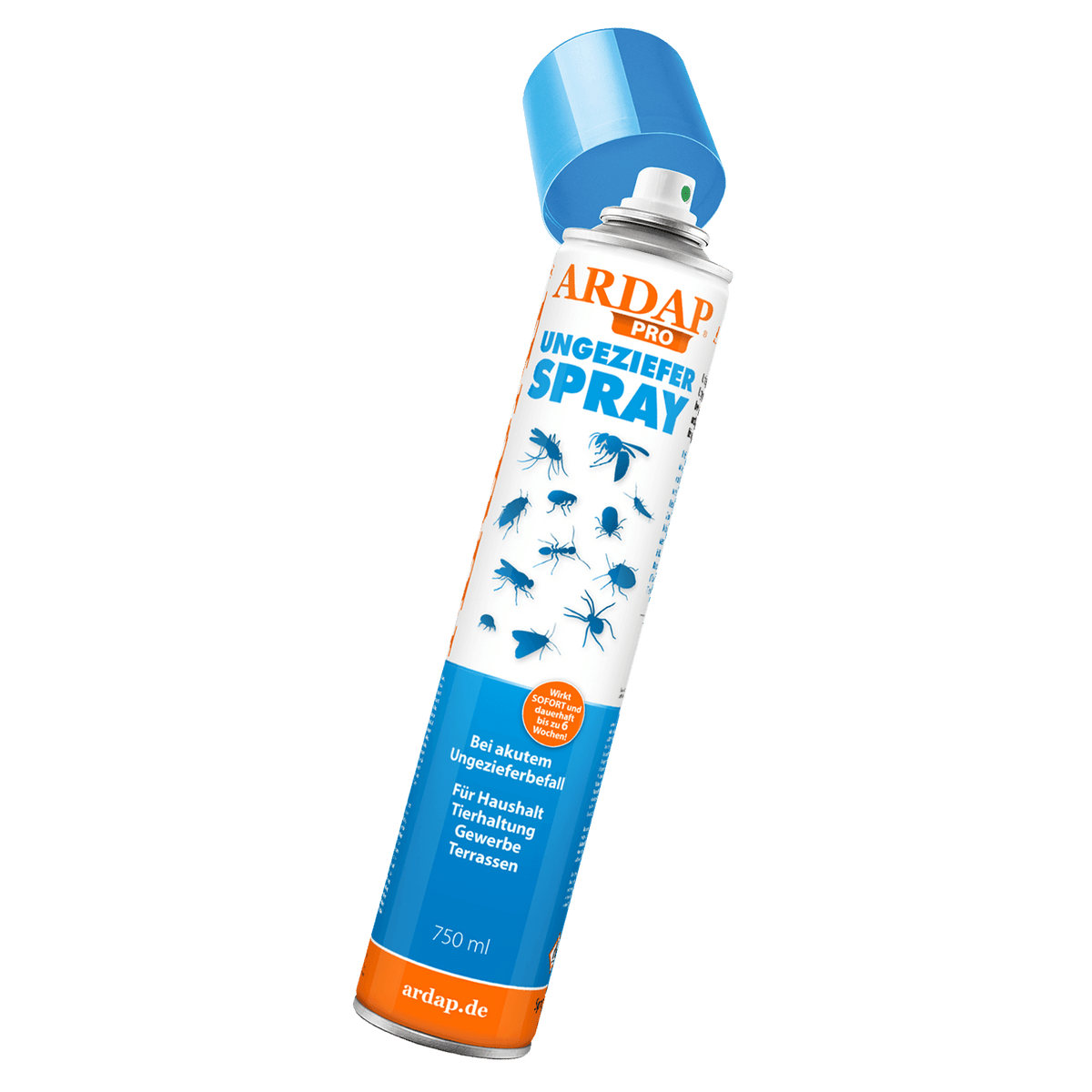
Flies in the kitchen can also be controlled long-term by spraying the proven ARDAP Pro Pest Control Spray on all contact points with which the fly comes into contact, e.g. window sills, window and door frames, or around flower pots. The pest control spray works immediately and for up to 6 weeks against flies of all kinds and other pests such as silverfish or ants, which can also occur in the kitchen.
For the bin
Since trash cans and also small organic waste bins are often integrated into the kitchen, you must be particularly careful. They contain organic material, which is particularly interesting for many flies. In addition, the moisture that develops in them attracts the insects. You can specifically remove this moisture with the ARDAP Organic Waste Bin Powder, which reduces the likelihood that flies will establish breeding grounds here.

3 in 1: Stops unpleasant odors
Can prevent maggot and fly infestations
Removes moisture from waste
With a pleasant citrus scent
Go to productConclusion
Small flies in the kitchen are a real problem. They are a nuisance and can, depending on the species, spread germs. In this way, they contribute to worsening hygiene and endangering health. And that is something we definitely cannot afford in the kitchen. If you turn to the proven ARDAP Products, you can deal confidently with any fly infestation.