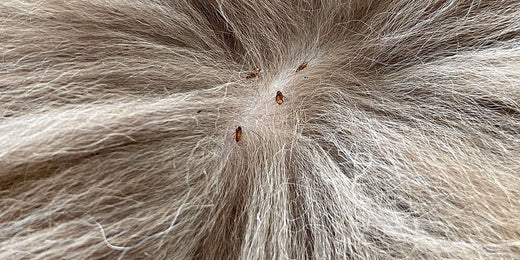
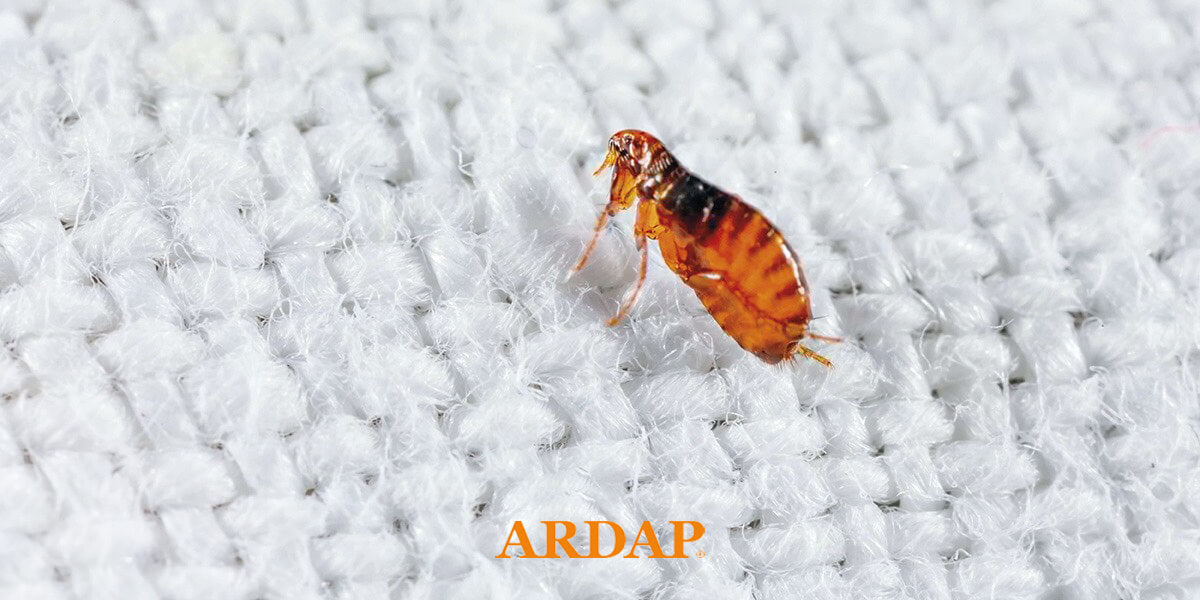
In collaboration with our veterinarian Prof. Dr. med. vet. Norbert Mencke, a specialist in veterinary parasitology, we clarify misconceptions about and the effectiveness of home remedies for fleas in dogs.
- Your dog has fleas: What home remedies are available for fleas in dogs?
- Preventative home remedies against fleas in dogs
- Home remedies for environmental treatment
- How safe and reliable are home remedies against fleas really?

Your dog has fleas: What home remedies are available for fleas in dogs?
No matter how your dog gets fleas: fleas are not only unpleasant and annoying for dogs, but can also pose a health risk. From allergic reactions to flea saliva (flea saliva allergy) to wounds and inflammation of flea bites caused by invading bacteria - flea infestation should ideally be prevented.
But if a flea infestation has already crept in because no reliable preventative measures were taken, the question arises how to get rid of the fleas on the dog. Perhaps you are dealing with a flea infestation for the first time and are unsure what to do. Often, this is when the search for home remedies begins, which are supposed to help get rid of the fleas on the dog. The list of alleged home remedies to apply to the animal's fur is long. There are even whole recipes for mixing your own sprays available online and in various forums. But what can these home remedies really do and what misconceptions may there be?
Coconut oil against fleas in dogs
Coconut oil is often touted as a promising home remedy against fleas in dogs and fleas in cats. It contains lauric acid, which is attributed with antimicrobial properties that can supposedly penetrate the outer shell of the parasites. However, there is no scientific evidence that coconut oil is actually effective against fleas. In fact, the effectiveness of coconut oil alone or in combination with other home remedies is not confirmed. If your dog suffers from a flea infestation, you will not get rid of the fleas with coconut oil alone. Coconut oil can have a skin-care benefit for your dog, but it does not help with a flea infestation.
Essential oils for flea infestations?
Various recipes for homemade remedies for flea infestations rely on essential oils. The different recipes use tea tree oil, eucalyptus oil, and even geranium oil. While we humans use oils such as eucalyptus oil for their soothing effects, they are supposed to make the fleas leave the dog alone. However, the actual effectiveness of essential oils in the event of a flea infestation has not been proven.
Furthermore, such home remedies with essential oils should be used with caution. As always, the saying applies to such home remedies as well: the dose makes the poison. Depending on how much oil you use, it can cause irritation of the mucous membranes in your pet.

Black seed oil
Black seed oil is used in dogs for a variety of reasons. These include the treatment of allergies and inflammation or the strengthening of the immune system. Black seed oil can be used both externally, by massaging it into the skin and fur, and as a food supplement. When administering black seed oil to dog food, you must take into account any possible intolerances in your dog. Regardless of any intolerances, the same applies to black seed oil: you will not get rid of the flea infestation on the animal with black seed oil alone. As a pet owner, you should be particularly careful if cats also live in the household. Black seed oil can be toxic to cats. Therefore, you should definitely avoid black seed oil in a household with both a dog and a cat.
Neem oil
Neem oil, also known as neem oil, is often compared in its effects to black seed oil. It is attributed with antibacterial, pain-relieving, and anti-inflammatory properties. Extracted from the seeds of the neem tree, the oil contains margosa extract, which is said to disrupt the molting metabolism of parasites. A frequently mentioned ingredient is azadirachtin, which is considered potentially flea-repellent. Unlike black seed oil, neem oil must not be used in food but exclusively externally.
Rosemary as a home remedy against fleas
Rosemary is said to be the oldest home remedy in the fight against fleas. Widely spread recipes call for rosemary sprigs to be boiled in several liters of water and then sprayed on the dog's fur with a spray bottle. After a short exposure time, the remedy is then supposed to be washed out. Similar to the other home remedies, however, a spray made from rosemary cannot deliver on its promises. A flea infestation cannot be fought with home remedies containing rosemary. While showering may wash away individual fleas on the animal's fur, the actual flea infestation is far from over and will continue to spread untreated.
Home remedies against fleas with lemon
Lemon is also said to help as a homemade spray in the fight against fleas. For this, lemons are cut into small pieces and boiled in water. After the lemon water has cooled, the spray is supposed to be filled into a spray bottle and applied to the dog's fur. But: whether it is a spray with rosemary, essential oils, or lemon, none of these homemade sprays can make the fleas leave your dog alone.
As understandable as it may be to want to fight flea infestations with home remedies, none of the alleged home remedies has been proven to help effectively treat a flea infestation.

Preventative home remedies against fleas in dogs
Rosemary, black seed oil, lemon, etc. are also often considered when it comes to finding remedies that can prevent a flea infestation in dogs, so that an infestation does not occur in the first place. However, even in terms of prevention, home remedies are not effective.
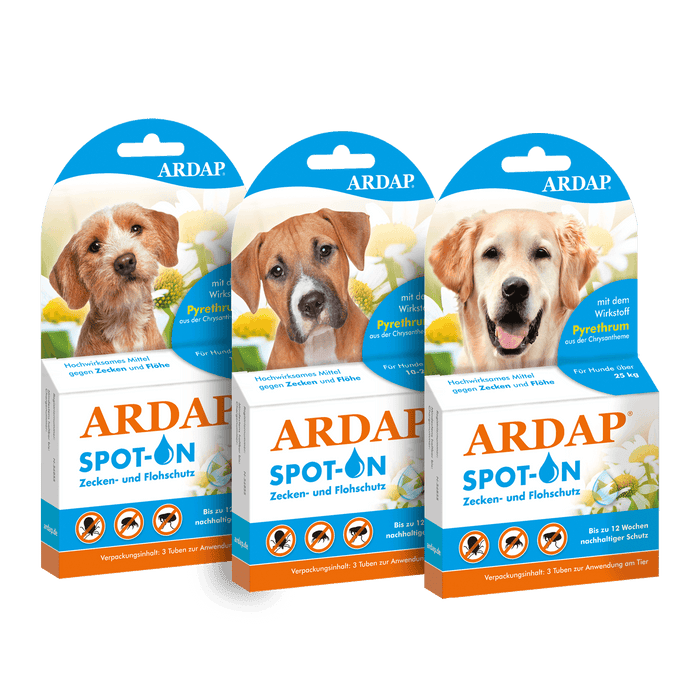
In principle, it is exactly the right thing to want to find a preventative method. But then you need reliably effective remedies. Suitable for prevention are remedies such as the ARDAP Flea Spot-On for Dogs or the ARDAP Flea Collar for Dogs. Both remedies use pyrethrum from chrysanthemum flowers and offer several weeks of protection against fleas. The flea spot-on contains three tubes with 4 weeks of active time each and can thus protect for up to 12 weeks. The flea collar for dogs offers up to 4 months of protection against fleas.

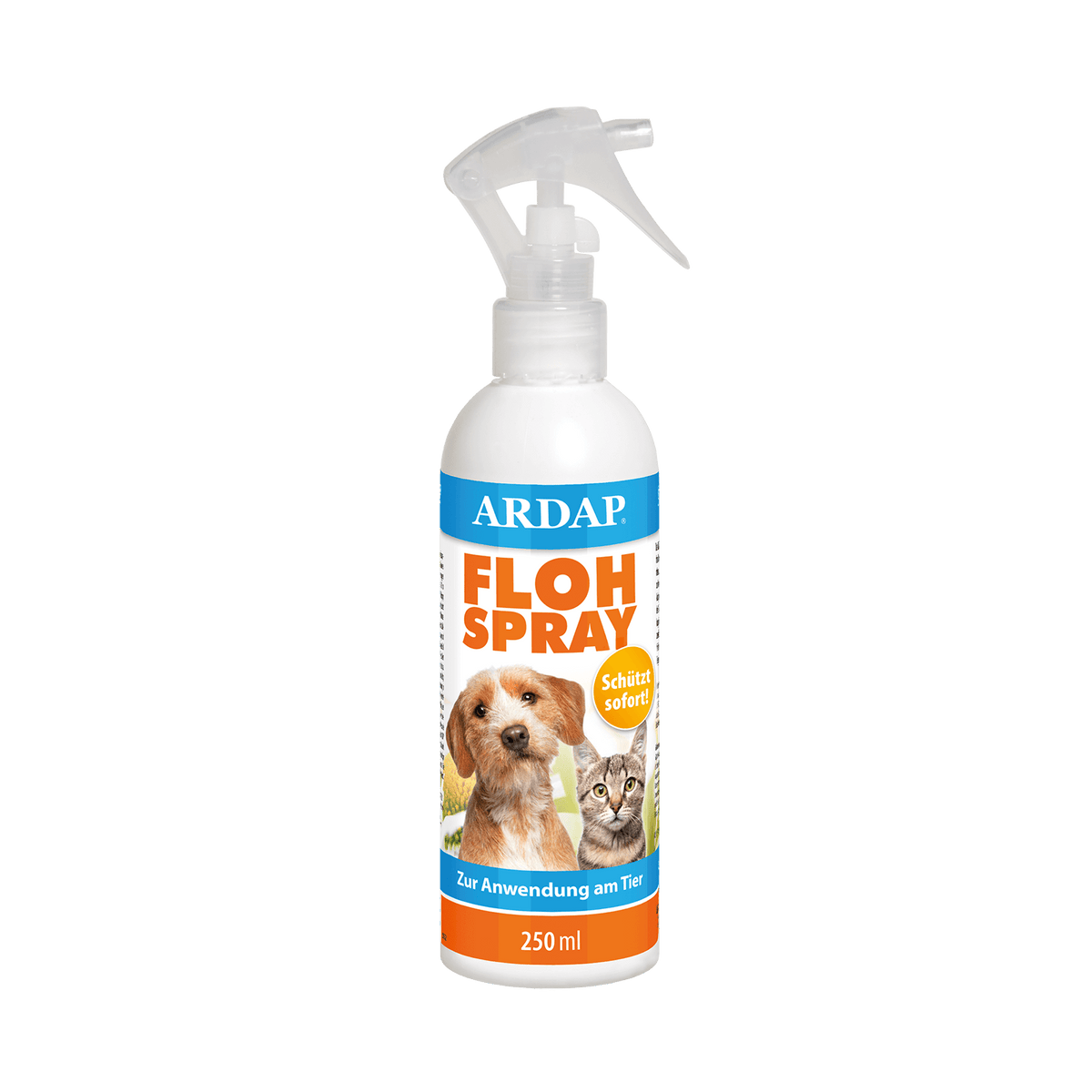
To additionally protect your dog, for example before a walk in the woods or a visit to the dog park, you can use the flea powder or the flea spray in addition to the spot-on or collar. These remedies also work reliably against fleas and can be applied ideally to the body areas preferred by fleas, such as the back, the base of the tail, the belly, and the inner thighs.
With the flea shampoo, you not only ensure a hygienic coat for your dog, but also effectively protect your dog from fleas at the same time. The repellent effect lasts up to one week. After washing, an additional treatment with a spot-on or collar is recommended.

Home remedies for environmental treatment
Once a flea infestation has established itself, as a dog owner, you should always also remember to treat the flea infestation in the environment. Because the fact is that around 95% of the flea population is not in the animal's fur, but in the animal's environment. Flea eggs fall out of the animal's fur and thus spread into every nook and cranny, into textiles and upholstered furniture. Even for environmental treatment, home remedy recipes keep popping up.
Homemade room and furniture sprays
Homemade room and furniture sprays against fleas also often rely on remedies such as lemon, rosemary, or dishwashing liquid and apple cider vinegar. But a flea is a real survivor. Fleas can, for example, survive for up to 40 days without a blood meal, or endure for up to 6 months in the pupal stage, during which they wait for a suitable host. Home remedies such as vinegar or dishwashing liquid cannot fight a flea infestation in environmental treatment.
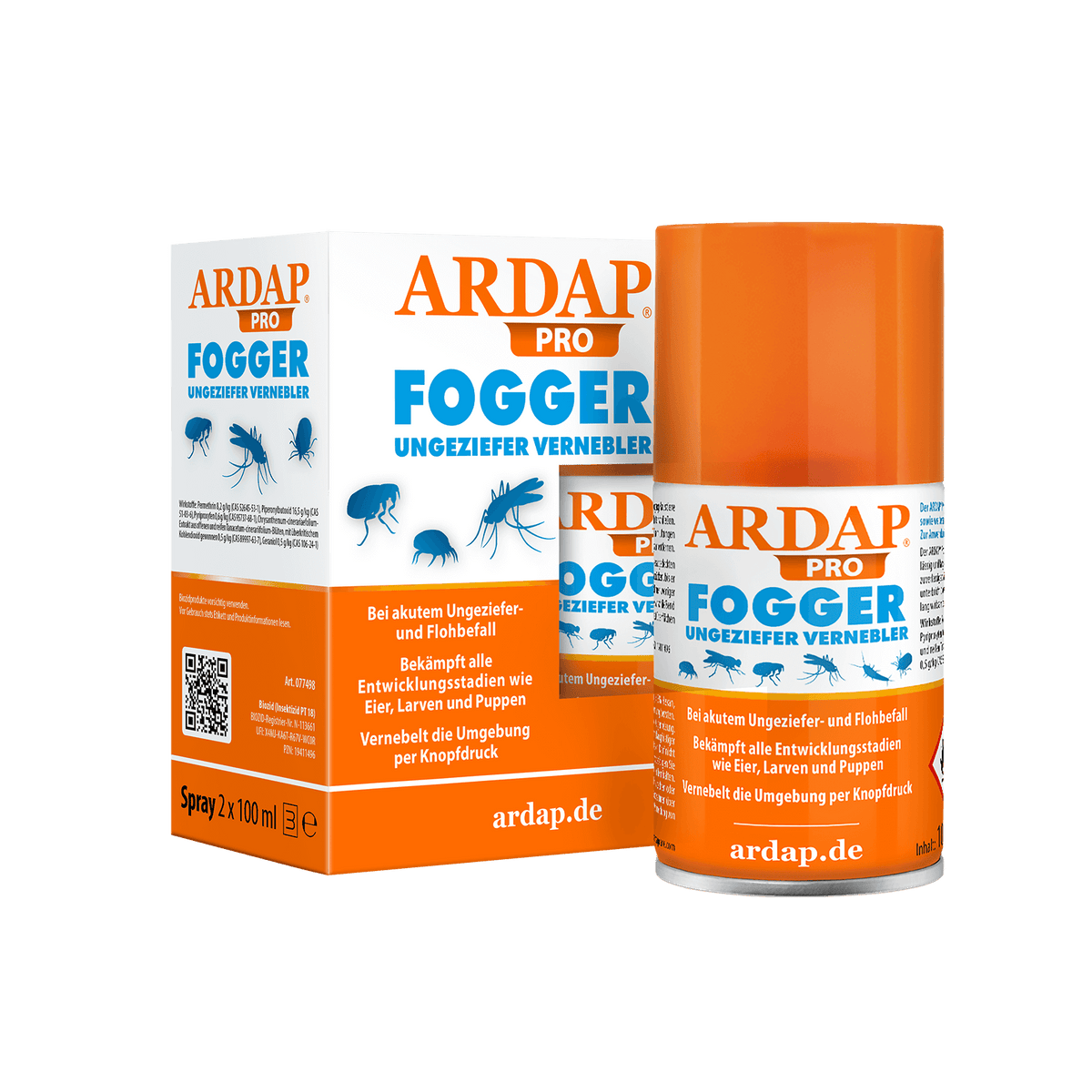
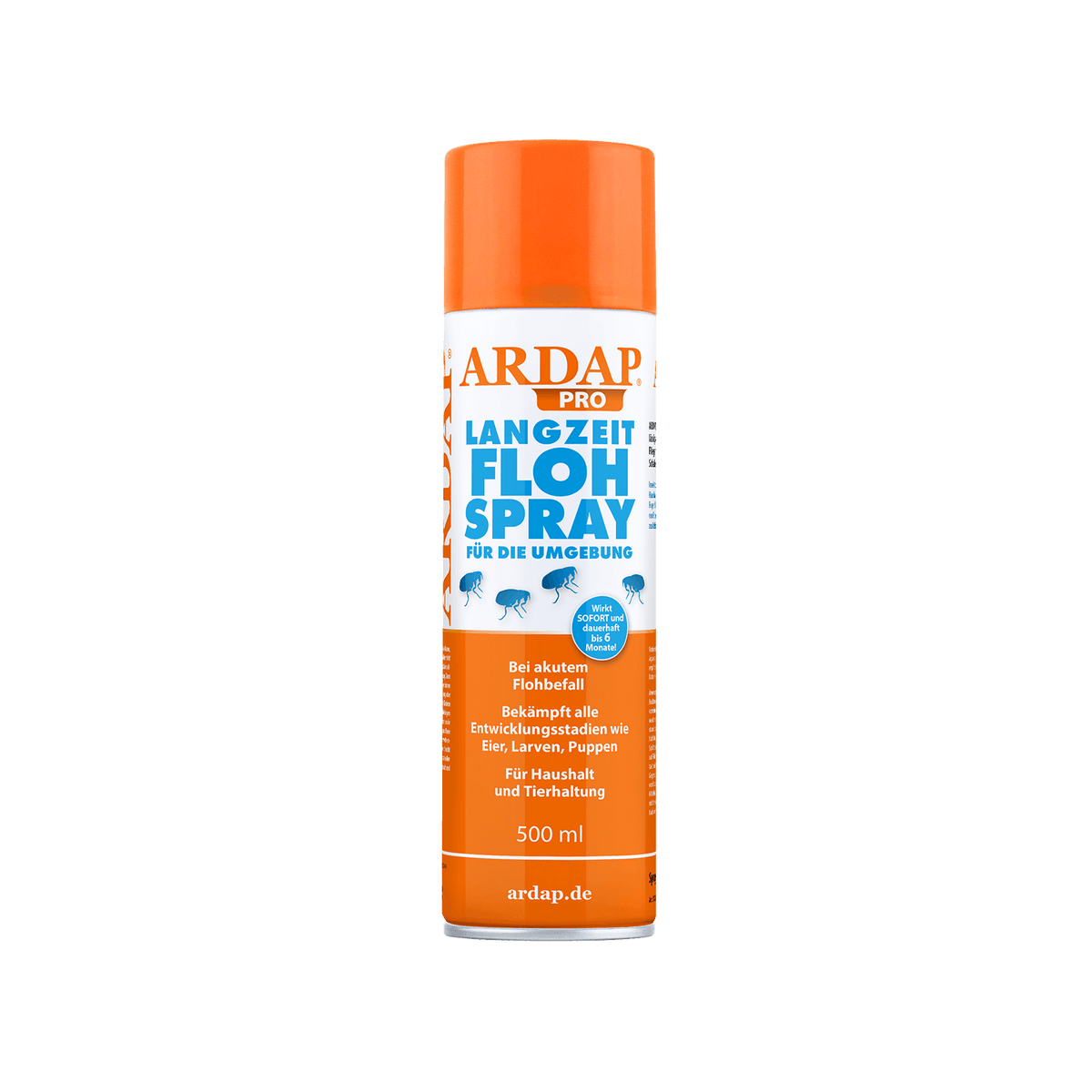
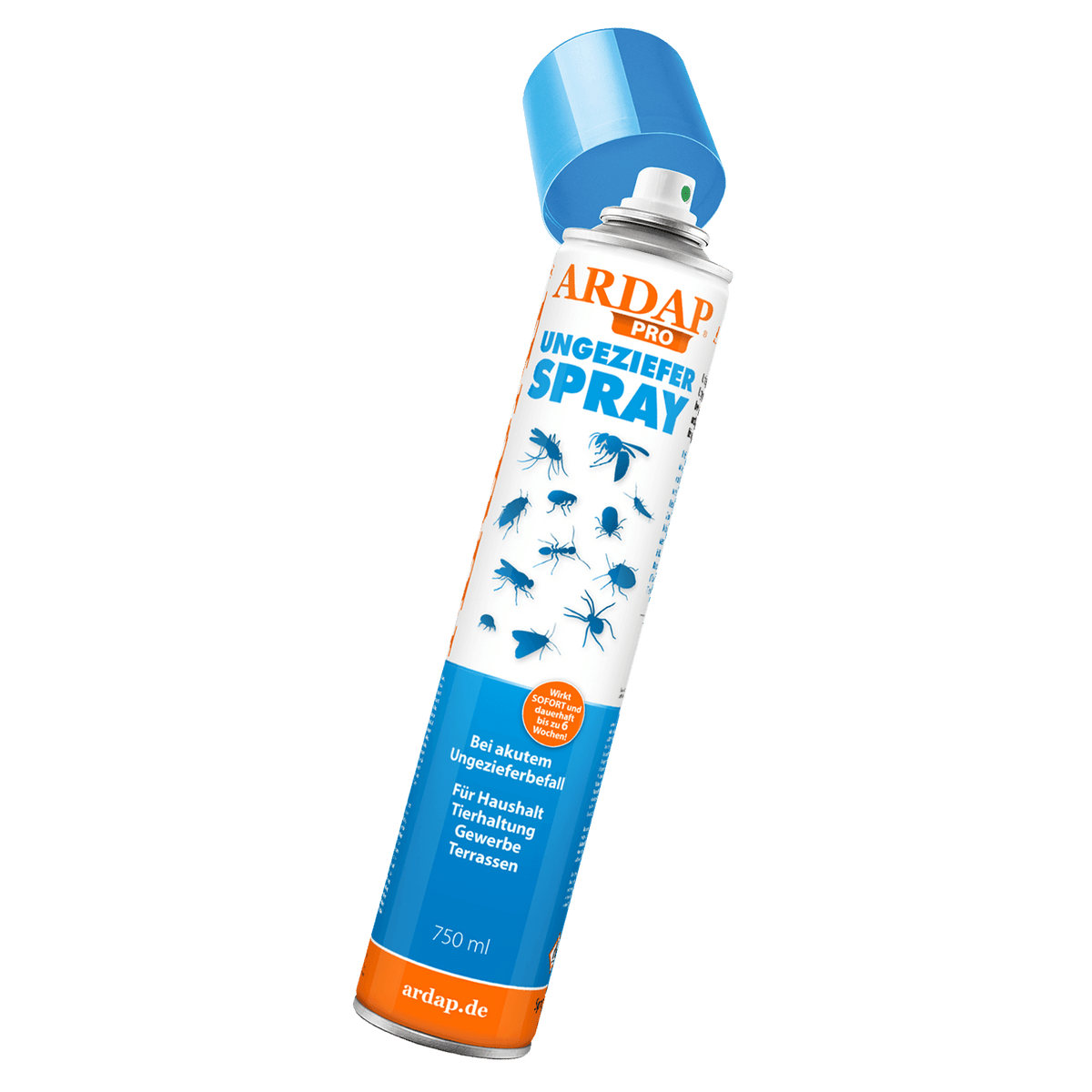
If you have discovered a flea infestation, then as part of an integrated treatment, you should on the one hand rely on reliably repellent remedies for application on the animal and on the other hand treat the environment with suitable remedies such as the Pro Flea Fogger and the Pro Long-term Spray for the Environment. Both the fogger and the long-term spray contain a growth inhibitor and work immediately and for up to 6 months against the developmental stages of the flea. For the prevention of a flea infestation in the environment, e.g. on blankets, carpets, dog beds, etc. The Repell Flea Spray with pyrethrum from chrysanthemum flowers is an option.
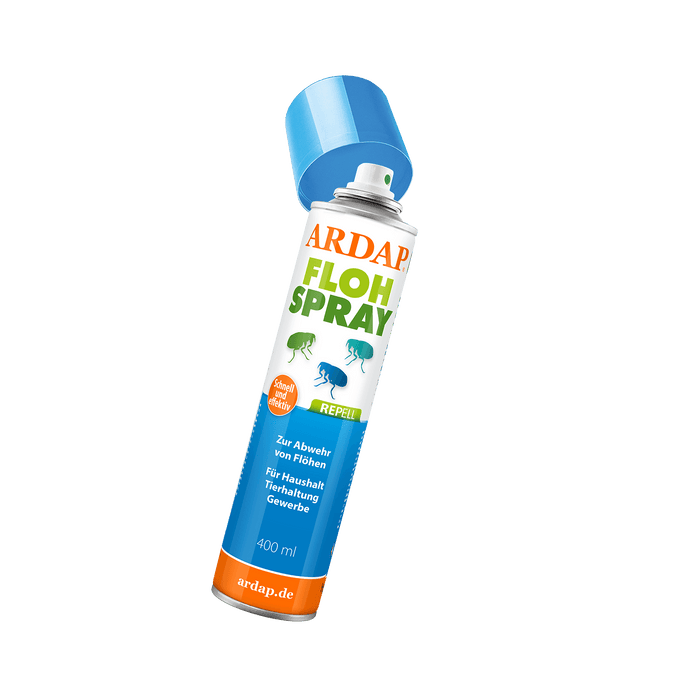
The ARDAP Repell Flea Spray offers a fast and reliable defense against fleas based on pyrethrum from the chrysanthemum. The spray can be applied specifically to areas such as scratching posts, upholstery, or blankets.
To the productHow safe and reliable are home remedies against fleas really?
There are some misconceptions surrounding home remedies against fleas in dogs. Many dog owners fail in their attempt to fight a flea infestation with home remedies, and in doing so, they put their dog's health at risk. This can happen on the one hand due to intolerances or the incorrect application of the remedies, and on the other hand because the flea infestation remains untreated and continues to spread. The spread of a flea infestation must by no means be underestimated. The flea population develops rapidly unnoticed, so in 4 weeks up to 250,000 fleas can be created. Therefore, in the event of a flea infestation, always rely on a comprehensive treatment consisting of environmental treatment and the application of repellent remedies on the dog. This is how you can achieve a fast and effective treatment of the flea infestation.