- A Silverfish Rarely Comes Alone
- Do Silverfish Live in Nests?
- Preventing Silverfish Nests
- No Compromises: Effectively Combat Aggregations
A Silverfish Rarely Comes Alone
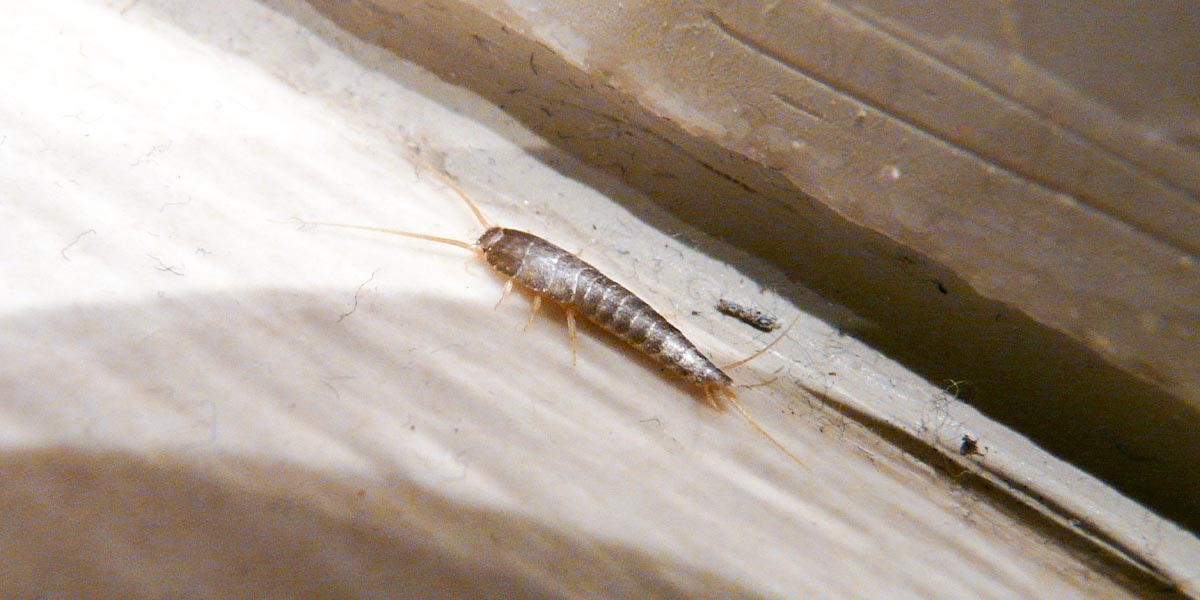
Silverfish (Lepisma saccharina) in your home are never there by chance. The presence of these insects is more likely an indication of optimal living conditions, often due to high humidity in the rooms or even structural damage in your home. This probably raises the question of how to find the silverfish nest. Generally, the insects live in damp, warm, and dark areas, which is why they are often found in bathrooms, kitchens, or basements. Behind baseboards, in cracks, or in leaky joints, silverfish find ideal hiding places. Here they form so-called aggregations, i.e., clusters where the insects gather near warmth and moisture to increase their chances of survival and reproduce.

Individual Specimens - an Early Sign of Infestation
Finding a single silverfish does not immediately indicate a large cluster, but it can be an early sign of infestation. Since the insects are nocturnal, they retreat to hiding places during the day and only become active at night. If you suddenly turn on the light at night and see several silverfish fleeing in different directions, you have exposed a population in your home. Therefore, suddenly turning on the light is also an initial way to detect an infestation.
Do Silverfish Disappear on Their Own?
Silverfish do not disappear on their own if the conditions in your home environment remain unchanged. The insects love environments with high humidity and temperatures between 20 and 30 degrees Celsius. To make life as uncomfortable as possible for silverfish, you should reduce the humidity. You can achieve this by regular cross-ventilation, using dehumidifiers, and repairing any necessary water leaks. Humidity below 50 percent is unpleasant for silverfish. In addition, special repellent products should be used. In cases of severe and persistent infestation, the use of effective products for control of the population is also recommended.

Works quickly and effectively
Repels silverfish
For kitchens, utility rooms, bathrooms, and basements
Go to productDo Silverfish Live in Nests?
Even though it is casually said that you should find the silverfish nest, it is important to know: Silverfish do not build nests, as is the case with ants or wasps, for example. Instead, the insects form so-called aggregations. This means that groups of insects gather in places that offer them protection and optimal conditions. These hiding places are usually dark, damp, and difficult to access. They are often found in cracks in walls, gaps in the floor, or under baseboards. Defective pipes and damp areas in bathrooms or kitchens are also popular hiding places, as the insects find both protection and moisture there – and thus ideal living conditions for unrestricted reproduction.
What Are Aggregations?
The term aggregation refers to clusters of silverfish that form in damp, dark, and protected places. The insects do not gather due to social interactions, but because they prefer the same environmental conditions. During the day, the silverfish remain in their hiding places to protect themselves from potential dangers. These hiding places are often well concealed and difficult to access. The silverfish's preference for dark niches is also due to their high sensitivity to dryness and light.
During the night, the insects leave their hiding places in search of food. Their preferred food sources are algae, mold, and dust mites, as well as starch- and carbohydrate-containing substances. Their particular preference for mold makes silverfish an indicator of an unhealthy indoor climate in their home environment or even the presence of concealed structural damage. Aggregations allow silverfish to develop and reproduce undisturbed, which can cause an infestation to grow unnoticed very quickly.

Where Do Silverfish Lay Their Eggs?
Female silverfish prefer to lay their eggs in damp, protected places. These hiding places offer the best protection from external influences and predators – and also have the appropriate humidity for the development of the eggs. Typical laying sites are cracks and joints in walls or floors and near water sources such as pipes or drains. The ideal temperature conditions for the growth of the eggs are between 25 °C and 30 °C.

Depending on the ambient temperature, it takes about two to eight weeks for the young to hatch. After hatching, they go through several molting stages. Interestingly, silverfish can live for up to eight years. During this time, the insects lay numerous eggs, which can lead to rapid reproduction.
Recognizing Silverfish Larvae
The larvae of silverfish also remain in the hiding places where the females have laid their eggs. This is why they are also very rarely seen. At these hiding places, the larva finds optimal conditions to develop into an adult silverfish well protected. The larva and the adult insect (also called an imago) look the same. Therefore, differentiation is only possible by the stage of sexual maturity. However, identifying the developmental stages is almost impossible.

Discovering Paperfish - Here the Pests Hide
Paperfish (Ctenolepisma longicaudata) are a larger related species of silverfish and, as the name suggests, pose a real threat, especially to paper and books. The pests love dry environments where they can hide well. They are often found in bookcases, cardboard boxes, archives, and even behind wallpaper that is attached with starch-based adhesive. Their preference for cellulose-containing materials makes them particularly feared in libraries and archives. Paperfish are able to use even the smallest cracks to hide and cause damage from there. Preventive measures such as regularly sealing cracks, reducing humidity, and storing paper materials securely in well-ventilated rooms are initial steps to keep these pests away. However, these are not enough to effectively prevent or counteract an infestation. Only the use of effective products for control - such as the ARDAP Pro Products - ensures that you get rid of the pests effectively and permanently.

Preventing Silverfish Nests
Silverfish are a well-known problem in damp rooms such as bathrooms or kitchens. The good news: With the right measures, you can effectively keep these unwanted houseguests away.


Do Home Remedies Help?
Home remedies such as lavender, lemon, or vinegar are often mentioned as natural repellents because silverfish do not like the smell. Homemade traps, such as paper smeared with honey or potato slices, are also said to attract individual insects. But beware: Home remedies are not recommended for reliable prevention. Certain home remedies can also attract other insects, such as ants. In addition, home remedies do not provide lasting protection. If you want to be on the safe side, you should therefore definitely use effective products from specialist retailers.

Better: Repel Them Targeted!
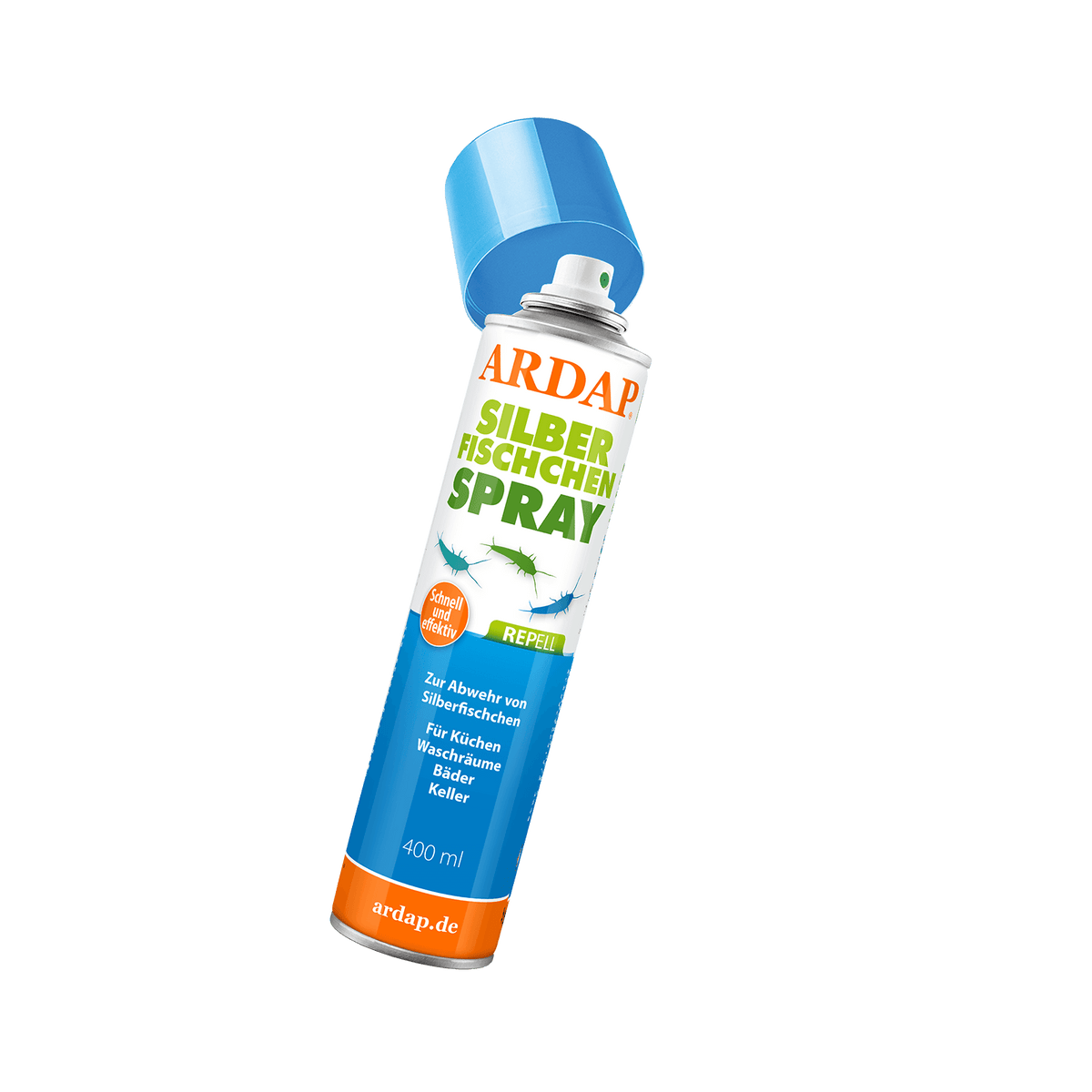
For reliable and targeted prevention, the ARDAP Repell Silverfish Spray is a proven solution. The spray contains pyrethrum from chrysanthemum flowers and can be easily applied to potential hiding places such as cracks, behind baseboards, and in damp corners. Its application ensures that silverfish are effectively kept away and repelled.
No Compromises: Effectively Combat Aggregations
Special products are available for the long-term control of silverfish clusters. The ARDAP Pro product range offers a comprehensive solution that specifically targets both silverfish and related pests such as paperfish.

ARDAP Pro Silverfish Bait Box
The ARDAP Pro Silverfish Bait Box was specially developed to safely and effectively control silverfish and similar insects. The included bait gel attracts the insects with its strong lure. Silverfish take in the bait and carry it into their hiding places, where it takes effect. The bait boxes thus allow for a targeted and very clean form of control. The box is moisture-resistant and can be used in areas such as bathrooms, kitchens, or basements. Its effectiveness lasts for up to three months.

ARDAP Pro Fogger
For hard-to-reach areas and large-scale infestations, the ARDAP Pro Fogger is ideal. The fogger releases various active ingredients through a fine spray mist, which distributes throughout the entire room. With the help of the growth inhibitor pyriproxyfen, the fogger ensures that the life cycle of eggs and larvae is interrupted. The protection lasts for up to six months.

ARDAP Pro Long-Lasting Cockroach Spray
Even though the name might not suggest it, the ARDAP Pro Long-Lasting Cockroach Spray is also ideal for the targeted treatment of cracks and gaps where silverfish and paperfish prefer to stay. It offers a long-lasting effect that lasts for up to 6 months and prevents re-infestation. The spray is easy to apply and is suitable for use in corners, behind furniture, and other potential hiding places. In this way, all developmental stages of the silverfish are permanently contained, and long-term protection is ensured.