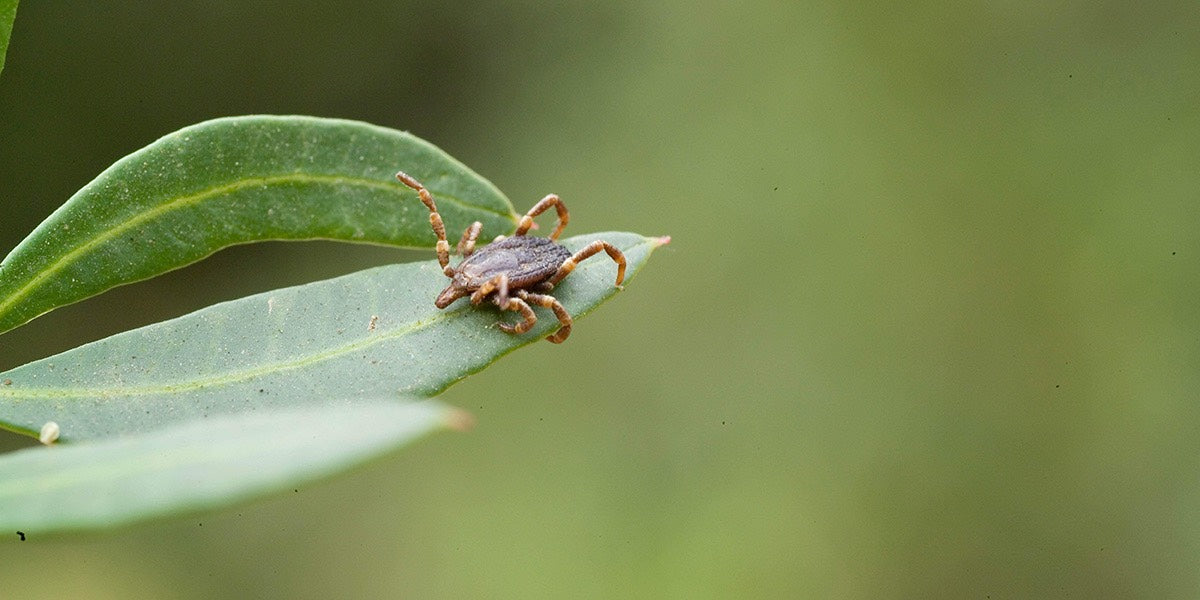
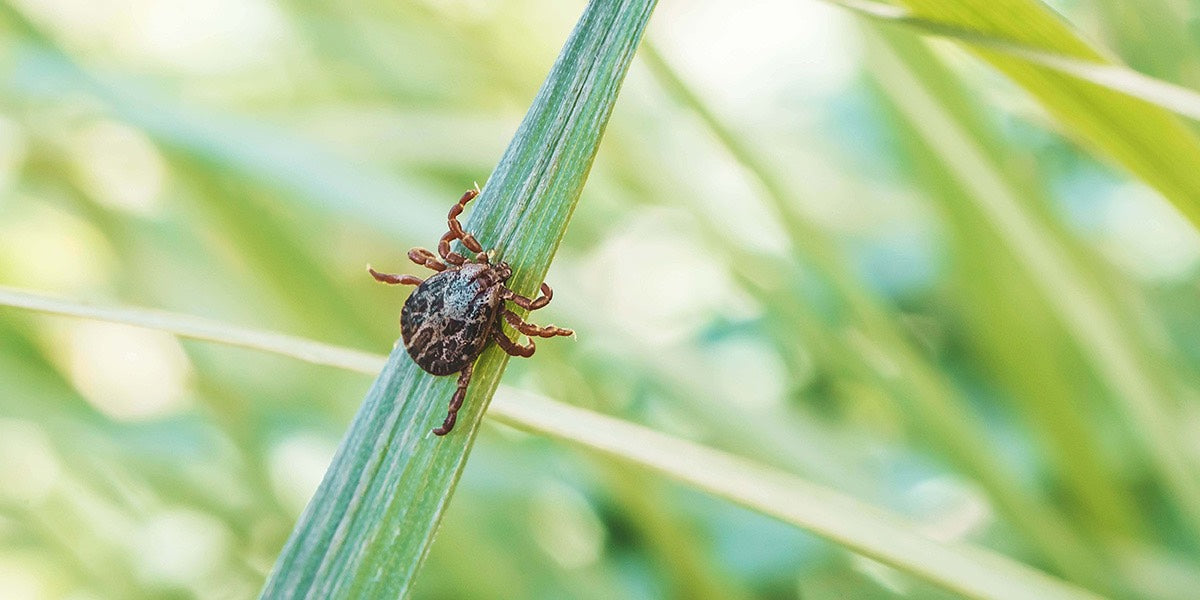
Together with our expert Prof. Dr. med. vet. Norbert Mencke, a specialist in parasitology, we explain how to reliably detect a carpet beetle infestation, which species occur in German homes, and how to effectively control carpet beetles with the right products.
- The Carpet Beetle: A Diverse Member of the Anobiid Family
- Carpet Beetle, Carpet Borer, or Clothes Moth? How to Tell the Species Apart
- Getting Rid of Carpet Beetles
- Conclusion
- Frequently Asked Questions
It is not the beetle, but its larvae that are the actual pests. They feed on wool, furs, and carpets.
Three relevant species occur in Germany: the Common (Spotted), the Brown, and the Dark Carpet Beetle.
Carpet beetle larvae hide in dark places in crevices, floorboards, cabinets, and under carpets. This often means that an infestation remains unnoticed for a long time.
In cases of acute infestation, the ARDAP Pro Long-Lasting Flea Spray reliably controls the beetles and larvae with both immediate and long-term effects.
Prevention is achieved through regular vacuuming, proper storage of textiles, sealing entry points, and precautionary treatment of affected areas with ARDAP products.

The Carpet Beetle: A Diverse Member of the Anobiid Family
Carpet beetles belong to the anobiid family (Dermestidae) and in Germany mainly comprise three relevant species from the genus Attagenus. While the adult beetles harmlessly visit flowers and enter the home through open windows, it is the larvae alone that feed on keratin-containing materials such as wool, furs, and feathers. At room temperature, the development from egg to adult beetle takes about one year. This is a long period during which the larvae can cause extensive damage unnoticed.

“Carpet beetle larvae are masters of concealment. They consistently avoid light, live deep in crevices and floorboards, and play dead when disturbed. This makes them so difficult to detect: by the time the damage to a carpet or wool clothing becomes visible, the larvae have often been active for months.”
Adult carpet beetles are small (2–6 mm), oval-shaped, and capable of flight. They are attracted to light and do not cause any material damage themselves. The larvae are quite different: they consistently avoid light, moult five to twelve times depending on the species, and can remain active in crevices and dark corners for months. Their characteristic playing-dead behavior when disturbed is a survival strategy that makes diagnosis even more difficult.
Common (Spotted) Carpet Beetle – Attagenus pellio
The common or spotted carpet beetle is native to Germany and is one of the most common textile pests in homes. Its most important identifying feature is two conspicuous white hair patches on the wing covers. The beetle reaches a length of 3.5 to 6 mm and is black to brownish-black in color.
The larvae, up to 12 mm long, are covered in golden-yellow hairs and have a distinctive bristly tail at the rear end. They remain in crevices and floorboards, avoiding light, especially where animal hair accumulates. Their typical feeding pattern: the larvae preferentially bite at the hair root, leading to bald patches in furs and carpets. In nature, they live in bird nests and on animal carcasses. Carpet beetles are synanthropes, meaning they are adapted to human-made habitats and benefit from living close to people. This is why they are very widespread in German homes.
Dark Carpet Beetle – Attagenus unicolor
At first glance, the dark carpet beetle closely resembles the common carpet beetle. Both are dark in color and prefer heated indoor spaces. The crucial difference: the dark carpet beetle has no white patches on its wing covers. At 2.5 to 5 mm, it is slightly smaller. The larvae and damage pattern are very similar to those of the common carpet beetle, which is why species identification without a magnifying glass is often difficult. In museums and collections, it is considered a particularly feared pest of animal specimens.

Brown Carpet Beetle – Attagenus smirnovi
The brown carpet beetle originally comes from Africa and was first detected in Germany in 1985. As a heat-loving species, it is exclusively found in heated buildings and can occur there year-round. At 2.3 to 4.0 mm, it is slightly smaller than the common carpet beetle and can be distinguished by its light brown wing covers and darker head. The crucial feature compared to the common carpet beetle: no white patches on the wing covers.
The brown carpet beetle can be distinguished from the dark carpet beetle (Attagenus unicolor), which also has no white patches, primarily by its coloration: while the dark carpet beetle is uniformly dark brown to black, the brown carpet beetle shows a distinctly lighter, reddish-brown to yellow-brown hue. There is also a slight difference in size: the brown carpet beetle remains slightly smaller at up to 4 mm than the dark carpet beetle, which can reach up to 5 mm.
A female lays up to 60 eggs directly in crevices near the food source. The larvae grow up to 7 mm and are golden-yellow to light brown, also equipped with a bristly tail. In English-speaking countries, the species is also known as the Vodka Beetle due to its scientific name smirnovi, a fact that shows how widespread it has become.

What do carpet beetles eat? Food and damage
Carpet beetle larvae specialize in the protein keratin, which is found in wool, feathers, hair, and furs. Unlike clothes moths, they do not leave silky webs. The damage consists of irregular holes directly in the textile. Bald patches in carpets or clumps of missing fur hairs are typical warning signs.
Even soiled synthetic materials can become infested as soon as organic substances such as skin scales serve as a food source. Museums, collections, and households with high-quality natural textiles are particularly at risk from carpet beetles.
| Material | Risk |
|---|---|
| Wool, furs, animal pelts | Very high |
| Feathers, down | High |
| Dog/cat hair in crevices | High (as a food source) |
| Leather | Medium |
| Soiled synthetics | Low to medium |
Where do carpet beetles hide?
While the adult carpet beetle seeks bright light and enters the home through open windows, the larvae consistently avoid light. They hide in crevices in floorboards, under carpets, behind baseboards, and in dark cabinet corners. Eggs are laid directly on food sources, such as in close proximity to wool clothing, carpets, or animal hair in crevices.
Adult beetles appear mainly in spring and early summer, when they are attracted by blooming plants on balconies or terraces and enter the home through open windows. Households with dogs or cats are particularly at risk, as accumulated animal hair in crevices provides an ideal food source for the larvae.
Animal nests in the attic or on the balcony can also serve as entry points and should always be removed immediately.

Carpet beetle, carpet borer, or clothes moth? How to tell the species apart
Carpet beetles and carpet borers are often confused. Their feeding damage looks similar, and both enter the home from outside. However, they can be clearly distinguished with a little attention.
The carpet borer (Anthrenus spp.) is smaller and rounder than a carpet beetle and resembles a tiny ladybug in shape. Its most important identifying feature is a conspicuous, colorful pattern in black, white, and red on the wing covers. The common carpet beetle, on the other hand, is elongated and has the previously described white hair patches on dark wing covers.
The larvae also differ: while carpet beetle larvae are covered in golden-yellow hairs and have a long bristly tail, carpet borer larvae have a more arrow-shaped arrangement of bristles. Clothes moths, on the other hand, can be clearly distinguished from both, as they leave white, smooth larvae and characteristic webs.
| Feature | Carpet beetle (Attagenus) | Carpet borer (Anthrenus) | Clothes moth (Tineola bisselliella) |
|---|---|---|---|
| Size (adult) | 2–6 mm | 2–4 mm | approx. 6–8 mm wingspan |
| Shape | oval to elongated | round, compact | narrow, wing-shaped |
| Coloration | black/brown, white patches | colorful (black/white/red) | yellow-brown |
| Larva | golden-yellow, bristly tail | short, arrow-shaped bristles | white, smooth |
| Webs | none | none | present |
| Feeding pattern | irregular holes | irregular holes | holes with webbing |
For control, the exact distinction between carpet beetle and carpet borer is less crucial. Both species respond to the same approach: thorough cleaning and a reliable contact insecticide such as the ARDAP Pro Long-Lasting Flea Spray help with an existing, acute infestation.

Controls all life stages such as eggs, larvae, and pupae
Long-lasting effect for up to 6 months
Ideal for baskets, mats, crevices, and corners
To the productGetting Rid of Carpet Beetles
Anyone who has carpet beetles in their home should act on two levels: preventively and by consistently controlling acute infestations. Regular hygiene measures permanently reduce the risk. But once the larvae are active, a reliable product is needed that also works in crevices and hidden areas. The ARDAP Pro Long-Lasting Flea Spray was developed precisely for such situations.
Preventive Measures Against Carpet Beetles
Anyone who wants to keep carpet beetles away permanently should use several measures at once. The first point of approach is closing entry points. Especially in spring, when adult beetles go out in search of flowers, windows and terrace doors should be secured with fly screens. In addition, beetles, as well as other flying and crawling pests, can be effectively prevented from entering your living space for up to 6 months by treating window and door frames or even basement window surrounds with the ARDAP Pro Long-Lasting Flea Spray.
Old bird nests in the attic or on the balcony should also be removed, as they can serve as breeding grounds and entry points for carpet beetles.
The second point of approach is the proper storage of natural textiles. Wool clothing, furs, and seasonal clothing made of natural fibers belong in tightly closing boxes or vacuum bags. Untreated animal wool or natural hair mats should not be stored in poorly ventilated rooms.
As a third point, regular, thorough vacuuming is crucial. This applies not only to the carpeted area, but specifically to edges, crevices in floorboards, baseboards, and the areas under and behind furniture. You should dispose of the vacuum cleaner bag after vacuuming so that you do not leave dragged larvae or eggs in the household.

Efficiently control carpet beetles
"The sooner you act, the less the damage. The first step is a reliable diagnosis. Look for irregular feeding holes without webs, larval skins, and live larvae. Then locate the infestation source and systematically search all textiles, carpets, and crevices in the immediate vicinity of the damage.
You should dispose of heavily infested materials. Then, treat the remaining larvae and beetles in their hiding places. Carpet beetles are small beetles that cause major damage: their larvae digest the protein keratin and eat through wool textiles, carpets, and furs. With the ARDAP Pro Long-Lasting Flea Spray, you treat larvae and beetles in all accessible hiding places, from cracks in floorboards to cabinet edges. The spray works reliably on contact, even in cracks, floorboards, and at carpet edges, with an immediate effect and a long-lasting effect of up to 6 months.
Step-by-Step: Applying ARDAP Pro Long-Lasting Flea Spray Against Carpet Beetles
- Preparation: Before using the ARDAP Pro Long-Lasting Flea Spray, read the package instructions thoroughly and follow them. Cover aquariums and terrariums. Keep children and pets, especially cats, away during spraying. For highly sensitive or polished surfaces, first perform a discreet test treatment.
- Locate and Identify Infestation Areas: Look for the beetles' travel routes and entry points, as well as cracks in floorboards, carpet edges, cabinet shelves and back panels, and baseboards.
- Shake Well and Spray Correctly: Shake the can vigorously. Use only outdoors or in well-ventilated rooms. Open the window. Spray from a distance of approx. 30 cm until the surface appears slightly damp, but not wet.
- Aftercare: Ensure adequate ventilation after application. The room can be entered after spraying and while airing out. Ventilate until no odor is detectable.
Effect: Immediate effect on contact; long-lasting effect of up to approx. 6 months on treated surfaces.
After a few weeks, a follow-up inspection is recommended. Search again for signs of feeding or larval skins.
In cases of very severe or widespread infestation, the ARDAP Pro Fogger is recommended. It fogs an entire room at the touch of a button, thus reaching all areas comprehensively. As a supplement, the ARDAP Pro Long-Lasting Flea Spray is recommended to specifically re-treat individual problem areas such as areas behind furniture, hard-to-reach corners, and crevices after the room treatment. With a duration of effect of up to 6 months on treated surfaces, both products offer additional protection exactly where the larvae prefer to stay.
Conclusion
Carpet beetles are persistent textile pests whose larvae prefer to hide in dark cracks and undisturbed textile storage. Those who take the first signs of damage seriously, namely irregular feeding holes without webs, and act quickly can prevent greater losses.
This includes locating the infestation source, disposing of heavily infested materials, and then consistently treating larvae and beetles in their hiding places. With the ARDAP Pro Long-Lasting Flea Spray, you have a highly effective remedy at your disposal that reliably treats carpet beetles and their larvae in cracks, along travel routes, and in all accessible hiding places. In cases of very severe or widespread infestation, the ARDAP Pro Fogger effectively complements the treatment of entire rooms.
Prevention can be achieved by properly storing natural textiles in tightly closing containers, regularly vacuuming cracks and carpet edges, and closing entry points, especially in spring when adult beetles are searching for food.
Frequently Asked Questions
Why do I have carpet beetles in my home?
Adult carpet beetles fly into indoor spaces through open windows in spring, attracted by light and blooming plants on balconies, windowsills, or terraces. There, they seek sheltered places to lay eggs directly on food sources, preferably in cracks near wool clothing or carpets, where animal hair serves as a food source for the larvae. Households with dogs or cats and floorboards are therefore particularly affected, as animal hair accumulates in the cracks and forms an ideal food source for the larvae.
Are carpet beetles and carpet moths the same?
No, carpet beetles and carpet moths are different beetle species from the same family of carpet beetles (Dermestidae). Both cause similar feeding damage to keratin-containing materials, but differ morphologically, i.e., visually. The carpet moth is smaller and rounder with a colorful pattern in black, white, and red. The common carpet beetle is elongated and has two white hair patches on dark wing covers. The distinction is less crucial for treatment, as both species respond to the same treatment strategy with products from ARDAP Pro.
Can carpet beetles sting or bite?
Carpet beetles do not sting or bite. However, the fine hairs of the larvae can cause skin irritation or itchy wheals in sensitive individuals. Carpet beetles are not health pests in the medical sense and do not transmit diseases.
Where do carpet beetles hide?
Carpet beetle larvae avoid light and stay in cracks in floorboards, under carpets, behind baseboards, and in dark cabinet corners. In households with pets, they find an ideal food source in accumulated animal hair. Adult beetles, on the other hand, seek light and can also be found on flowers in spring and early summer. They enter homes primarily through open windows or doors.
How long does the treatment of carpet beetles take?
The duration of treatment depends on the extent of the carpet beetle infestation. Since carpet beetle larvae live hidden for months and carpet beetle eggs may be laid in cracks, targeted treatment in all hard-to-reach corners, crevices, and gaps using the ARDAP Pro Long-Lasting Flea Sprays is recommended, followed by a follow-up inspection after about 4 to 6 weeks. The ARDAP Pro Fogger can be used as a complementary measure for surface treatment in entire rooms against carpet beetles.
Sources
- Beetles - Wikipedia
- Common Carpet Beetle - Wikipedia
- The Carpet Beetle – Environmental and Health Protection City of Zurich
- Carpet Beetles: How to Get Rid of the Pests Again – haus.de
- Common Carpet Beetle - Wikipedia
- Treating Spotted Carpet Beetles – Institute for Pest Control
- Brown Carpet Beetle – Institute for Pest Control
- Dark Carpet Beetle – Institute for Pest Control
- Common or Spotted Carpet Beetle - Museum of Museum Pests