From a holiday problem to a domestic threat: what was long considered travel sickness from the Mediterranean has arrived in Germany. Current study data shows an accelerating spread, especially in a band from the southwest to the northeast.
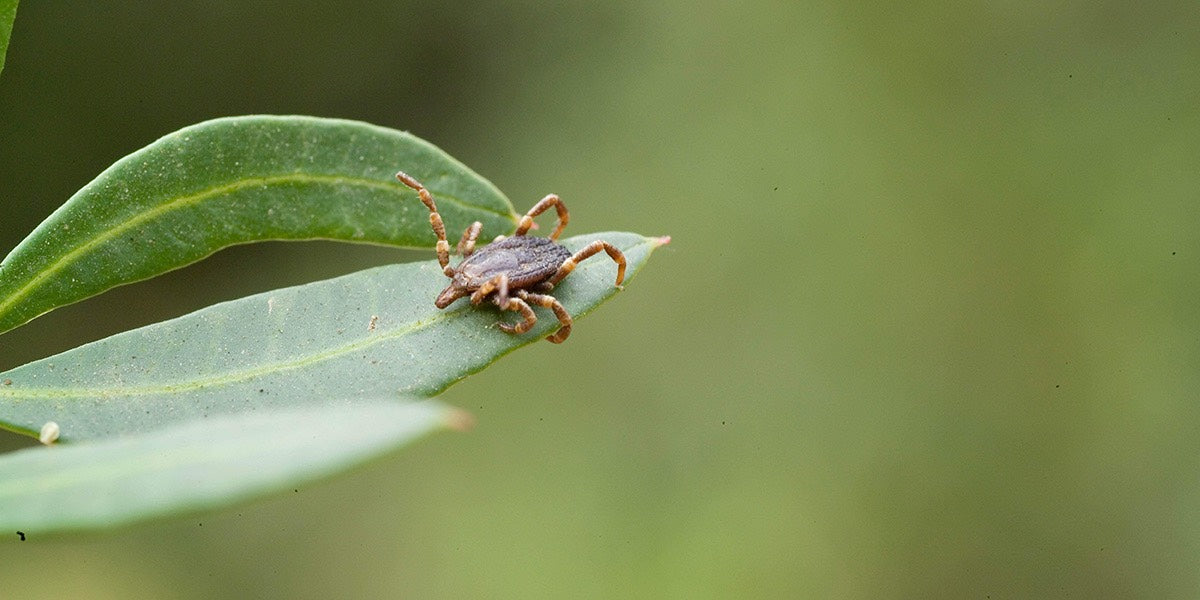
Vectors on the rise: The common wood tick (Dermacentor reticulatus) has now been detected in all 16 federal states and is now the second most common tick species in dogs.
Rapid course, high risk: A dog infected with Babesia canis can die within just a few days, even with a low pathogen load. Symptoms: high fever, pale mucous membranes, blood in the urine.
Particularly affected: Brandenburg, the Rhine-Main area, and northwestern Germany. More and more veterinarians are reporting infected dogs that have never spent any time abroad.
In close cooperation with our expert, veterinary specialist and parasitologist Prof. Dr. med. vet. Norbert Mencke, this article informs you about the transmission routes, symptoms, and treatment options for babesiosis and provides valuable tips for year-round tick protection using proven repellents.
For further scientific information on vector-borne diseases in your pet, the European Society of Clinical and Comparative Parasitology (ESCCAP) also offers resources here.

Babesiosis in dogs
Babesians that are clinically relevant in dogs are transmitted by the brown dog tick (Rhipicephalus sanguineus) and the common wood tick (Dermacentor reticulatus). They transmit the two Babesia strains Babesia canis and Babesia gibsoni, which can be most dangerous to dogs. However, only Babesia canis occurs in Germany; Babesia gibsoni is a traveler's souvenir.
Common wood ticks are spreading ever further across Europe due to climate change. This tick species prefers damp, wooded areas such as the floodplain forests that give it its name, but also feels comfortable in meadows and pastures, parks, and gardens. In mild winters, ticks can even forgo their winter dormancy and remain active year-round, so the risk of bites and infections exists outside the classic tick season between spring and autumn.
The brown dog tick is an introduced species. It can hide, for example, in cracks in the ground, upholstered furniture, or the gaps in baseboards, overwinter in heated rooms, and even reproduce and multiply in residential buildings or animal shelters. No transmission of Babesia gibsoni has been reported from these occurrences in Germany.
Why babesiosis is not "dog malaria"
The colloquial term "dog malaria," which is often used for babesiosis in dogs, is misleading, because babesiosis and malaria are different diseases caused by different pathogens. In both cases, blood parasites are responsible for the illness—Babesia for babesiosis and Plasmodium for malaria. However, Babesia is transmitted through tick bites, while malaria pathogens are transmitted through mosquito bites. The term "dog malaria" has probably become established due to the typical symptoms (fever, anemia, and exhaustion) of babesiosis, which also occur in malaria infections.

How to recognize that your dog is ill
Babesiosis in dogs is often characterized by fever, anemia (low red blood cell count), fatigue, loss of appetite, and weight loss. Dark, reddish-brown urine is also a typical symptom of babesiosis. In severe cases, the dog may develop jaundice and suffer from breathing difficulties or neurological symptoms such as movement disorders or seizures.
If you notice such symptoms in your dog, see a veterinarian as soon as possible. The same applies to canine babesiosis: a quick diagnosis and treatment prevent complications and promote a rapid and complete recovery.
Detection of pathogens in your four-legged friend
Babesia is detected in four-legged animals such as dogs through a blood test. A blood smear is examined under a microscope to detect Babesia parasites in the red blood cells. In addition, as with humans, a PCR test or antibody test can be performed to confirm the infection and initiate appropriate treatment.

How will your pet be treated if they fall ill?
For the treatment of babesiosis in dogs, special medications (antiprotozoals) that kill the Babesia parasites are administered as injections or tablets. In addition, supportive therapy to treat the symptoms may be necessary, and in severe cases, even a blood transfusion.
Possible complications in puppies, older animals, or animals with pre-existing conditions
Puppies, older dogs, and animals with health problems are particularly susceptible to severe courses and complications from a babesiosis infection. These include:
- Severe anemia: Massive destruction of red blood cells can lead to life-threatening anemia.
- Organ failure: Kidney and liver failure in particular can occur because these organs are heavily stressed by anemia and the breakdown products of the destroyed red blood cells.
- Thrombocytopenia: If the number of platelets is also significantly reduced, this leads to an increased tendency to bleed and a higher risk of internal bleeding.
- Weakened immune system: Animals with pre-existing conditions and a weakened immune system often take much longer to recover from severe babesiosis and fully convalesce.
- Cerebral babesiosis: In very rare cases, the infection can affect the central nervous system and lead to seizures, movement disorders, or behavioral changes.
The best protection? Repelling ticks specifically!
Good protection against diseases transmitted by ticks is the targeted repelling of the parasites. Repellent products are suitable for this purpose. It is almost impossible to protect dogs from contact with ticks while walking, playing, sniffing, digging, or resting outdoors. However, with protective collars, spot-ons, and other repellents, you can ensure that the lurking parasites do not reach your dog in the first place, wander around in its fur, and attach themselves to its skin.


Important to know: As a rule, an infected tick must feed for at least one day to transmit the Babesia parasites. Check your dog after a walk and remove any discovered tick immediately to minimize the risk of infection.

Repelling ticks with repellents
For several weeks of repellent protection against ticks, use the ARDAP tick collar for dogs. The active ingredient pyrethrum from the chrysanthemum keeps ticks and also fleas away from your pet for up to four months.
Alternatively, you can protect your pet with the ARDAP tick spot-on for dogs. Spot-ons work for up to four weeks and are particularly easy and targeted to apply, as only a few drops of the preparation need to be applied to the animal's neck to protect efficiently against tick bites.
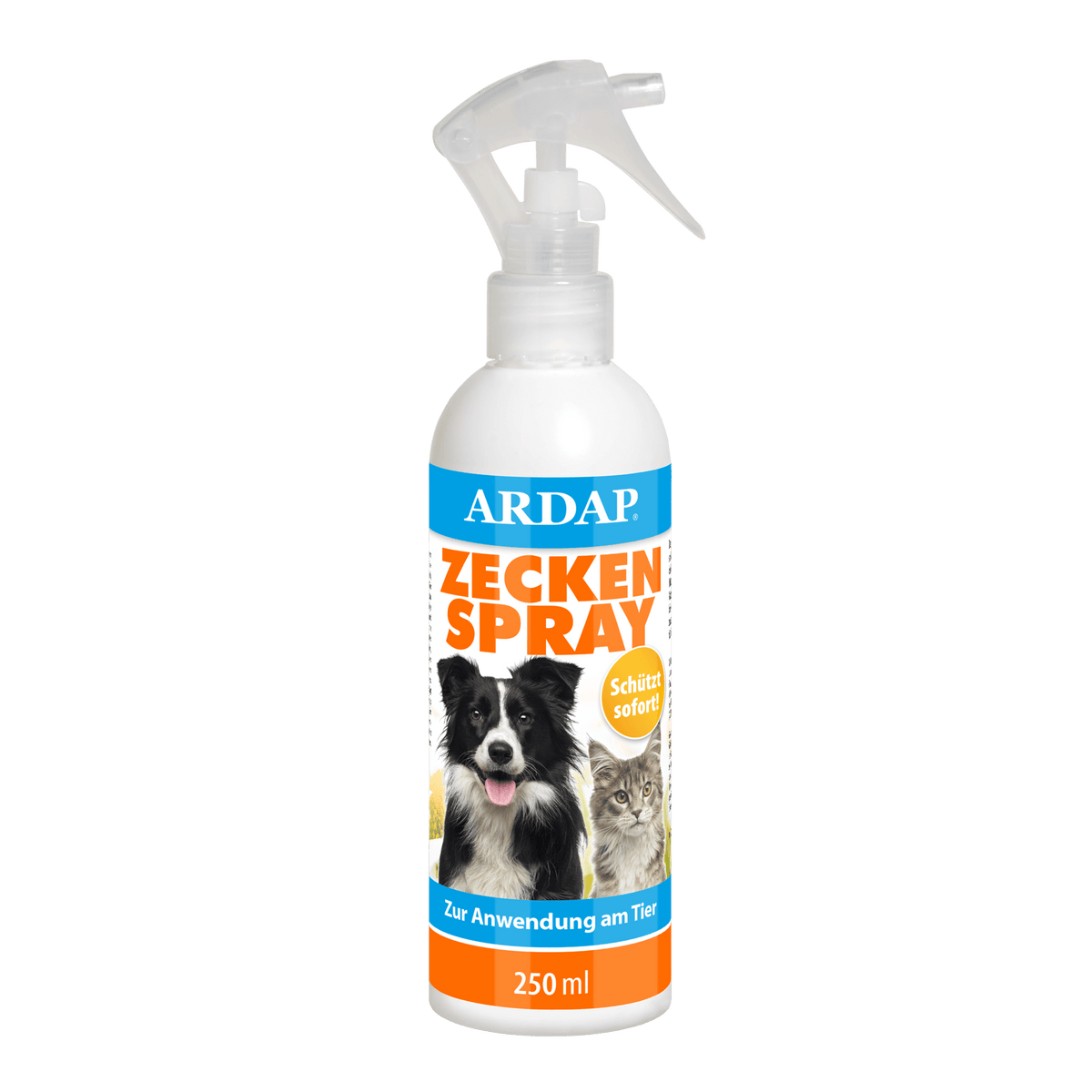
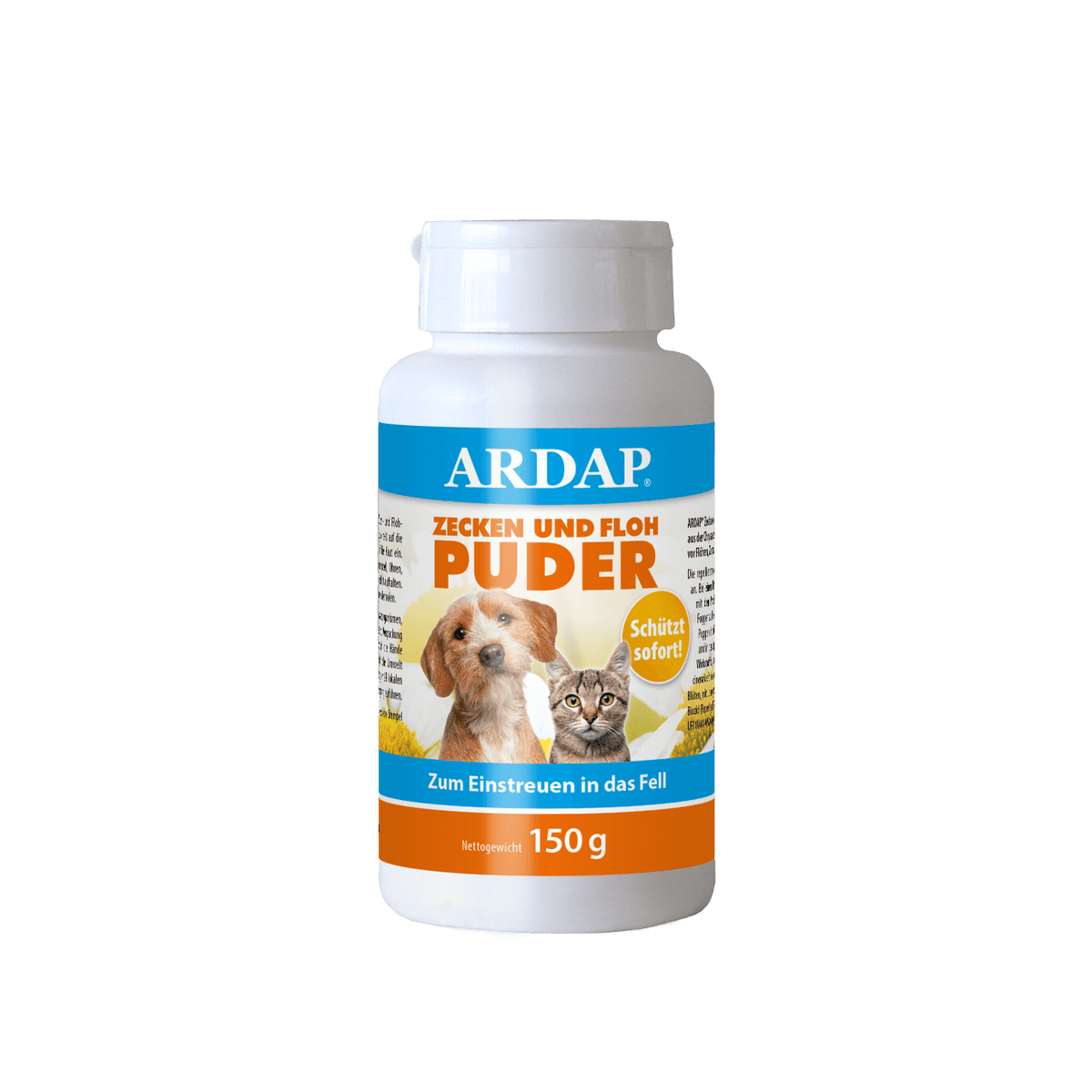
In addition, you can use the ARDAP tick spray or the ARDAP tick powder for dog & cat to additionally treat frequently infested areas such as the neck, paws, or the base of the tail before a walk or letting the dog out. And the ARDAP anti-tick dog shampoo ensures a clean, well-groomed, and hygienically fresh coat in addition to the repellent effect.

Removing attached ticks
Ticks that have already attached themselves should be removed as quickly as possible. For this, the ARDAP tick hook in the practical 3-piece set as well as the ARDAP tick hook with tweezers with 2-in-1 double function are suitable. This way you always have the right tool at hand and can pull out ticks of any size quickly and safely. Thorns and splinters can also be easily removed with the tweezers. The rapid removal of ticks significantly reduces the risk of infection and mostly prevents inflammation.

Babesiosis in humans
Babesians are single-celled blood parasites that can infect and destroy red blood cells. However, of the more than a hundred Babesia species, only two have been described in Germany and Central Europe: Babesia divergens in cattle and Babesia microti in rodents. Both are transmitted by the common wood tick (Ixodes ricinus), the most common tick species in this country.
Is babesiosis contagious?
Infection with Babesia almost always occurs through the bite of an infected tick. Only very rarely are Babesia transmitted through blood transfusions if the donor blood has not been tested for this disease. Babesiosis is not contagious directly from person to person, nor does direct transmission of Babesia from pets to humans occur. You therefore cannot become infected with Babesia from your dog.
Matching video with application tips: