





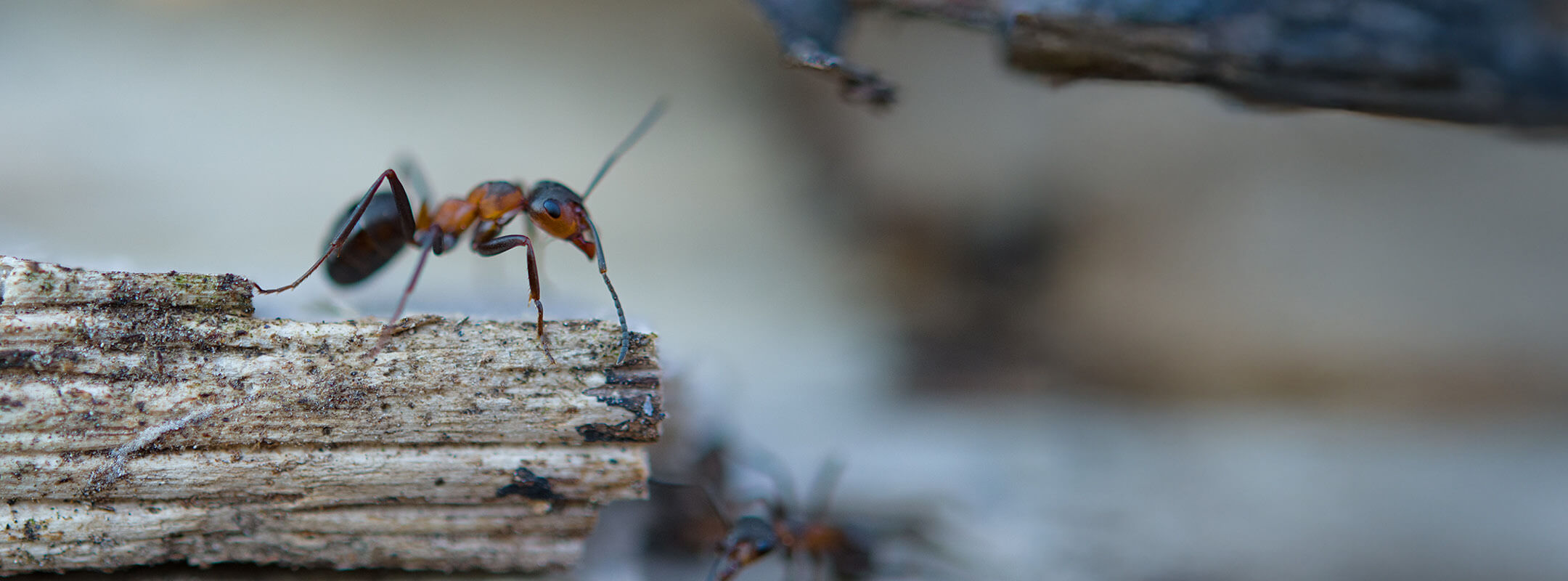
Ant Fact Sheet
Ants are fascinating insects that can be found in almost every habitat on Earth. Their complex social structures and their lives in large colonies make ants an exciting subject of study. However, ants are not only beneficial creatures; they can also become nuisances or even pests if they enter our living spaces.
In this fact sheet, you will learn interesting facts about ants in general and the ant species common in Germany. Together with our expert, Prof. Dr. med. vet. Norbert Mencke, specialist veterinarian in parasitology, we will also give you tips on what you can do if ants become a problem.
All ant blog posts:
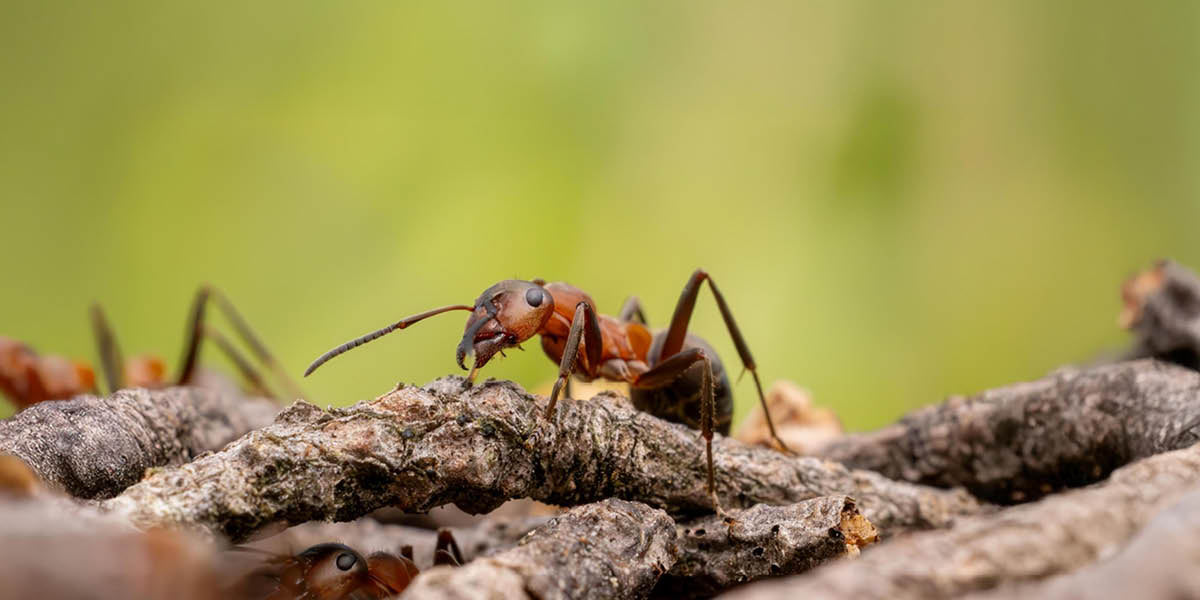
Brown pavement ant
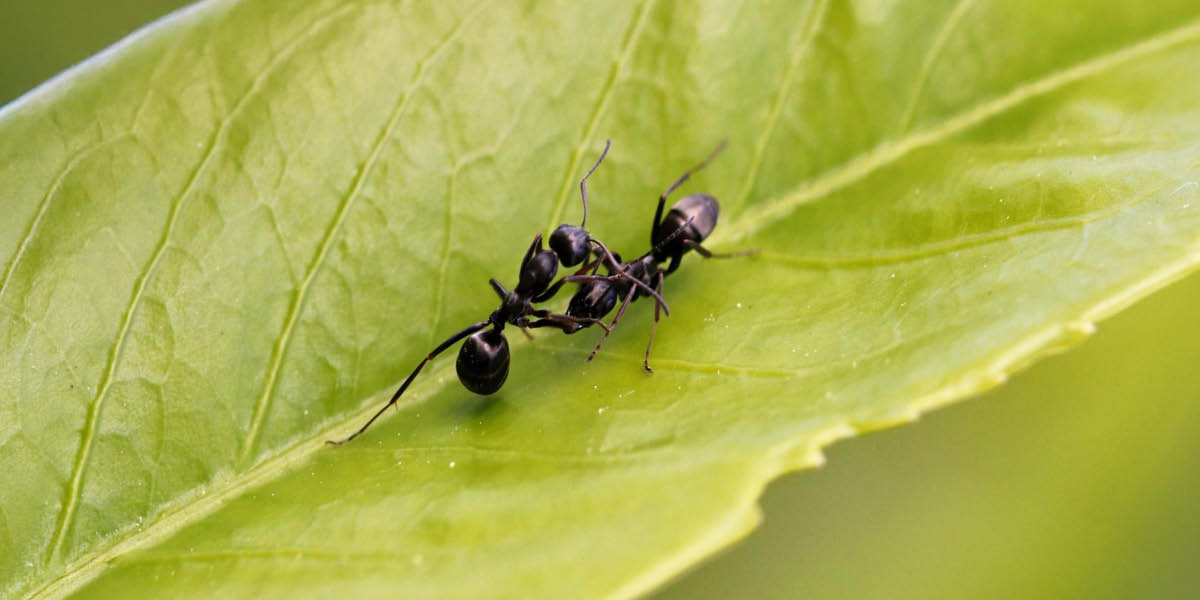
Black Wegameise
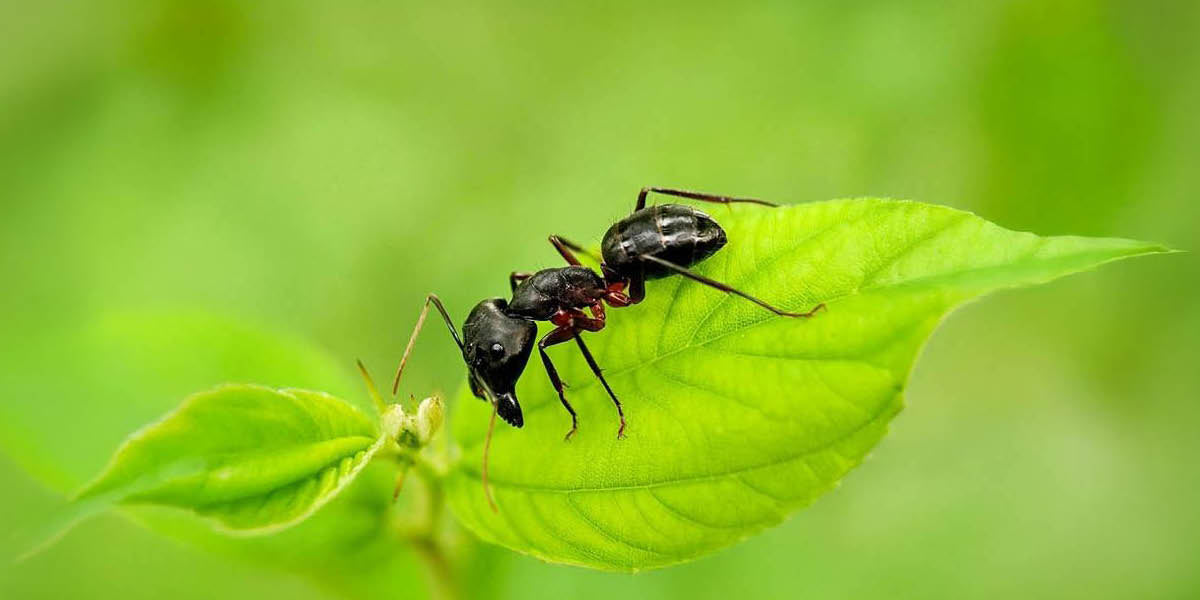
Black Rosamide
General Information About Ants
Ants can adapt to a wide variety of habitats – from forests and deserts to urban areas. They play an essential role in the ecosystem, which is why they are also known in this country as “forest police.” Despite their usefulness, it is sometimes necessary to control or repel ants in the home, for example to prevent damage to buildings.
Since there are so many ant species with very specific lifestyles, we have summarized the most important general topics about ants below. Individual ant species may differ from this information.
Appearance and Distribution of Ants
Ants are insects with a clearly recognizable three-part body consisting of a head, thorax (chest area), and abdomen (belly/hind body). They have six legs and usually two antennae, which they use for communication and orientation. Ants vary greatly in size and color, although most species are black, brown, or red. What laypeople often mistake for a “white ant” is usually a termite. However, these are not a species of ant, but belong to their own insect order (Isoptera).
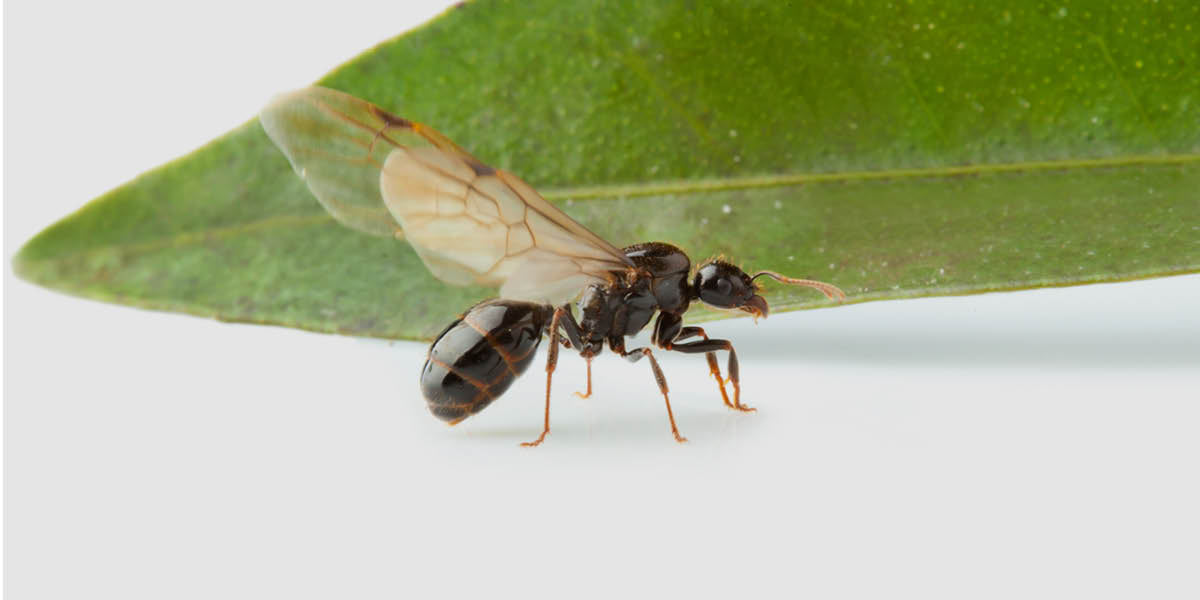
Flying ants are sexually mature males and females that swarm out of their nests to mate and found new colonies. However, this “nuptial flight” or “swarm flight” is a time-limited phenomenon: After mating, the males die fairly quickly, while the mated females (the future queens) also shed their wings and search for a suitable place to found a new colony.
What does “eusocial” lifestyle mean?
Ants are eusocial, which means that they live in highly organized communities. These colonies consist of a queen, workers, and sometimes males as well. The division of labor is strictly regulated: The queen lays eggs, while the workers take care of brood care, foraging, and nest defense. Eusociality is one of the highest levels of social organization and is also found in termites as well as in some bee and wasp species. It enables ants to work efficiently in almost any environment and to make optimal use of the available resources for their colony.
Beneficial insects: The role of ants in the ecosystem
As scavengers, ants break down organic material, thereby enriching the soil with nutrients. They are also important pest controllers themselves because they hunt other insects. Their role as predators and scavengers helps to maintain the ecological balance. Their tunnel systems also aerate the soil and promote plant growth. Some ant species, such as the honey pot ant, have also developed special ways of adapting to store food supplies.
In addition to beneficial ants, there is a group of wood-destroying ants (Formicidae). These include particularly the carpenter ant, the shiny black carpenter ant, and the wood ant. They are known for the damage they cause to building structures.
Ant species in Germany
There are numerous ant species in Germany, found in a variety of habitats:
Brown pavement ant (Lasius brunneus)
This species prefers dry, sandy soils and is commonly found in urban areas. It is known for nesting in wall crevices and under paving stones.
Black garden ant (Lasius niger)
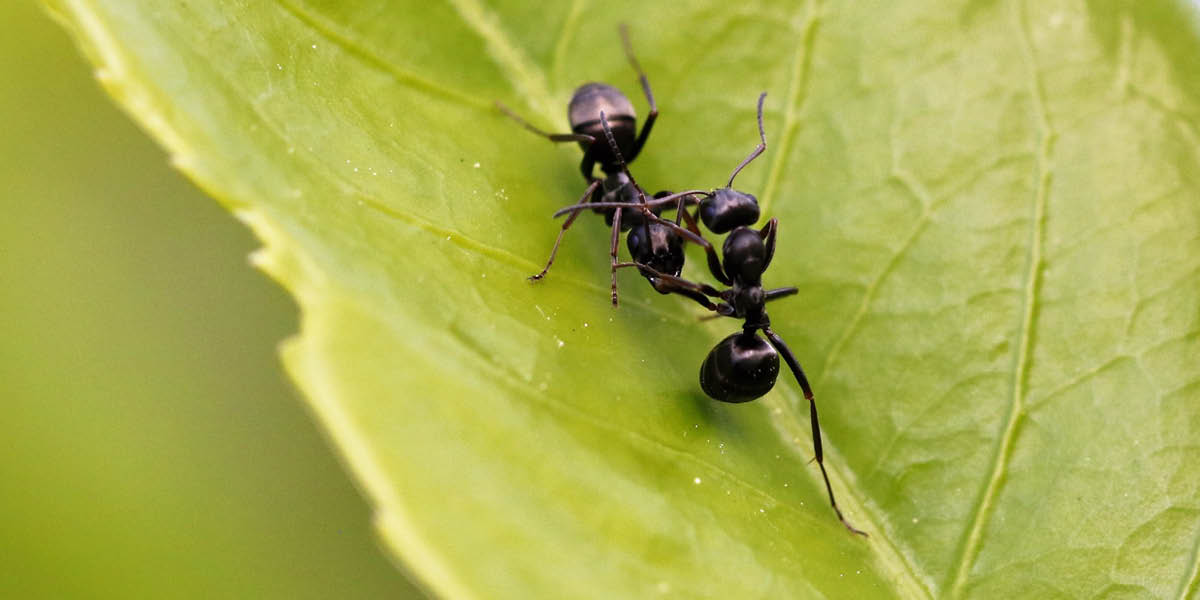
The Black Garden Ant is one of the best-known species and is frequently found in gardens and near houses. It forms large colonies and can become particularly troublesome in summer when it enters houses in search of food.
Yellow meadow ant (Lasius flavus)
This species mostly lives underground and prefers damp meadows and pastures. It feeds mainly on root aphids, which it raises in its nests.
Common lawn ant (Tetramorium caespitum)
A common species found in lawns and gardens . It can damage the lawn with its nests and impair the growth of grasses.
Red wood ant (Formica rufa)
These large ants are especially found in forests and play an important role in this ecosystem as scavengers and predators. They build large mound nests ("anthills") out of needles and twigs.
Common carpenter ant (Camponotus ligniperda)
These large ants are often found in forests and nest in dead wood. They can also cause damage to wooden structures in buildings if they build nests there.
Red blood ant (Formica sanguinea)
An aggressive species that raids other ant colonies and steals their brood. The raids are well organized, demonstrating the high social intelligence of this ant species.
Yellow crazy ant (Solenopsis fugax)
These little ants often live near other ant colonies, from which they steal food. To do this, they enter the nests of other species and deliberately take their food supplies.
Introduced ant species:
In addition to the native species, there are also several introduced species found in Germany.
Argentine ant (Linepithema humile)
This invasive species forms large colonies that displace native ant species. Argentine ants are highly adaptable and can survive in a variety of environments.
Leaf-cutter ants (e.g., Atta cephalotes)
Leafcutter ants cut leaves into small pieces and transport the fragments to their nests. There, the ants cultivate a fungus that serves as their food. Leafcutter ants are fascinating because of their way of life, but they can cause considerable damage to native plants.
Fire ants (Solenopsis)
Fire ants are aggressive and known for their large colonies as well as their particularly painful stings. They can injure both humans and animals and are difficult to control.
Pharaoh ant (Monomorium pharaonis)
A small but hardy species that causes problems in homes and hospitals. It can transmit diseases and is particularly difficult to control.
Large gland ant (Tapinoma magnum)
Tapinoma magnum is considered an invasive ant species in many regions of Europe and is increasingly spreading in urban and domestic environments. It is characterized by its extensive colony behavior with multiple queens, allowing the species to establish itself quickly across gardens, terraces, and buildings. Due to its high adaptability and ability to displace competing species, Tapinoma magnum can become a persistent pest that is difficult to control both indoors and outdoors.
Black-headed ant (Tapinoma melanocephalum)
Rasberry crazy ants are an invasive ant species that can even damage electrical devices. The damage is caused either by the ants themselves, which crawl into devices and cause short circuits, or is the result of corrosion caused by formic acid.
Fragrant house ant (Tapinoma sessile)
This species of ant is widespread in homes and known for its characteristic odor, which is particularly noticeable when these ants are crushed. In search of sugary foods, the odorous house ant can enter the home in large numbers along long ant trails, often unnoticed overnight.
From Beneficial Insects to Pests
Ants are beneficial insects. However, when they enter human habitats and damage buildings in the process, they become nuisances and even pests. Although they play important roles in the ecosystem , they can cause problems in the home.
Wood-Destroying Ants
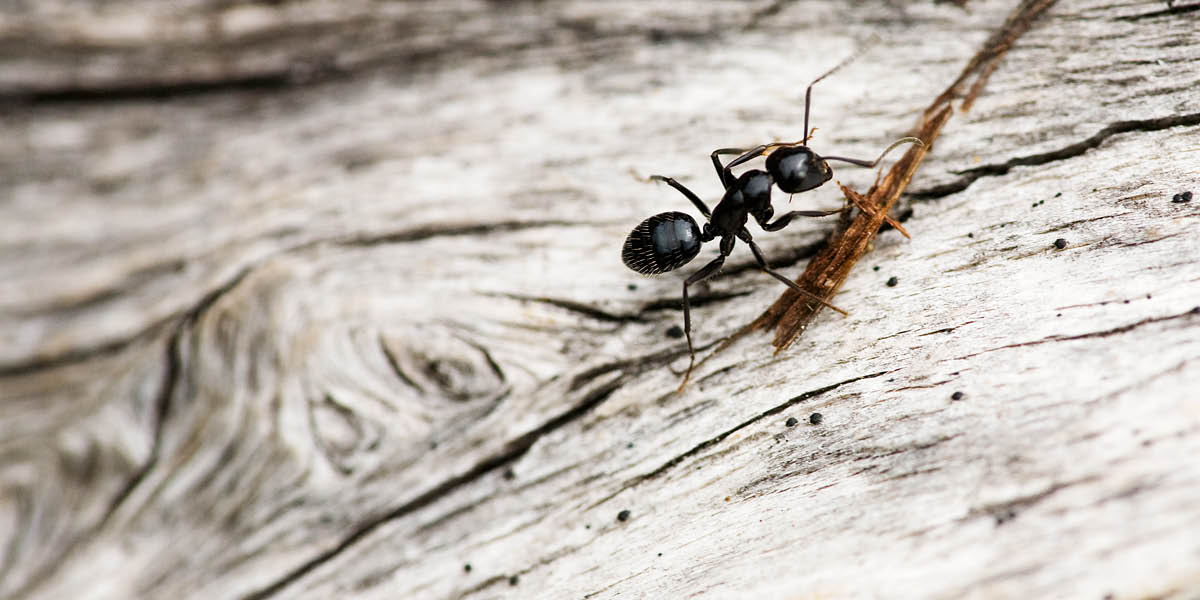
Some ant species can damage wooden structures in homes by nesting in them.
The wood-destroying species include in particular:
● the shiny black carpenter ant (Lasius fuliginosus)
● the European carpenter ant (Camponotus ligniperda)
● the black carpenter ant (Camponotus herculeanus)
● the two-color pavement ant (Lasius emarginatus) and
● the brown pavement ant (Lasius brunneus)
These ants tunnel through the wood, which over time leads to considerable damage. Especially if an infestation is only noticed late, ants can compromise the structural integrity of the building and make expensive repair or remediation work necessary. Regular inspections, e.g. in rarely used basement or storage rooms, help to detect ant nests in the building early on. Signs of an infestation include wood dust or fine shavings on the floor, a sour, dry ant smell, as well as faint scratching or rustling noises.
Preventing ants from entering
To prevent ants from entering, you should seal possible entry points such as cracks in walls and window seals and store food securely. Make sure to keep supplies in tightly sealable containers (e.g. screw-top jars) and immediately clean up spilled food such as sugar or drinks thoroughly. Because pet food also attracts ants, you should also avoid leaving half-empty food bowls or dishes with dry dog or cat food open for extended periods.
To repel ants, you can also use the ARDAP Repell Products against ants.
Finding ant nests in the house
To find ant nests in the house, you should pay particular attention to areas where ants frequently appear. Especially in the kitchen and bathroom, where food and moisture are present, ants are provided with good living conditions. If you find a nest, you can effectively control the entire colony by placing out ARDAP Pro Ant Bait Boxes.
Damage caused by ants in the garden
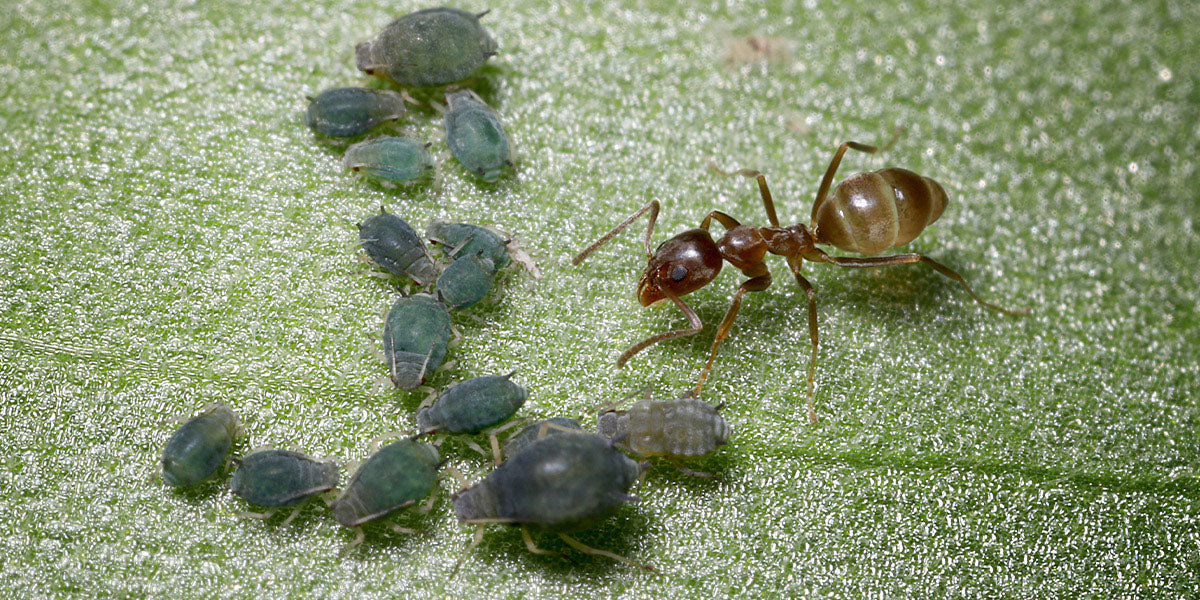
Ants in the garden and in nature are beneficial insects and are part of a healthy ecosystem. But they can also cause damage because they undermine plant roots or farm aphids, which leads to an excessive aphid infestation on food and ornamental plants. Such a symbiosis (mutualism) between ants and aphids greatly benefits both species, much to the annoyance of many gardeners. The ants protect the aphids from predators, tend them, and milk them. In return, they get honeydew from the aphids, a sugary substance that serves as an important food source for the ants. Aphids, in turn, damage plants by sucking their sap and promoting mold growth through the production of sticky honeydew.
Ant nests in the roots of young trees or sensitive perennials can also cause the plant to wilt and gradually die.
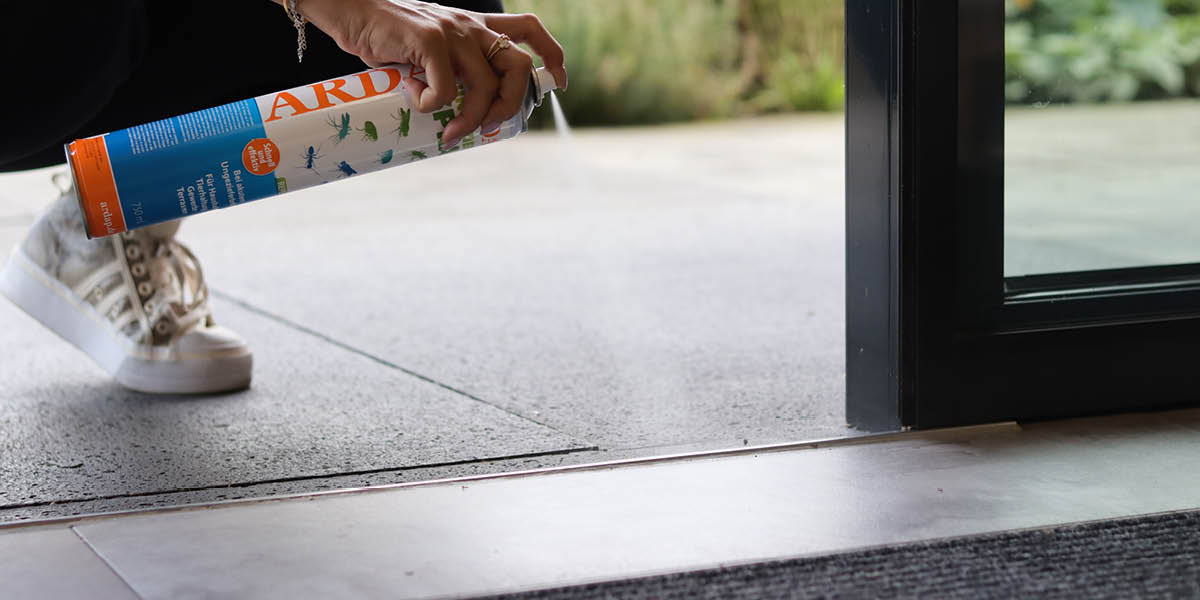
Control ants – targeted and sustainable
To control ants in the garden, it pays to promote the natural enemies of ants and aphids. These include certain bird species such as blackbirds, great tits and treecreepers, which like to feed on ants, as well as ladybirds, hoverflies, gall midges and parasitic wasps, which particularly enjoy aphids.
There are various methods to keep ants away or control them. To get rid of ants in the house again, you should first remove possible food sources and clean the affected areas before using any other products. By tracing the ant trail back, you can usually find the nest and control the ants directly at the source with a highly effective bait.
For the targeted deterrence of ants in the house or on terraces and paths, you can use the ARDAP Repell products.
Do home remedies help against ants?
There are various home remedies against ants, such as sprinkling baking powder, baking soda or coffee grounds, spraying with vinegar, or controlling the ant infestation with harsh cleaning products or boiling water. These methods, if they help at all, only provide short-term relief and are not as effective as the specially developed products from ARDAP, which we will introduce in more detail below.
Ant spray
The ARDAP Repell ant spray is ideal for deterring ants in the home, on terraces, balconies and paths. It reliably keeps ants away and is easy to use. The spray contains the repellent active ingredient pyrethrum from chrysanthemum flowers, which reliably deters ants. In addition to ants, the ARDAP Repell ant spray also helps prevent flies, fleas, spiders, silverfish, mites and other pests.
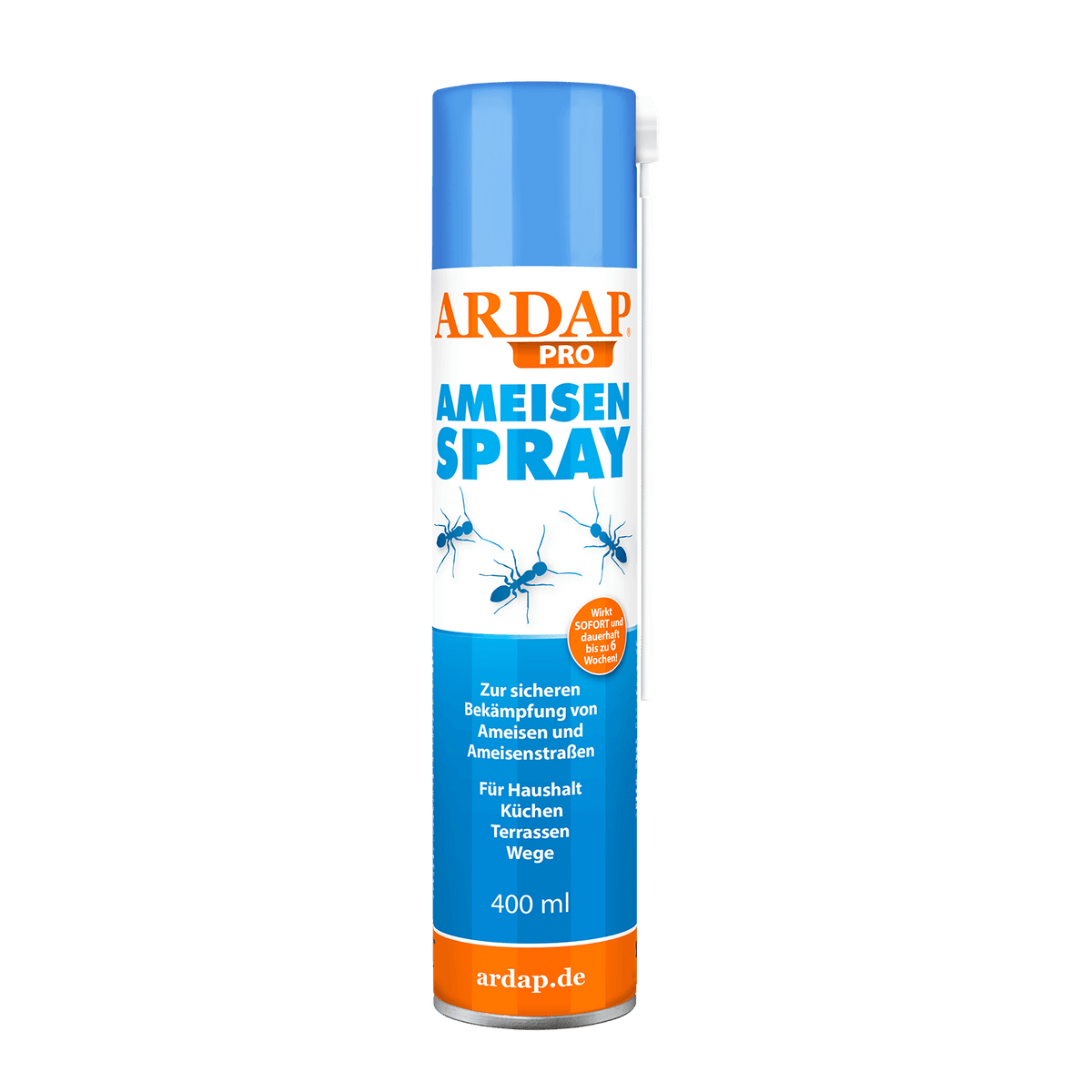
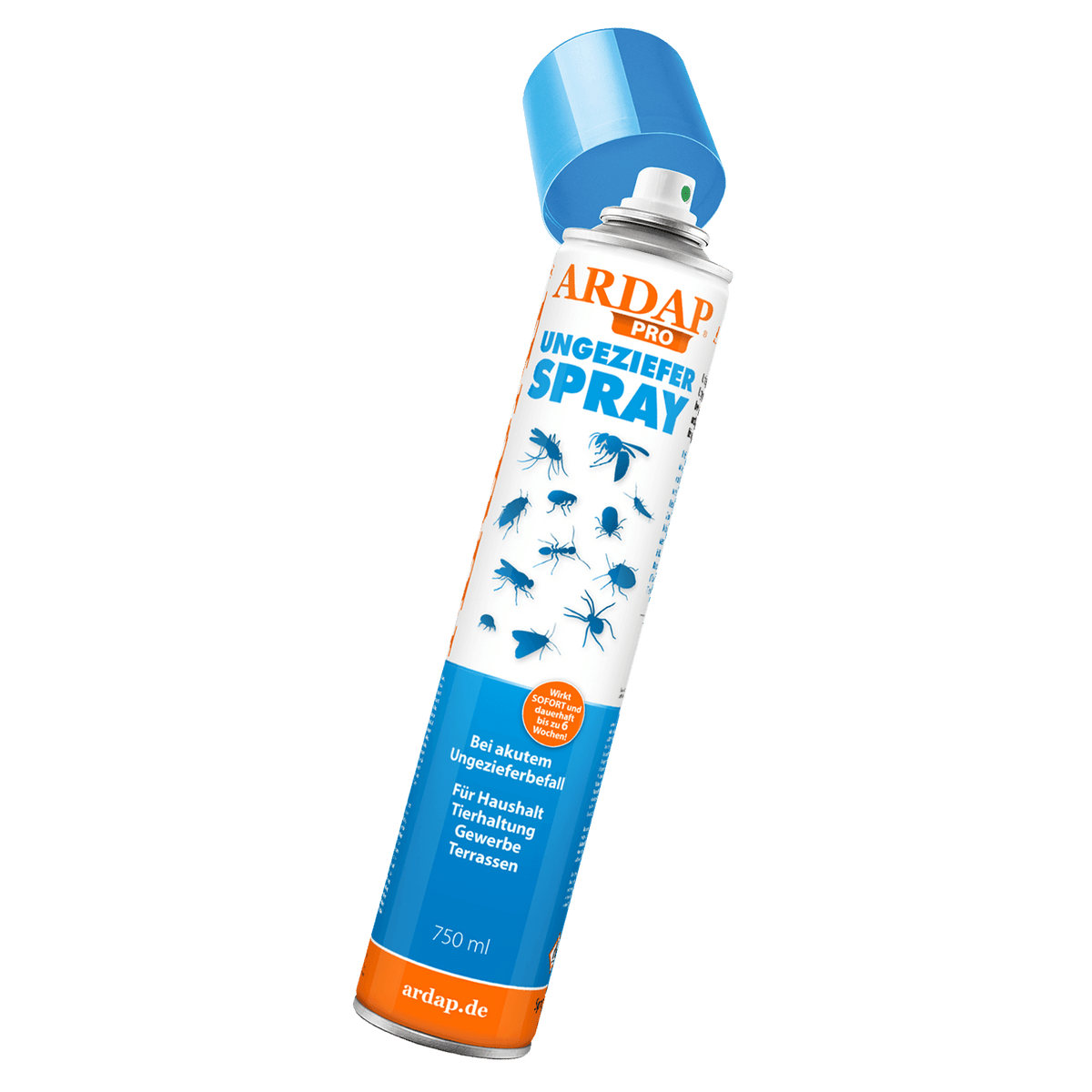
The ARDAP Pro ant spray offers an effective solution for larger, acute ant infestations in the home or around the house. This spray can be targeted at ant trails, nests or the ants' preferred routes and takes effect immediately upon contact, with a single application providing a long-lasting effect of up to six weeks. It can be used outdoors on terraces and paths around the house, as well as indoors in areas such as the basement or kitchen. Thanks to the practical spray bottle, ants and their nests can also be reached in hard-to-access cracks and crevices.
Ant control products
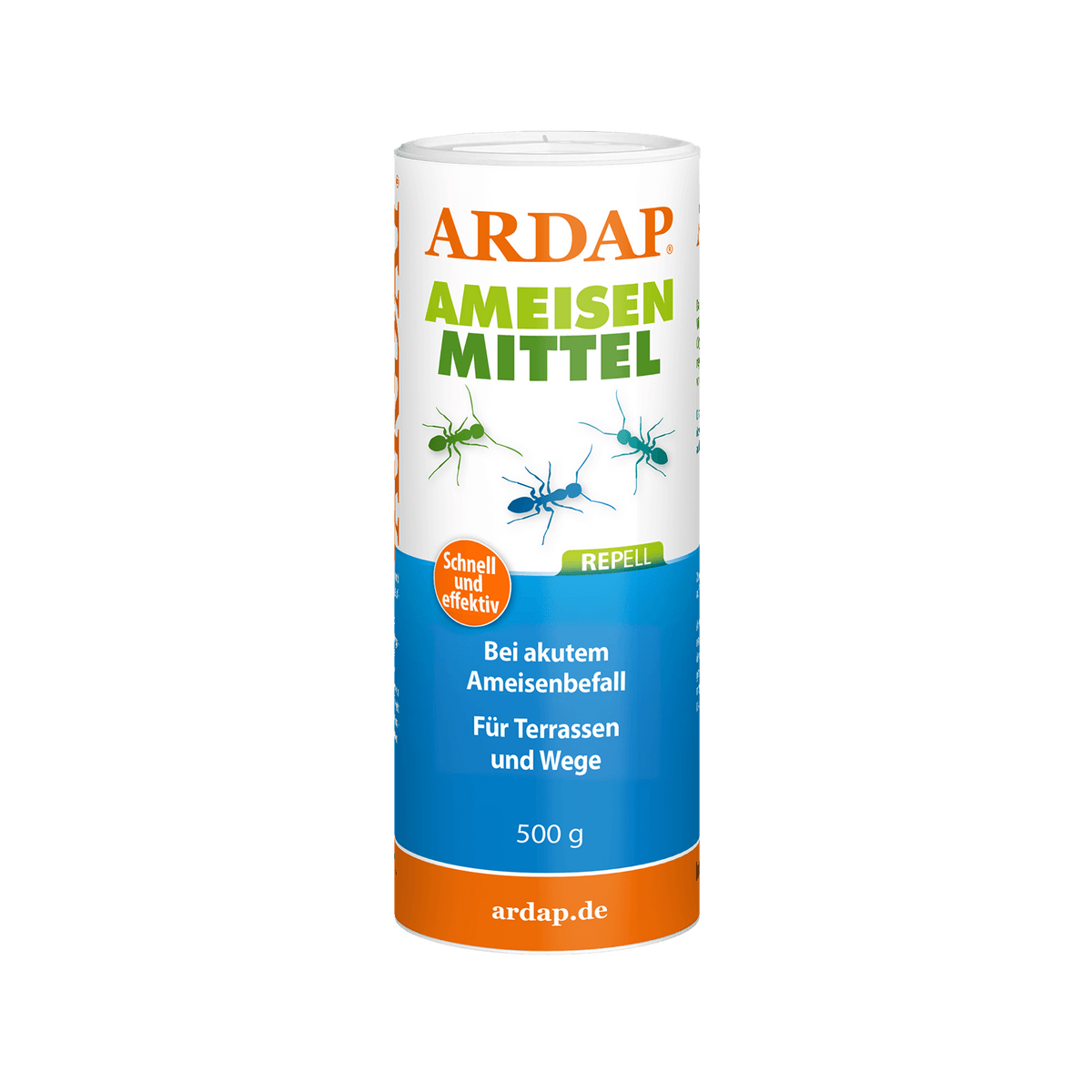
The ARDAP Repell ant control product, available in a handy 500 g sprinkle box as well as in a large container (3 kg bucket), is ideal for the targeted deterrence of ants on paths, terraces and paving stones. It is sprinkled evenly over the affected areas and reliably deters ants. The repellent active ingredient pyrethrum from chrysanthemums prevents ants from entering the treated areas and building nests there. The sprinkle product is particularly suitable if you want to deter ants from the house and its immediate surroundings.
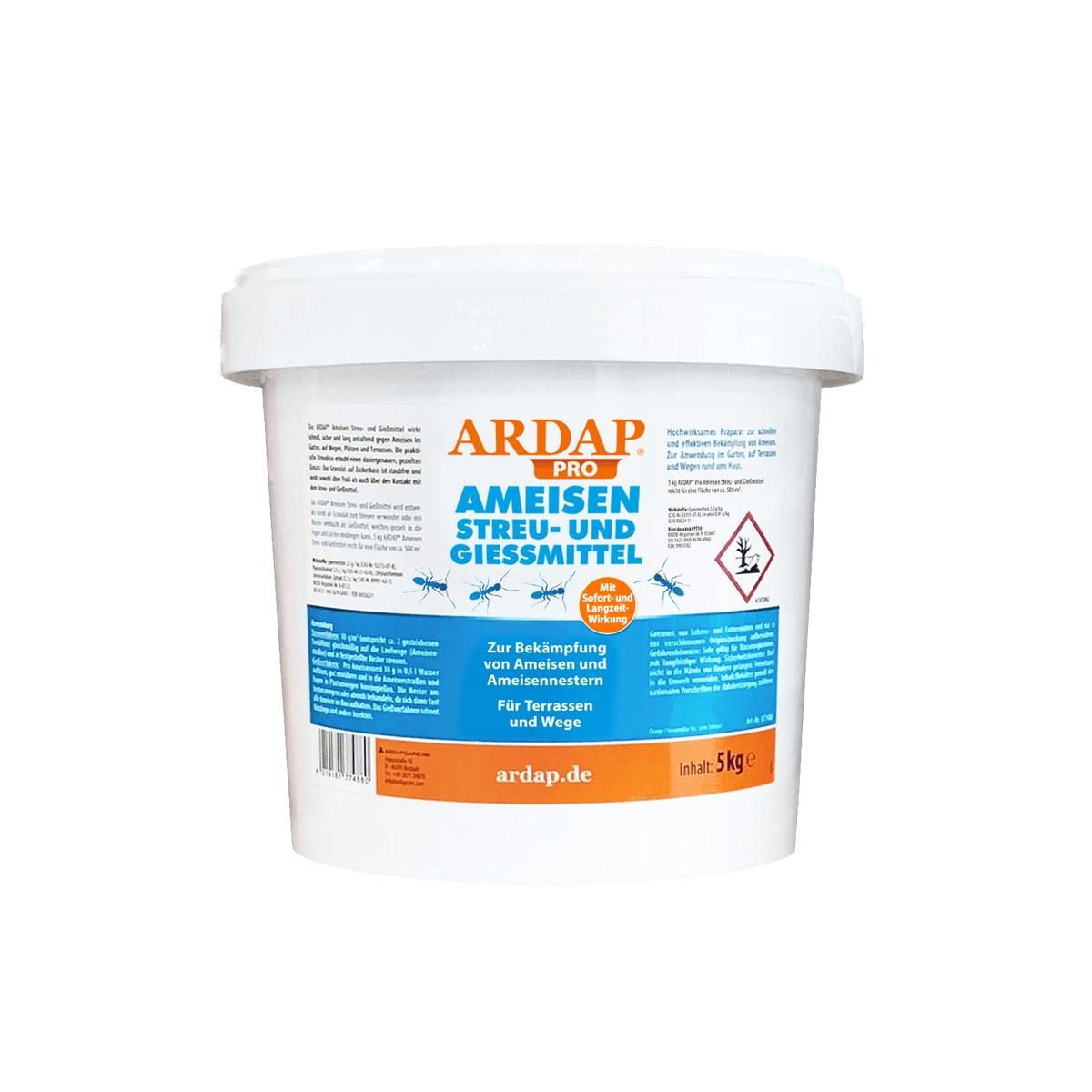
The ARDAP Pro ant sprinkle and watering product offers a long-lasting approach to ant control and is specifically designed for use outdoors where ants occur in large numbers and have already caused damage. Thanks to its formulation, the product can be flexibly sprinkled on ground surfaces, terraces or driveways, or poured on. Direct contact with the ants controls the ants and their nests. It is particularly practical that the product can be used either sprinkled dry or mixed with water to create a watering solution, allowing even shallow cracks or hard-to-reach areas to be treated right down into the ant nest.
Ant bait boxes
For the effective control of ants and ant nests in the house, basement or outdoors (e.g. on terraces, balconies and paths), we recommend using ARDAP Pro ant bait boxes. They contain a highly effective bait with a strong attractant effect that draws ants in and is carried by them into the nest. There, the ant colony is controlled directly at the source. Within just a few days, the nests of various ant species have perished (e.g. Pharaoh ants, lawn ants, carpenter ants). Nests of the black-and-grey pavement ant can be successfully controlled within 2–3 weeks.
Conclusion
Ants occur in many different species, which differ in their behaviour, habitat and preferred nesting sites. Especially around the house and in garden areas, they can become a persistent problem if they find suitable food sources or shelter. It is therefore crucial to use a combination of preventive measures and the targeted control of an acute ant infestation, taking nests and thus the entire ant colony into account. By storing food in sealed containers, cleaning regularly, and sealing and spraying potential entry points with the repellent products from ARDAP Repell, you significantly reduce the risk of an ant infestation. In cases of excessive ant activity, suitable measures help to reliably stop the spread of pests and to target the affected areas against ants. With suitable products from ARDAP, acute ant problems can be effectively eliminated, so that your living environment remains protected from ants in the long term.
Frequently Asked Questions
An ant infestation in the home is usually indicated by visible ant trails or individual ants deliberately searching for food.
Fine debris at joints and edges can also indicate that a nest is nearby. Since ants use highly structured paths, they rarely appear randomly, but rather follow fixed routes between the nest and food source.
Ants enter buildings because they perceive them as having suitable food sources or sheltered areas. They are particularly attracted to exposed food, sweet residues, or pet food. Since ants can enter through the smallest crevices, even a tiny opening is enough for them to gain access to kitchens or storage rooms. You can prevent this by spraying potential entry points with ARDAP Repell Ant Spray, deterring ants before they even enter the building.
In Germany, the black garden ant (Lasius niger), Pharaoh ant (Monomorium pharaonis), and carpenter ant (Camponotus ligniperda) are particularly prevalent as significant pests. These species differ in their habitats, nesting behaviors, and potential for damage, but can cause challenges and damage both indoors and outdoors.
You can prevent ants from entering your home or terrace by consistently storing food away, removing sweet residues and crumbs, and sealing up potential entry points. As ants respond very quickly to food sources, a tidy and clean environment significantly reduces the risk. Prevention can also be supported in sensitive areas such as doors, window frames, or terrace joints by using ARDAP Repell ant spray. The spray acts as a repellent and helps make preferred routes unattractive, curbing a renewed influx of these pests. Additionally, ARDAP Repell ant treatment can be used to provide preventive protection for outdoor and access areas and prevent further activity from the pests.
If ants continue to appear despite preventive measures, you have an active ant infestation that must be specifically targeted. Simply cleaning or removing individual ants is not enough, as ant structures are very stable and nests can also be hidden. In such cases, control products from the ARDAP Pro range, specially developed to reliably stop ant infestations, are of great help. The highly effective, long-lasting products include the ARDAP Pro Ant Spray, the ARDAP Pro Scatter and Pouring Product, and the ARDAP Pro Ant Bait Box. These products help effectively eliminate entire ant colonies.
What our customers say?
It works!
Excellent remedy for ants – Instant results!
Bullseye!
Discover ARDAP ant control products

Bestseller
Our most popular products


Use biocidal products carefully. Always read the label and product information before use.
Our tip for a quick solution
