Together with our expert Prof. Dr. med. vet. Norbert Mencke, specialist veterinarian for parasitology, we offer you support in the event of an infestation by green flies and other insects in the home.
- Green Fly - Blowfly in Golden Attire
- Excursion Lacewings - Small Green Flies
- Are Green Flies Dangerous?
- Preventive Measures Against a Blowfly Infestation
- All That Glitters Is Not Gold: Reliably Repelling or Controlling Green Flies
- Conclusion
Green Fly - Blowfly in Golden Attire
The specific dangers posed by flies depend on the species. The green fly is particularly critical in this regard because it also acts as a health pest. It is therefore important to reliably identify this species of fly so that you can assess any danger in good time.

The Green Fly: How to Identify the Blowfly
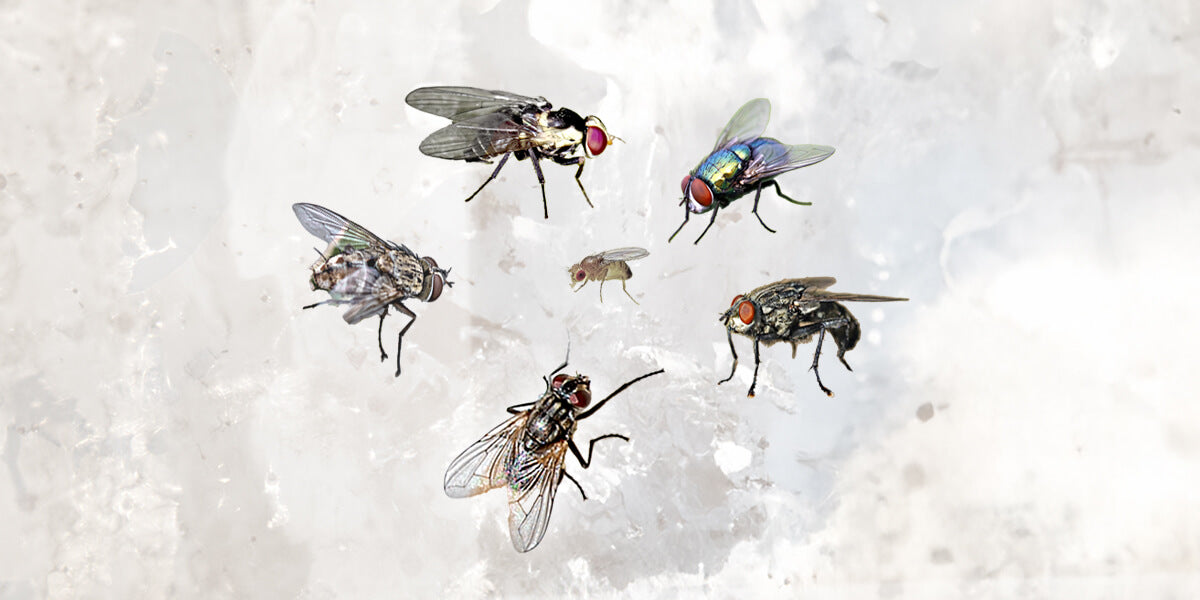
The “green fly” is a synonym for the blowfly (Lucilia sericata). It owes its name, of course, to its green appearance. This species of fly shimmers in an intense golden-green color, which can also be described as metallic green. Other distinctive features of the green fly include its large reddish compound eyes. Furthermore, its body, up to eleven millimeters long, is covered with fine hairs, giving it a velvety appearance.
Occurrence and Lifestyle of the Green Fly
The green fly belongs to the family of blowflies (Calliphoridae) and is found worldwide. However, it prefers temperate climates and is therefore found in Europe and North America, as well as in Asia and Australia. It is frequently found in urban and rural areas.
It is useful to know the typical habitats of the green fly or blowfly. It is attracted to organic materials and therefore frequents, for example, the vicinity of garbage cans and compost heaps. These insects also find food sources in gardens and parks. They are quickly attracted by open food and waste, and in their search for food, they also fly into our homes.

3 in 1: Stops unpleasant odors
Can prevent maggot and fly infestations
Removes moisture from waste
To the productReproduction and Life Cycle of the Blowfly
Green flies lay up to 700 eggs per female. One clutch consists of up to 150 eggs. In the larval stage, these insects have mouth hooks for feeding and have an ivory color. Larval hatching occurs after approximately 12 to 72 hours. These flies prefer to lay their eggs on fermenting and decaying animal-based food scraps, such as animal carcasses. The three larval stages last 8–10 days. Overall, flies undergo a complete metamorphosis from egg and larva to pupa and finally to the adult.
One of the blowfly's special features is its keen sense of smell. It can therefore detect suitable places for laying its eggs from several kilometers away. Since the insects reproduce quickly, you should be particularly careful in the event of an infestation and initiate repulsion or control as soon as possible. Otherwise, the infestation can quickly get out of hand.

Two Blowfly Genera That Are Easily Confused
Blowflies are found worldwide with over 1,000 species. These include the blowfly or green fly, which alone counts over 40 different species. There are also, for example, blue blowflies (Calliphora vomitoria or Calliphora vicina), which can easily be confused with the green fly because they shimmer blue to blue-green. The green fly (blowfly), particularly the species Lucilia sericata, is found mainly in the Northern Hemisphere and is somewhat smaller, measuring 5–11 millimeters. In contrast, blue blowflies (Calliphora vomitoria or Calliphora vicina) measure 9–13 millimeters. In addition to their dark blue bodies, they also have a hairy head and hairy wings on the upper side.
All blowflies, whether green, golden, or blue, also always pose a hygiene and health risk.

Excursion Lacewings - Small Green Flies
It is possible to confuse the green fly with the small green fly, the lacewing. Therefore, the latter deserves a closer look. It is not unusual to encounter lacewings in the home, especially during the cold season. The adult insects retreat into buildings to overwinter and hide, for example, in roller blind boxes, behind curtains, or behind pictures. Light sources attract them and entice them to fly briefly through the room. It is nice to provide this species of fly with shelter during the winter, as it is a beneficial insect. The lacewing preys on aphids and other pests and, unlike the blowfly, poses no problem for humans.
Are Green Flies Dangerous?
Green flies are pests that you should not underestimate. They can cause many problems and should therefore be eliminated as quickly as possible. We will tell you what dangers these insects pose.

Blowflies as Hygiene Pests
Green flies (blowflies) are certainly a nuisance and pose a serious hygiene impairment in living spaces, kitchens, or food processing facilities by contaminating food and causing maggot infestations. Green fly females deliberately lay their eggs on animal-based foods and are not even deterred by refrigerators and cold rooms.
However, the risk of infestation by green flies can be minimized through preventive measures and good hygiene.
Blowflies: Feared Health Pests and Disease Vectors
Blowflies, to which the blowfly or green fly belongs, are also among the dangerous health pests. Particularly problematic is the close contact of green flies with waste, excrement, and animal carcasses. Through their feet or also salivary secretions, green flies leave veterinary and human pathogenic germs on food and surfaces. In this way, germs can be transmitted that cause serious diseases, such as:
- Typhus
- Paratyphus
- Dysentery
- Diarrhea
- Cholera
In midsummer, blowflies (or green flies) can be responsible for the transmission of germs that cause diarrheal diseases. Green flies such as the blowfly frequent wastewater, garbage, carrion, and feces, and come into contact with numerous pathogens here. If they then land on food, dishes, or kitchen surfaces, contact transmission of the pathogens can occur. Green flies thus pose a considerable risk factor to our health. Under no circumstances should these pests be allowed to spread in the home or house.
Preventive Measures Against a Blowfly Infestation
Prevention is a sensible measure when it comes to avoiding a fly infestation. We will show you simple steps you can take to reduce the risk of infestation by green flies in advance.

Waste: A Clean Matter
Waste stored in garbage cans, such as organic materials, attracts flies. Open garbage cans are therefore not a good idea. A fly infestation can quickly arise in the organic waste bin, for example, because the conditions here are ideal. It is important to remove moisture from the bins and prevent odors from forming. The ARDAP Organic Waste Bin Powder is particularly useful here and reduces mold and decay formation. It is a sprinkleable granulate that binds moisture and can also be used in composting systems.
Food: Eat Immediately or Seal Properly
Green flies and other species of flies prefer to lay their eggs in food and decaying organic material. They contaminate the food with germs and can transmit serious pathogens through contact and contamination. It is therefore important not to leave food out in the open, but to eat it immediately or seal it properly. Order and cleanliness are crucial if you want to avoid a fly infestation. Anything that can spoil easily should preferably be stored in the refrigerator.

Comprehensive Hygiene Measures
Make it a habit to clean surfaces in the home regularly. This applies especially to the kitchen and work surfaces. There should be no food residue, as this quickly attracts blowflies. Dispose of waste regularly as well, so that it does not sit around for too long and attract flies.
In principle, you should do everything possible to make the habitat for flies as unattractive as possible. This also includes drying damp areas. However, all these measures are only for prevention. For targeted repulsion or effective control, you should turn to professional products from specialist retailers.
All That Glitters Is Not Gold: Reliably Repelling or Controlling Green Flies
One widely used method for eliminating green flies is the application of mechanical methods. Fly swatters and fly screens are well known, of course. You can use fly screens preventively to keep pests out of your home in the first place. With fly swatters, you can eliminate individual insects, but this does not replace a thorough and hygienic approach under any circumstances. If you want to reliably repel or systematically control flies, special products from specialist retailers are the better choice.

Effective Repulsion of Blowflies
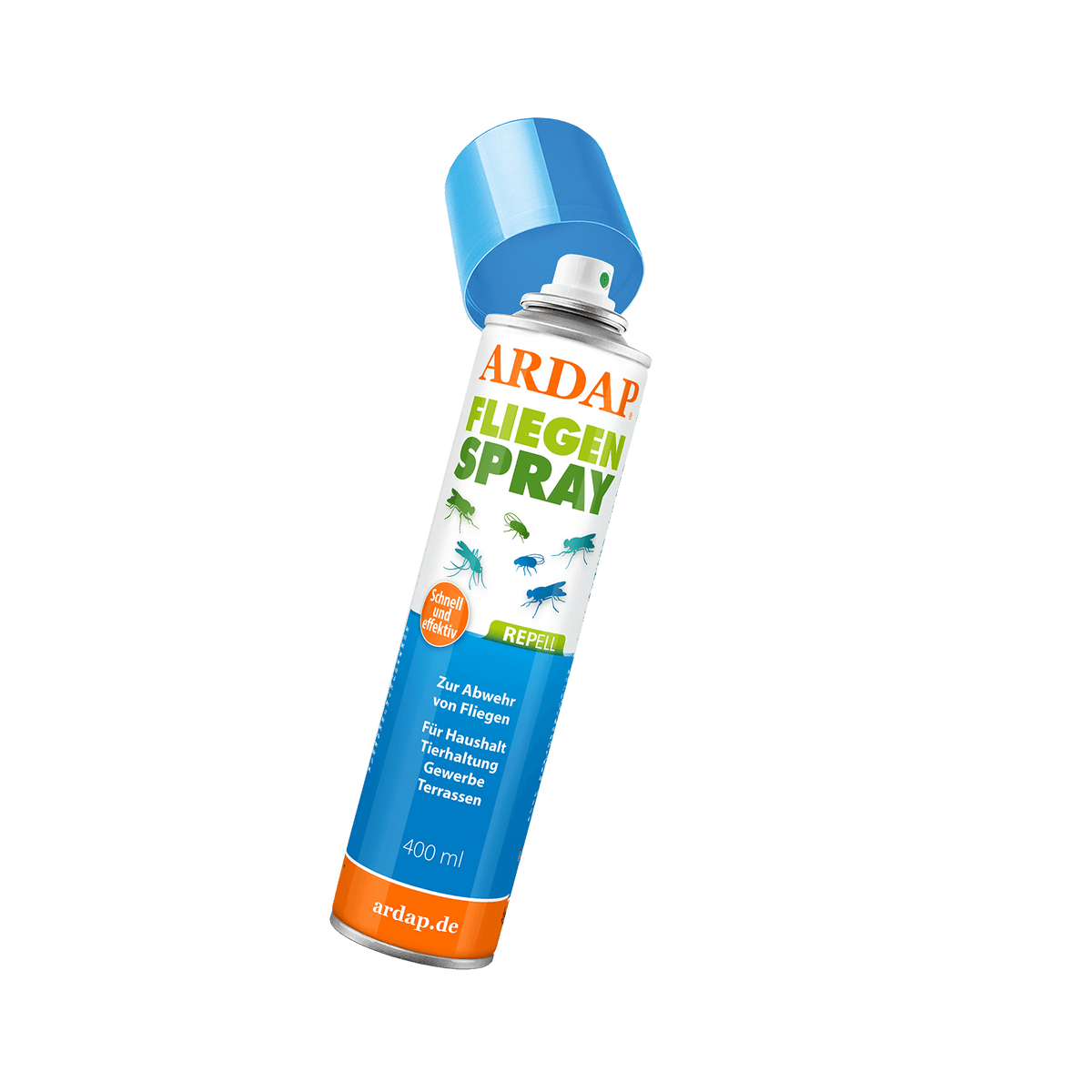
Green flies (blowflies) often enter our homes through certain areas. The doors and window frames are particularly affected, as well as the most common entry points for flies. The flies' preferred habitats also include the kitchen and dining areas, as well as the garbage can and compost. Wherever the insects find food, moisture, and warmth, they are happy to settle. It is therefore a good idea to use an effective spray exactly here to repel the pests.
The ARDAP Repell Fly Spray is a highly effective repellent. It was developed especially for repelling flies and is ideal for use in the home, in animal husbandry, on the patio, and in commercial areas.


Targeted Control of the Blowfly
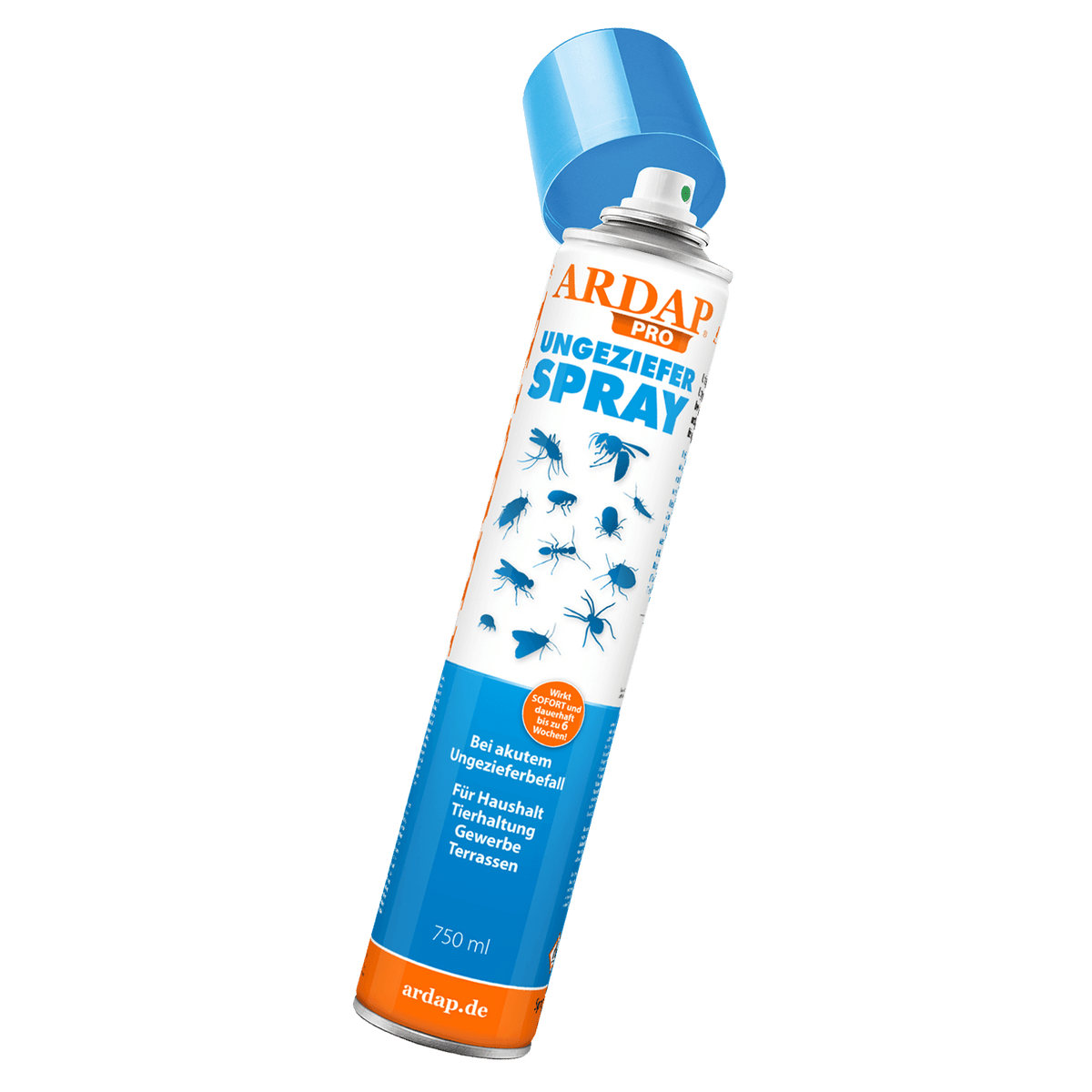
In the event of an acute fly infestation, the immediate and long-term effect of the product used for control is crucial. Now the goal is to contain the infestation as quickly as possible. That is exactly what the ARDAP Pro Pest Control Spray is designed for. It is a professional product against flies and green flies with a lasting effect of up to six weeks.
The ARDAP Pro Pest Control Spray is a highly effective stomach and contact insecticide and a proven problem solver. In addition to flies, it can also be used against other pests and nuisances such as cockroaches, moths, mosquitoes, silverfish, or ants. You can use it specifically and spray the product where the insects prefer to stay. As soon as they come into contact with the sprayed surface, the spray begins to work.
Conclusion
Flies have no place where we live, eat, and work. This also applies especially to the blowfly, also known as the green fly. It is an unpleasant hygiene and health pest that can cause diarrhea and other serious illnesses. Fortunately, with the ARDAP Repell Series for repulsion and the ARDAP Pro Series for control, there are effective products to stop an infestation quickly. Corresponding products should always be kept handy so that you can act immediately and protect yourself and your family.