- The Oriental cockroach - on the rise in Germany
- Is the Oriental cockroach dangerous?
- Controlling the Oriental cockroach – effectively with products from specialist retailers
- Conclusion
The Oriental cockroach - on the rise in Germany
Although the Oriental cockroach (Blatta orientalis) reproduces slightly more slowly than the German cockroach, it is nevertheless on the rise in our latitudes - as are other cockroaches in Germany. Here you will find out everything important about the origin, appearance and lifestyle of these pests.
Where does the Oriental cockroach come from?
The Oriental cockroach belongs to the globally occurring cockroach species and thus poses a problem in many countries. It probably originally comes from North Africa or Asia. Its spread depends on the temperature. These pests feel comfortable where it is warm and damp. They therefore prefer to seek out cracks and crevices in walls. They can also be found under the toilet, around sanitary fittings, behind sinks, showers and bathtubs. Like many other cockroaches, they also frequent the kitchen, especially near the refrigerator, stove or waste container.

But we can encounter the Oriental cockroach not only in our private homes and apartments, as it also seeks out bakeries, slaughterhouses and dairies, as well as breweries. It can also be found in hospital kitchens, boiler rooms or indoor swimming pools. This already shows that this cockroach species is quite adaptable and can spread successfully in many places. This makes it all the more important to be prepared for an infestation and equipped for fast and effective control.


Appearance and size of the Oriental cockroach
In terms of size, the Oriental cockroach is between the German cockroach (Blatella germanica) and the American cockroach (Periplaneta americana). It is between 22 and 30 millimetres long. Fully grown females can sometimes even measure up to 32 millimetres and adult males up to 25 millimetres. This cockroach species exhibits so-called sexual dimorphism. Females only have vestigial wings at the front, while they are completely missing at the back. In males, however, the wings cover about three-quarters of the abdomen. Thus, it is easy to tell males and females apart. Despite the different wing characteristics, however, both sexes of this species are flightless. The cockroaches therefore only move on the ground.

A uniform dark brown to brownish-black colour characterises the appearance of these pests. The pronotum, however, shows no particular colouration. This makes it easier to distinguish from the German and American cockroaches, as they have dark longitudinal stripes or dark brown spots on the pronotum.
Occurrence, lifestyle and diet
In the Oriental cockroach, larvae hatch from eggs that are contained in so-called oothecae. These are egg cases containing an average of 15 eggs. The females carry these cases on their abdomen for about 24 hours. The Oriental cockroach larva hatches after about 1.5 to 2 months, depending on the ambient temperature. After that, it goes through five larval stages. The larvae look very similar to fully grown (adult) cockroaches. The entire development takes two to six months. These cockroaches can feed on almost anything, including waste or food scraps, as well as many other organic materials.
This cockroach species typically seeks out hiding places close to the ground. The following areas are preferred retreat places:
- Drainage pipes
- Pipe shafts
- Wall cracks
- Door frames
- Wall panelling

You can also recognise an infestation of Oriental cockroaches by their characteristic unpleasant smell. It is repeatedly described that this cockroach species gives off the worst smell of all cockroaches. This can be described as oily, sooty, mouldy and musty. The smell comes from the cockroach droppings as well as the oleic acid that the cockroaches use to communicate with their own kind. For this reason alone, you will want to counteract an infestation as quickly as possible.
Is the Oriental cockroach dangerous?
The Oriental cockroach, like other cockroach species, poses considerable dangers. These include compromised hygiene, the transmission of pathogens, and the damage to materials.

Health hazard
The Oriental cockroach is classified as a health hazard under Section 2 (12) of the Infection Protection Act and can transmit dangerous pathogens that can lead to the following diseases:
- Bacterial diseases: cholera, typhoid fever, tuberculosis, typhoid fever
- Viral diseases: hepatitis B, polio
- Mycoses: mould spores
It is therefore completely unacceptable for these pests to be present and spread in our private or commercially used premises. Studies have also shown that pathogens can remain attached to the cockroach body for up to three days. During this time, they are infectious, are spread throughout the premises, and are therefore very dangerous. Timely control is therefore absolutely essential. The earlier you intervene, the better you can avoid health risks.
Hygiene hazard
In fact, Blatta orientalis is a major hygiene hazard. For example, food contamination is possible in a variety of ways. This occurs through the droppings, saliva, or moulting remains of these insects. If contamination occurs, the food is no longer fit for consumption and is harmful to health. In addition, cockroaches produce allergens and can trigger asthma attacks, especially in children.
The Oriental cockroach thus poses a serious hygiene problem in practically all buildings. This includes hospitals, restaurants, and food processing facilities in particular. Since this cockroach species endangers health and can seriously compromise hygiene standards, an infestation must be dealt with consistently. It is therefore good that you can access suitable control products promptly. With the ARDAP Pro Series, highly effective products are available to you, which we would like to examine in more detail here in terms of their possible uses.

For acute infestations with pests, cockroaches, and fleas
Controls all life stages, including eggs, larvae, and pupae
Works immediately and lasts for up to 6 months
Go to productMaterial hazard
Cockroaches such as the Oriental cockroach also occur as material hazards. For example, the insects can crawl into technical systems and damage them. Electrical devices can also be affected by damage caused by the insects.

A certain behaviour of the cockroaches further exacerbates the problem: this is known as aggregation. Unlike ants, for example, cockroaches do not build nests. Nevertheless, large numbers can gather in their hiding places. This is possible because the insects can communicate with each other by releasing pheromones. If cockroaches gather in large numbers in one place, such as in a technical system, they can naturally cause more damage. This must be prevented early on.
Controlling the Oriental cockroach – effectively with products from specialist retailers
The urgently required control of the Oriental cockroach should be carried out using professional products from specialist retailers. Home remedies are by no means effective here and therefore should not be recommended. A combination of baits, foggers, and sprays has proven effective, as its special mode of action reliably and comprehensively controls the pests.

Baits for pests
Bait boxes are easy to use and are useful not only against cockroaches. Silverfish and firebrats can also be reliably controlled with them. The ARDAP Pro Silverfish Bait Box contains a novel bait gel with a strong attractant effect, which the insects take in, carry to their hiding place, and die there. Furthermore, the poison can be passed on to other members of the same species within the aggregations.
The ARDAP Pro Silverfish Bait Box works quickly, lasts for up to three months, and is suitable for the reliable control of cockroaches and silverfish.
Targeting favourite places
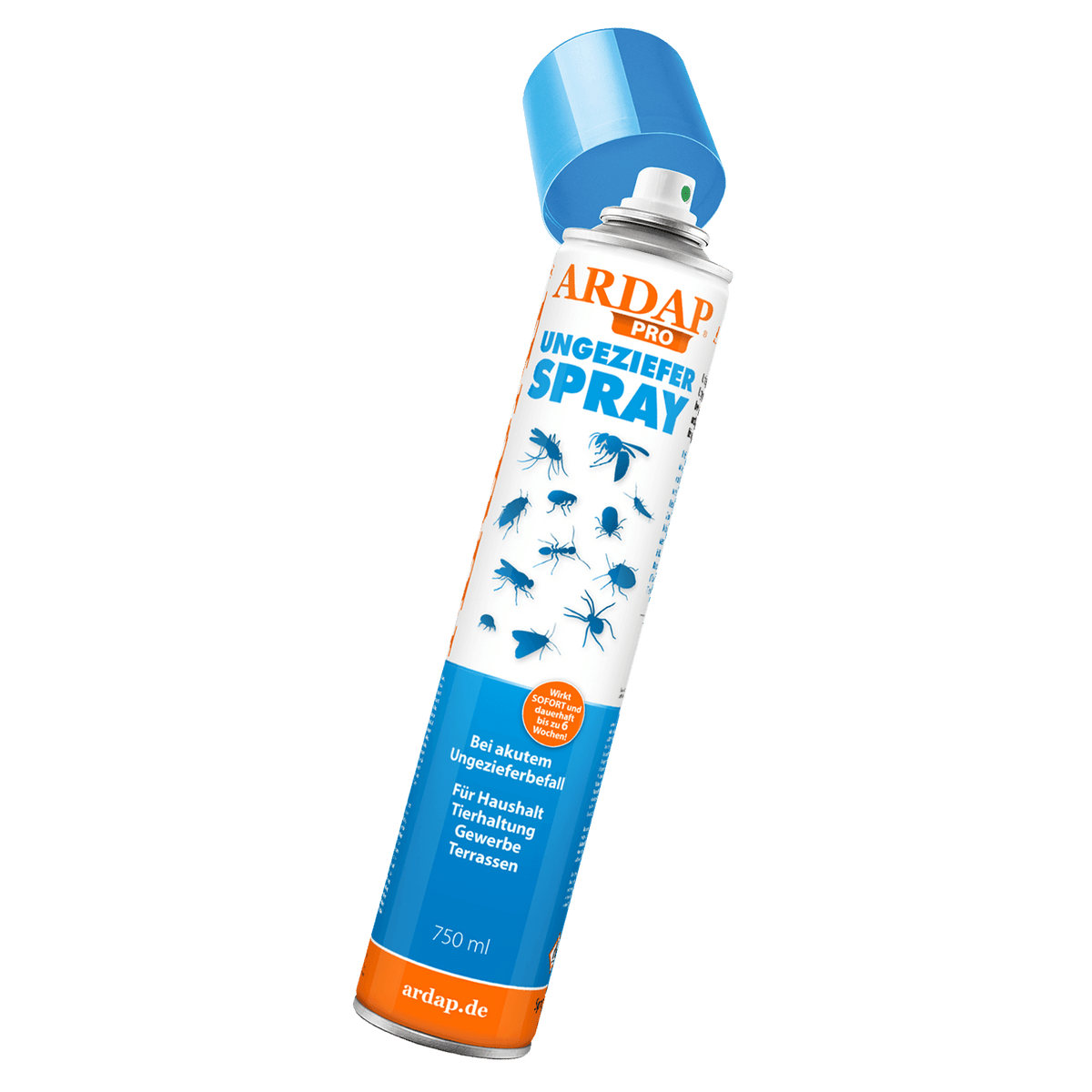
You will quickly notice that the cockroaches prefer to stay in certain places. Therefore, intensify control specifically in these areas. Sprays are particularly suitable for this, as they allow you to treat cracks, joints, and other hidden areas thoroughly and very precisely.
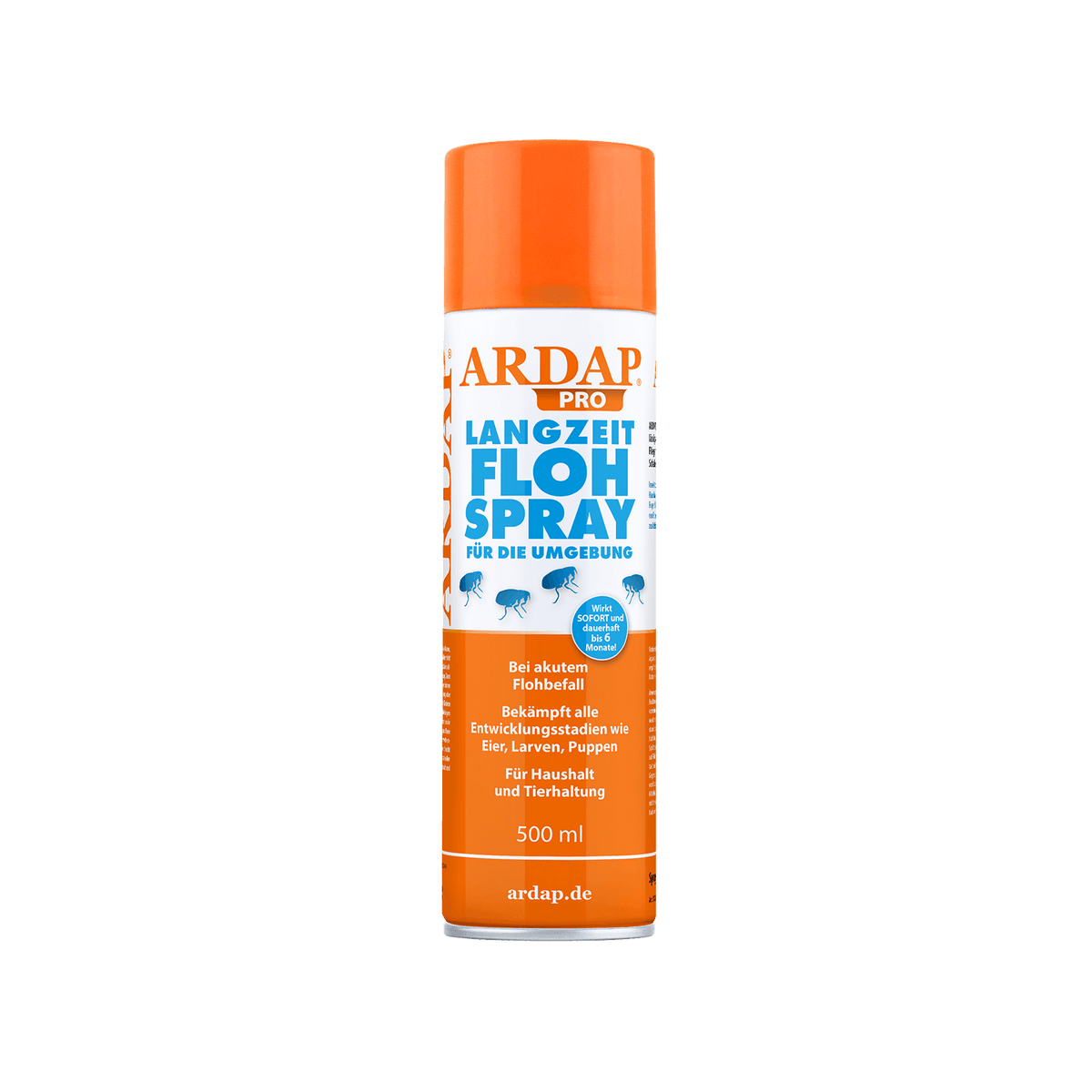
The ARDAP Pro Pest Control Spray provides a solution for the targeted control of cockroaches and silverfish, with an effect lasting up to 6 weeks. For very long-term control, use the ARDAP Pro Long-Term Flea Spray. The combination of insecticide and growth regulator has proven particularly effective. This gives you the opportunity to control both adult insects and their eggs and larvae. Crucially, it works for up to 6 months. This helps to prevent the population from spreading again.

At the touch of a button
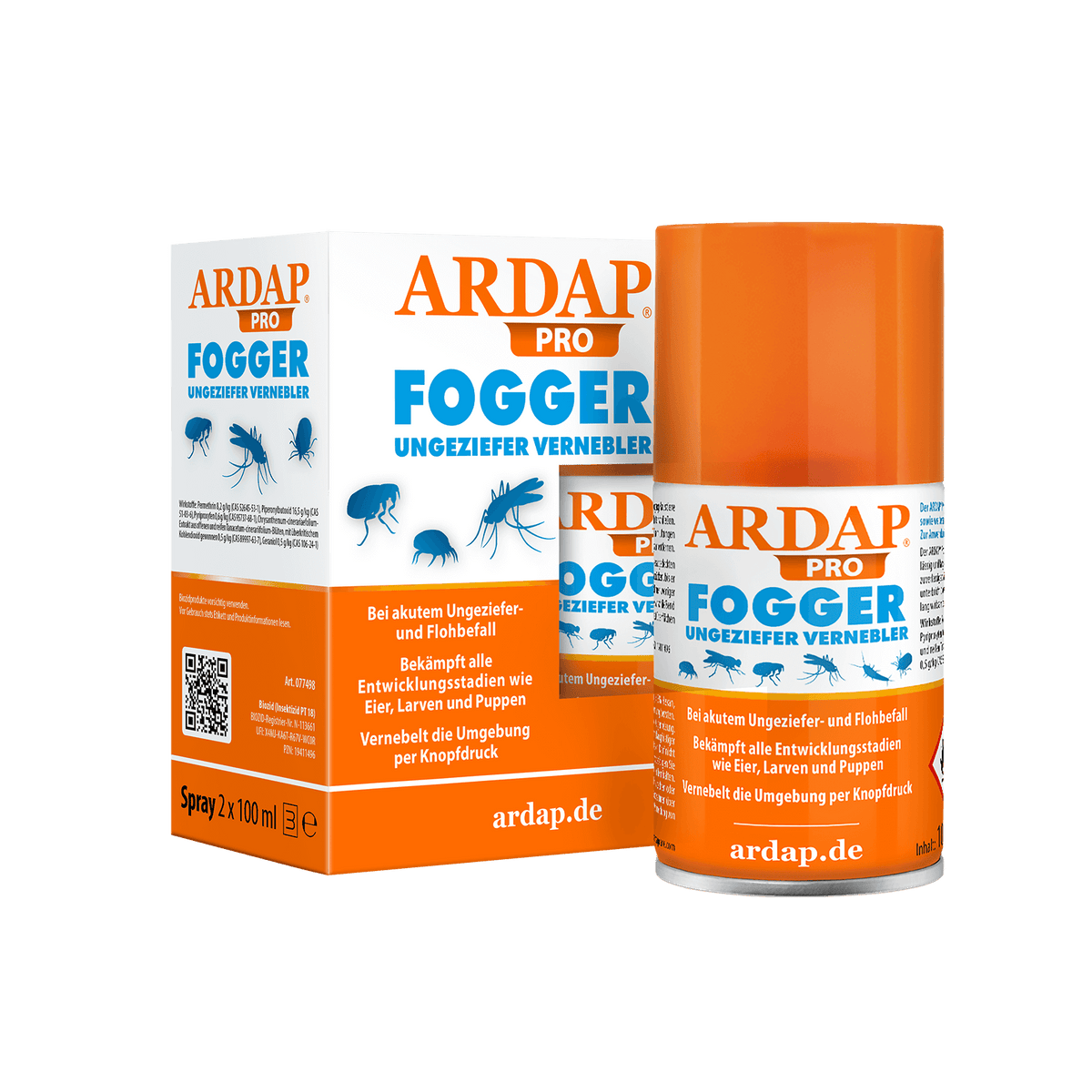
If you want to use a product against cockroaches to cover larger areas, foggers are ideal. They distribute the active ingredient throughout the room and are also very easy to use. You can place the ARDAP Pro Fogger in a central location and start the fogging at the touch of a button. This is particularly helpful if cockroaches have already spread everywhere and you expect to be dealing with a large population.
The ARDAP Pro Fogger impresses with an effect lasting up to 6 months and its wide range of applications. In addition to cockroaches, firebrats and silverfish can also be controlled with it throughout the room. The product is effective against eggs, larvae, and pupae, and therefore targets different life stages.
Conclusion
The earlier you start controlling Oriental cockroaches, the better the chances of success. The pests endanger health, hygiene, and materials, and give off an unpleasant smell. A combination of different measures is ideal, because cockroaches can unfortunately hide in even small cracks and crevices. If you use baits, foggers, and sprays, you can make the pests harmless in all life stages, no matter where they hide.