





The Tick: Profile of the Parasite
Ticks are small, blood-sucking parasites that occur worldwide and can transmit various pathogens. Especially in tick-risk areas, there is an increased risk of being infected with Lyme disease or FSME through a tick bite. The bloodsuckers can also be dangerous for pets. To effectively protect your cat or dog, you should therefore know and understand the tick well.
Our expert, Prof. Dr. med. vet. Norbert Mencke, as a specialist veterinarian for parasitology, has scientific expertise and a wealth of practical experience with ticks. With him, we have compiled the most important information about the appearance, lifestyle, and dangers of the tick for you and provide recommendations for tick protection.
All Tick Blog Posts:
Removing ticks from a cat
Removing ticks from dogs
Tick protection for cats
What are ticks?
Ticks feed on the blood of vertebrates (including humans). They belong to the class Arachnida, which also includes spiders and mites. Although ticks are found all over the world, not every tick species can survive in every environment. In Germany, the so-called “common wood tick” is by far the most common tick species. Therefore, if your dog brings back a tick from a walk in the woods or your cat picks up ticks in the garden, it is highly likely to be a member of this species.
Ticks cannot jump like fleas or attach themselves to a host’s hair or feathers like lice. Because they have no eyes, hard ticks such as the common wood tick are not active hunters. Instead, they lurk on low-growing plants and wait for a suitable host to pass by and carry them away. Once this has happened, the tick selects a thin-skinned, well-vascularized area. There, it inserts its piercing apparatus and uses its mouthparts (chelicerae) to cut through the skin, anchoring itself at the bite site with its backward-curving teeth (hypostome) to suck blood. Various substances in the tick’s saliva, among other things, numb the bite site.
What do ticks look like?
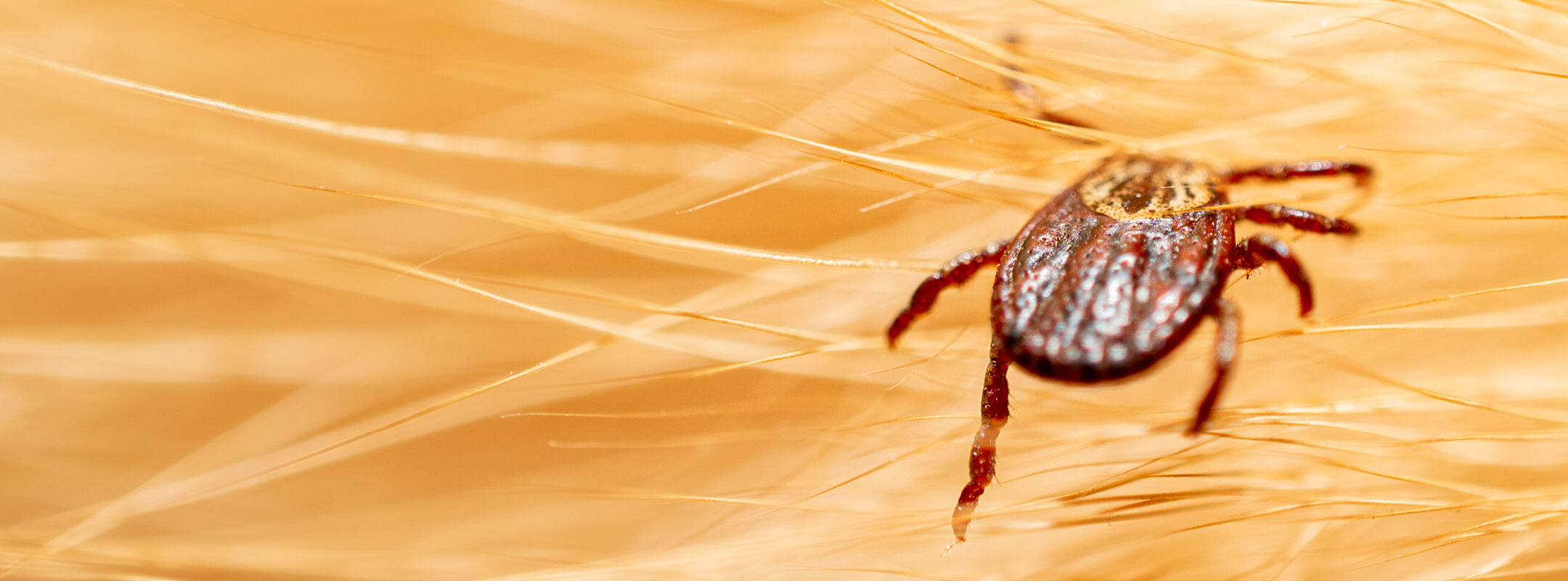
The tick’s body is flat and oval. In hard ticks such as the wood tick, the usually dark or black dorsal shield can be seen on top. Ticks have eight legs. The mouthparts are located on the front of the body, with which they bore into the skin and suck blood. Size and color vary depending on the tick species and stage in the life cycle. Young ticks (larvae and nymphs) are smaller and often lighter in color than adult ticks. In fully engorged female ticks, the body is greatly distended and therefore lighter, approximately medium to light gray in the case of the common wood tick.
Male ticks bite only to feed themselves. Females also need blood for successful reproduction. Therefore, they are generally slightly larger. When they are fully engorged, they can become more than twice as large. In the common wood tick, male specimens average around 2.5 mm in size. Unengorged adult female ticks are approximately 3.5 mm long and can grow up to 12 mm when fully engorged.
The tick’s life cycle
The life cycle of ticks includes several stages:
- Egg
- Larva
- Nymph
- adult (imago) tick
Depending on the species and environmental conditions, this cycle can last several years. Ticks reproduce by laying eggs after feeding on blood, often hundreds or thousands at a time, in protected environments (e.g., moist forest soil). After a few weeks, the larvae hatch and need another blood meal to molt and develop into nymphs. Nymphs are larger than larvae but are not yet sexually mature. Only after another blood meal can they develop into adult ticks.
Where are ticks found?
Ticks native to Germany prefer moist, wooded areas such as grasslands, forests, parks, and gardens. In tick risk areas, where particularly many ticks carry pathogens, people can protect themselves from tick-borne early summer meningoencephalitis (FSME) through vaccination. In Germany, southern Germany and parts of eastern Germany are among the risk areas.
What tick species are there?
In addition to the common wood tick, which is also known as the “red tick” because of its reddish-brown body, several other tick species live in Germany, including the brown dog tick, fox tick, and hedgehog tick (white tick). Other tick species are occasionally sighted that have traveled to Europe with migratory birds. However, there are no flying tick species. Although “flying ticks” are sometimes reported, these are actually deer lice flies, which are also parasites but are not related to ticks.
Is there a tick season?
In temperate climates such as Central Europe, the period from spring to autumn is often referred to as the tick season . In spring, ticks emerge from their winter dormancy, and when temperatures rise and humidity is high, they find ideal conditions for lurking, feeding on blood, and reproducing. Tick activity peaks in summer, when the conditions for their development are most favorable. As it gets colder in autumn, tick activity gradually decreases. But: Even though tick activity decreases at low temperatures, this does not mean that ticks are completely inactive. The increasingly milder winters in particular mean that there is a risk of ticks all year round. There is therefore no typical tick season. For this reason, you should therefore take care throughout the year to protect your pets from ticks. Continuous prevention and regular checks for attached ticks are key to comprehensive tick protection. If ticks have attached themselves, they should be removed quickly.
You should also carefully monitor the bite site for several days. Widespread or ring-shaped skin redness (“wandering redness”) can be a sign of a Lyme disease infection and must be examined by a doctor immediately.
Durch die Klimaerwärmung und die milder werdenden Winter haben Zecken inzwischen fast immer Saison. Unser Experte, Tierarzt Prof. Dr. med. vet. Mencke, empfiehlt daher auch für Haustiere einen ganzjährigen Zeckenschutz, etwa durch ein Zecken Spot-On für Katzen bzw. Zecken Spot-On für Hunde. Als Alternative können für Hunde und Katzen auch die Zeckenhalsbänder genutzt werden.
Discover Tick Repellents from ARDAP

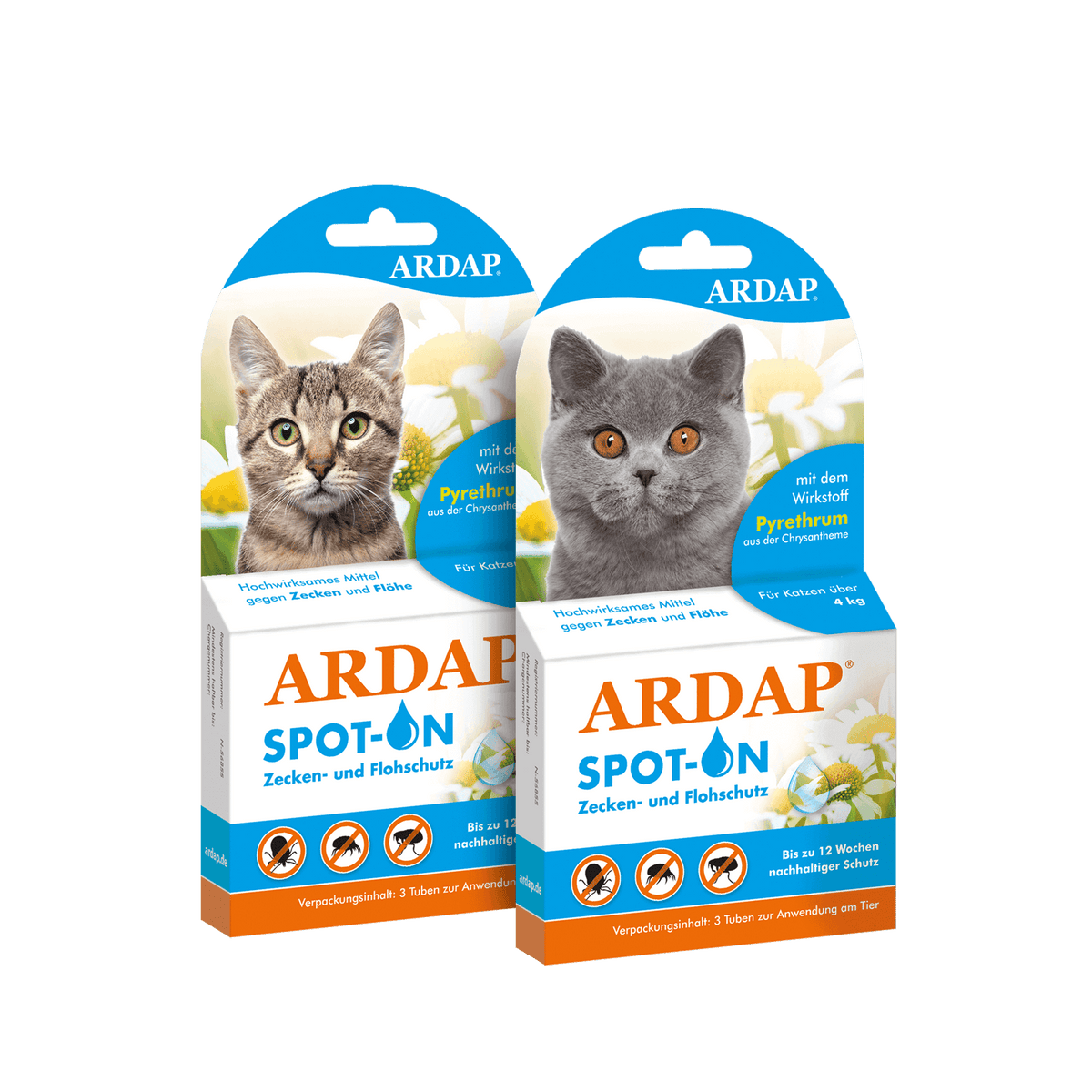
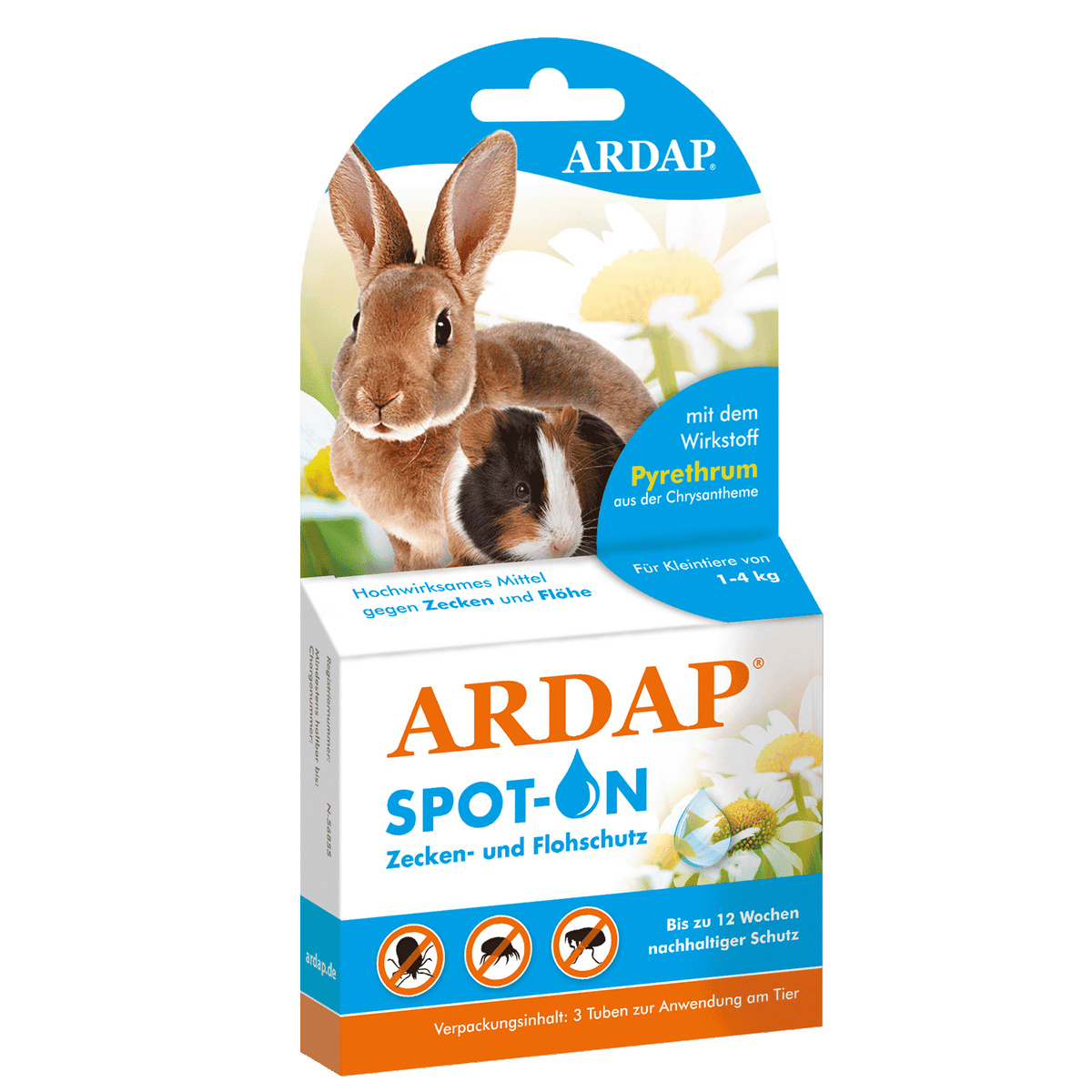
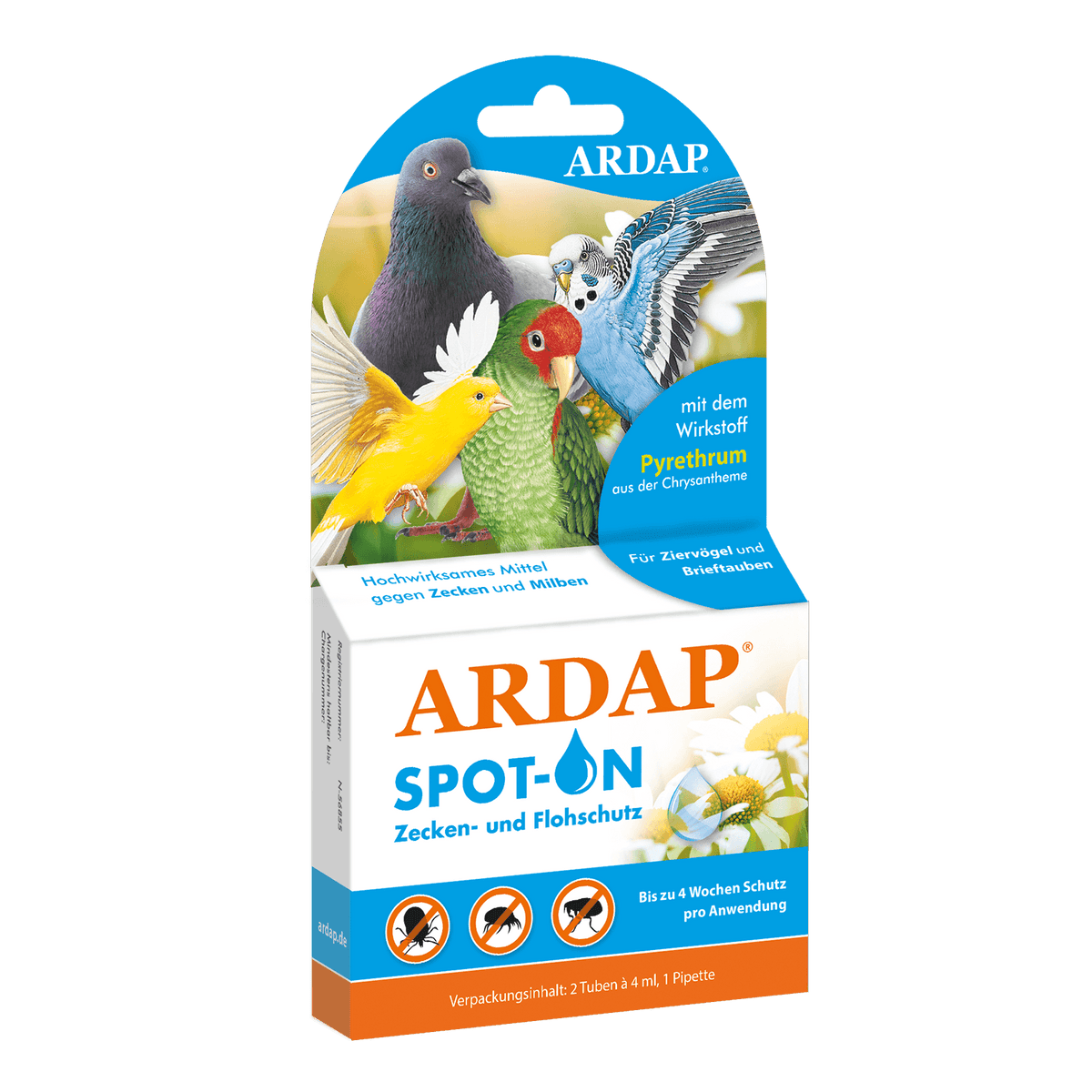


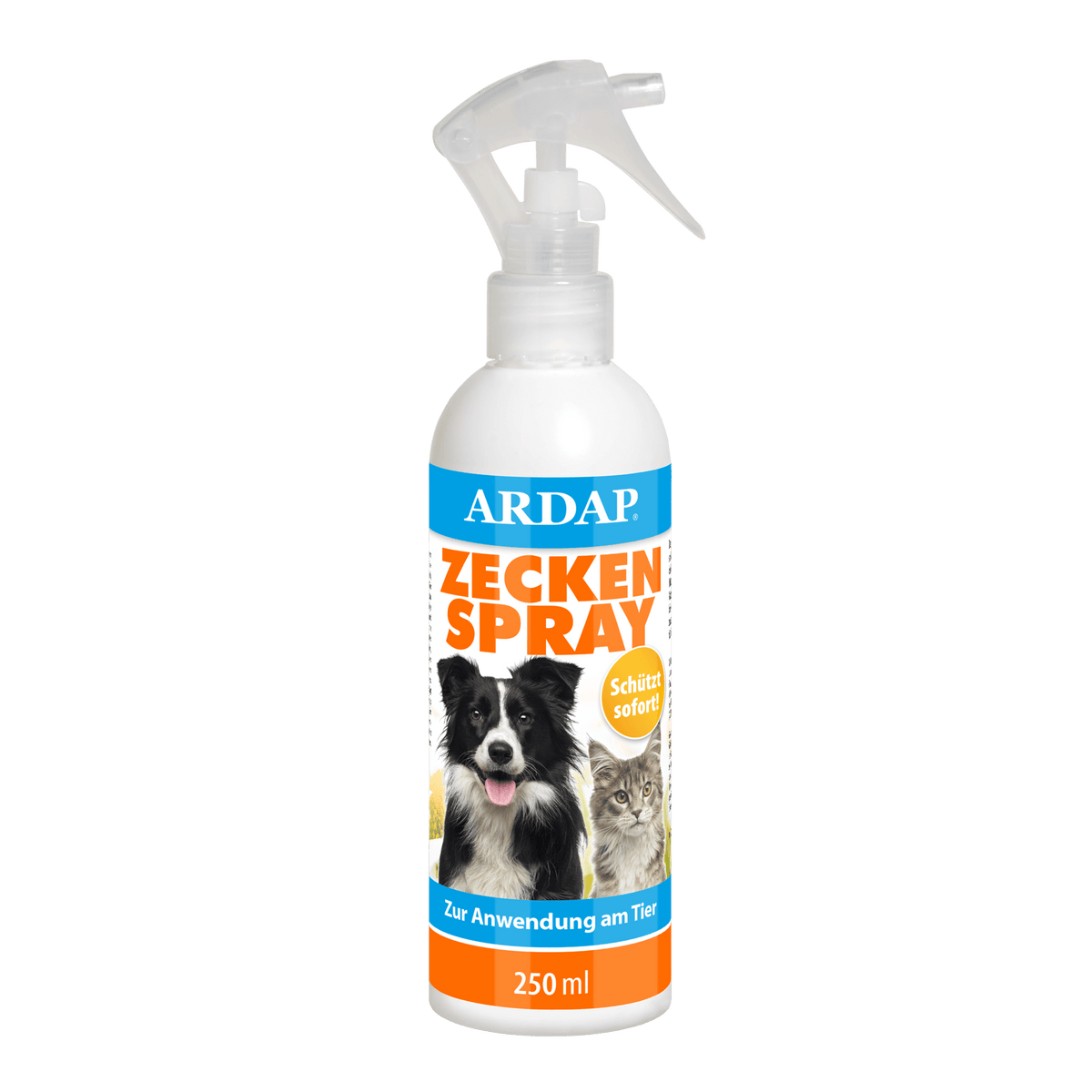
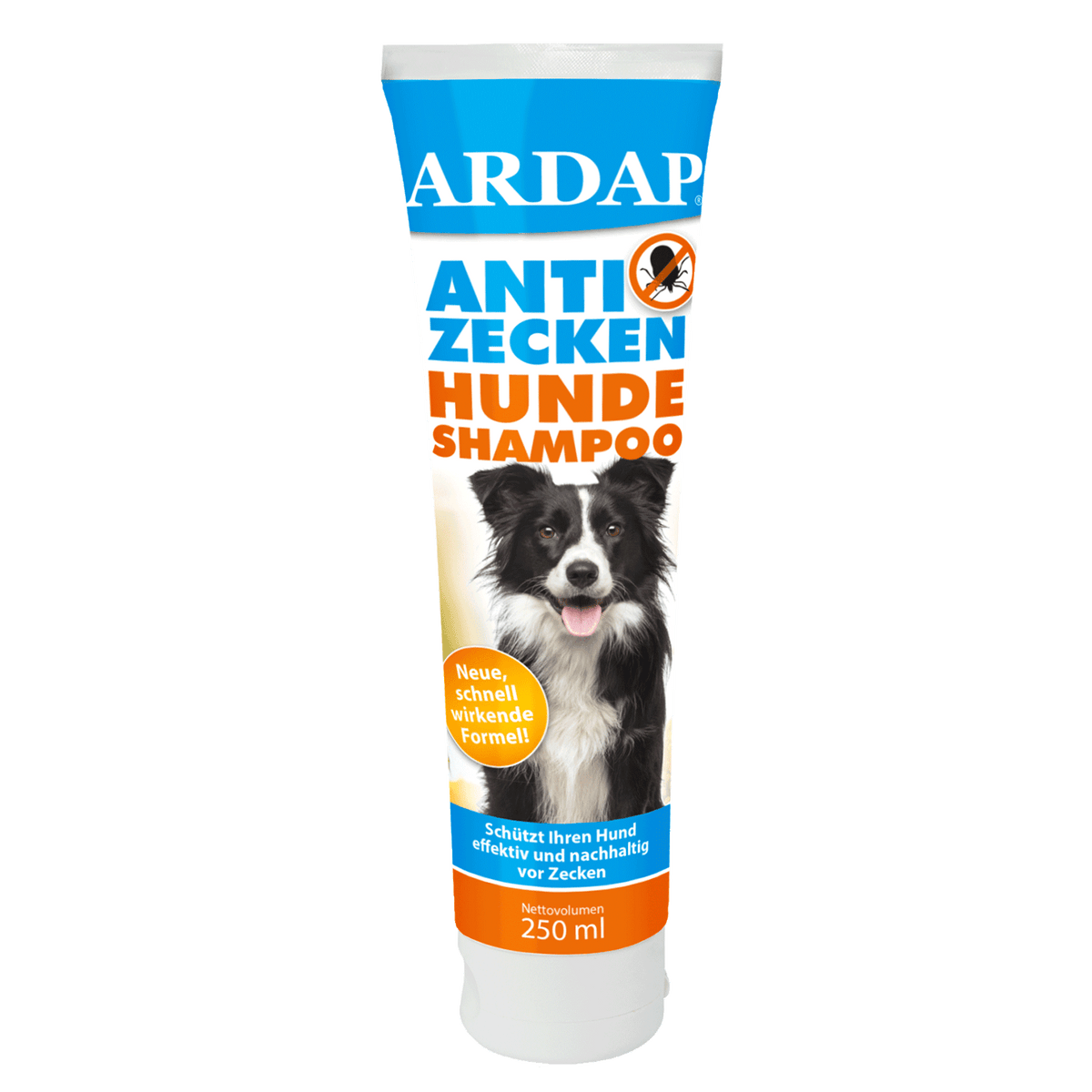
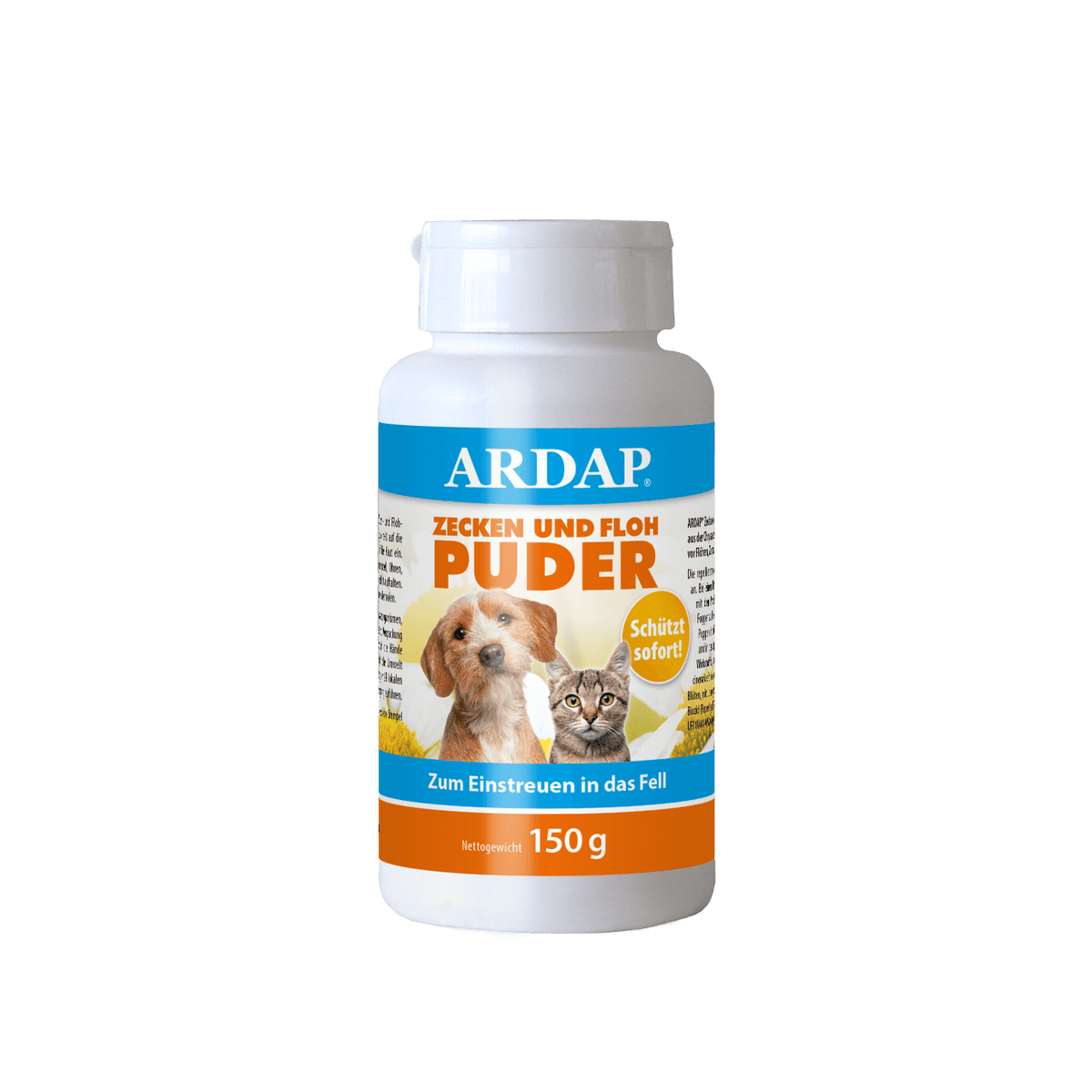
With tick powder or tick spray, you can provide additional protection for your dog before a walk or your free-roaming cat before heading out by applying tick spray or powder targeted at the areas preferred by ticks. The tick shampoo is also suitable for dogs. Whether spray, powder, shampoo, collar, or spot-on - all these products are repellents, i.e., products that repel ticks based on
pyrethrum from chrysanthemums. The goal is to prevent your pet from becoming infested with ticks in the first place. Preventive products can help minimize risks to animal health.
Ticks in winter
In cold winters, ticks hide in leaves, under tree bark, or in other hiding places to avoid freezing. However, as long as ground temperatures remain above freezing, they remain active, which is why you should also remain vigilant during the winter months.
Risks of a tick bite
Pathogens at a glance:
- Lyme borreliosis
- Anaplasmosis
- Babesiosis
- Ehrlichiosis
Ticks can transmit pathogens, including bacteria, viruses, and parasites that can cause serious diseases. One of the best-known tick-borne diseases is Lyme borreliosis. It is caused by the bacterium Borrelia burgdorferi and, if left untreated, can lead to a variety of symptoms, including skin rash, fever, joint pain, heart problems, and neurological issues such as paralysis. A borreliosis infection can be detected through a laboratory test (blood test) and can be treated very effectively with antibiotics if detected early.
Other diseases whose pathogens can be transmitted through tick bites are anaplasmosis, babesiosis and ehrlichiosis. However, not every tick bite leads to transmission, and not every transmission leads to disease. As a general rule: prevention is the best tick protection!
How to recognize a tick bite
A tick bite is usually very easy to recognize because the bite site first becomes itchy. Upon closer inspection or scratching, the firmly attached tick may still be present. After tick removal, itching, redness, and other skin reactions should quickly subside and largely disappear within 1-2 days. If the tick has already fallen off by the time you notice the area, it is almost impossible for a layperson to determine for certain who was bitten by you, the dog, or the cat.
Protecting Dogs and Cats from Ticks
You love your pet and want to protect it as best as possible from annoying and, above all, dangerous parasites. The most effective protection for preventing tick infestations is repellents containing the active ingredient pyrethrum, which should ideally be used year-round. Here you have a wide selection.
Tick Protection for Dogs
Proven anti-tick products for dogs that are applied externally are the tick collar for dogs and the tick spot-on for dogs. Furthermore, you can also protect your dog from ticks with the tick spray or the tick powder for dogs & cats. The ARDAP tick shampoo for dogs not only repels ticks but also cleanses, refreshes, and conditions the coat.
Tick Protection for Cats
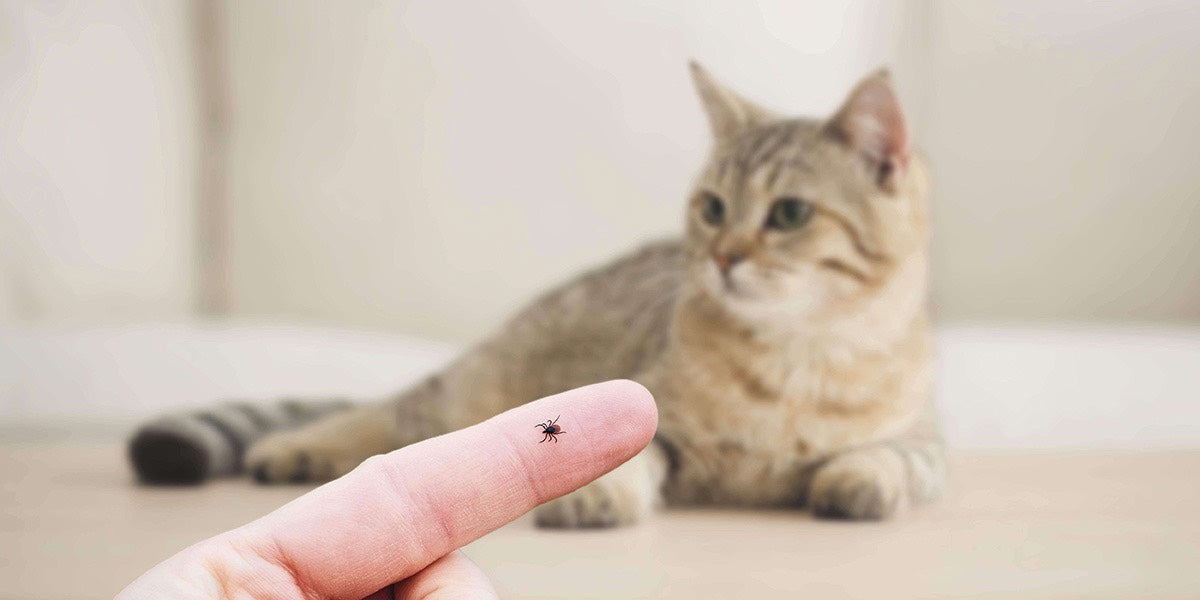
Especially outdoor cats need good tick protection all year round. For this purpose, you also have several proven products at your disposal that keep parasites away, including a tick spot-on for cats and the ARDAP tick collar for cats.Remove ticks
Removing ticks
Removing a tick correctly minimizes the risk of infection. Correct also means promptly, because the shorter the tick has been attached, the lower the risk that pathogens have been transmitted.
Follow these steps to remove ticks safely and quickly:
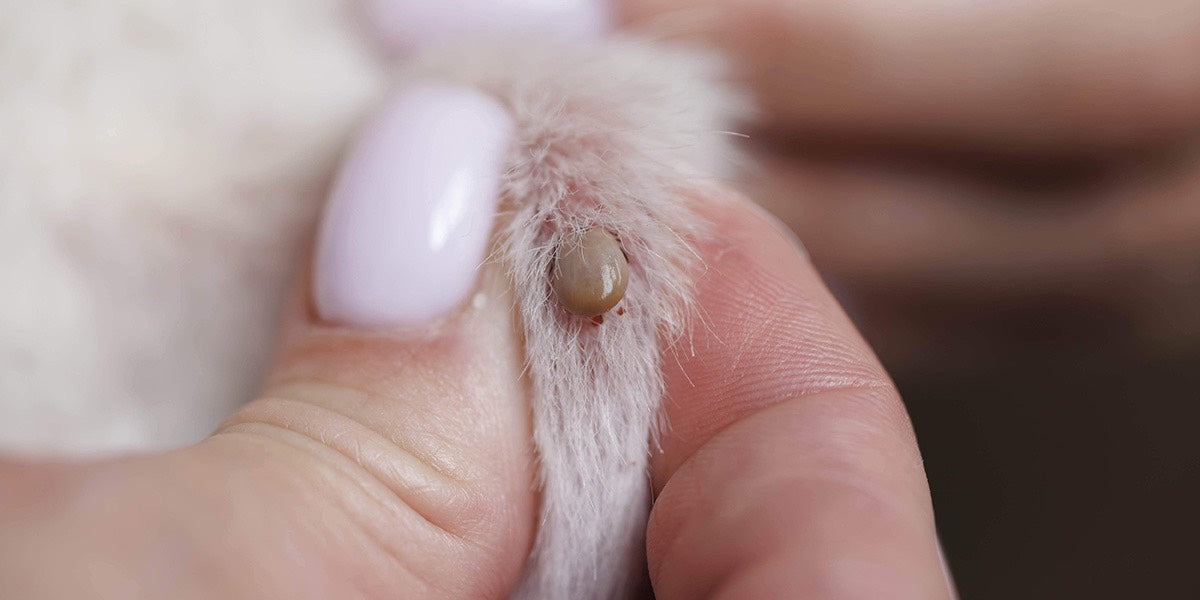
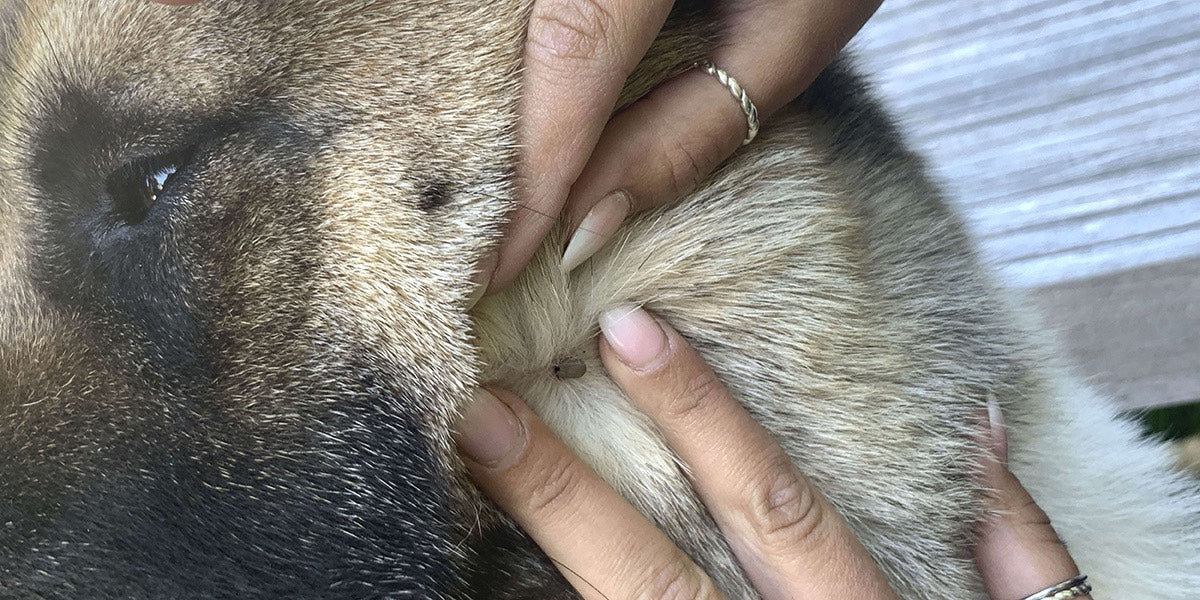
- Grasp the tick securely: Gently expose the tick by pushing aside the fur. Use special tools such as the tick hook or the tick forceps, with which you can grasp the tick directly behind the mouthparts and pull it out. These little helpers are easy to use and allow ticks to be removed safely without crushing them while pulling or tearing off the rear part of the body. The tick hook set with three different sizes can be conveniently attached to a keyring or leash, so you always have it at hand when you are out and about. By the way, with the tick forceps you can not only remove ticks, but also safely remove thorns and splinters.
- Pull the tick out, do not twist it out: Tick forceps, tick hooks, or tick cards were specially developed to remove ticks safely. Place the tool as close to the skin as possible and pull the tick out slowly and evenly, without twisting it. Ticks do not have threads, and by "unscrewing" them you only increase the risk of crushing the tick while removing it.
- Do not crush the tick: Make sure not to damage or crush the tick while pulling it out. If you crush the tick, this can increase the risk of transmission in an infected specimen because pathogens can enter the wound in greater quantities.
- Remove the tick completely: Ideally, the entire tick comes out when pulled. If part of the mouthparts remains stuck, this is no cause for concern. In most cases, it will be rejected by the body on its own as a foreign body after a few days. A visit to the veterinarian may only be necessary in the event of complications, such as an inflammation of the puncture site with severe discomfort or unclear symptoms of illness.
- Clean the bite site: After removing the tick, clean the bite site and the surrounding skin to minimize the risk of infection. A gentle wound gel for dogs or a special wound gel for cats cares for and cleans the skin and serves for optimal wound care.
Conclusion
Removing a tick correctly minimizes the risk of infection. Correct also means promptly, because the shorter the tick has been attached, the lower the risk that pathogens have been transmitted. Ticks can transmit dangerous diseases such as Lyme disease and FSME and can be active all year round. Early removal is important to prevent infections. For pets, year-round protection is recommended as a precaution.
ARDAP offers a wide range of reliable tick protection products:
- Spot-ons for dogs and cats that protect for up to 4 weeks
-
Tick and flea collars for dogs and cats, effective
for up to 4 months -
Tick spray, tick powder and anti-tick
dog shampoo for protection and care
The products contain the active ingredient pyrethrum from the chrysanthemum, which effectively repels and prevents ticks. Practical tools such as the ARDAP tick hook and the ARDAP tick forceps help with safe removal, with which ticks can be removed gently and completely to minimize the risk of infection.
Frequently Asked Questions
The longer a tick remains attached to the skin and feeds on blood,
the more likely it is to transmit dangerous and disease-causing bacteria such as Borrelia. The germs are usually transmitted after about 24 to 48 hours. This means that if a tick is removed early and safely (e.g. with the Tick Hook with Tweezers from ARDAP), the risk of infection is lower. Transmission of the FSME virus can occur more quickly, however, but this mainly affects certain risk areas.
A tick bite should always be taken seriously, because there
is a certain risk of infection with various
pathogens. However, not every tick is automatically infected with
pathogens such as Borrelia or FSME viruses.
If a tick bite occurs, it should be removed as soon as possible and
carefully, preferably using the ARDAP Tick Hook. The tick should be grasped close to the skin and pulled out slowly, without squeezing or twisting it, to reduce the risk of infection transmission. The bite area should then be monitored for several days. Widespread or ring-shaped skin redness ("bull's-eye rash") can be a sign of a Lyme disease infection and must be examined by a doctor immediately.
If you have been bitten by a tick, you should
- be sure to remove the parasite promptly and pull it straight out
(do not twist it), - disinfect the bite area,
- monitor the tick bite closely over the next few days to
detect any possible symptoms of infection early.
Typical: a ring-shaped, spreading redness (erythema
migrans) may indicate Lyme disease. - If symptoms such as fever, headache, or
stiff neck occur, you should see a doctor immediately.
The same applies to your pets:
- In the case of a dog or cat, the tick should be removed promptly using a
suitable tick removal tool (e.g., ARDAP tick removal tool) straight,
i.e., without twisting, - cleanse the puncture site afterwards,
- monitor over the next few days.
- In case of any health concerns or uncertainty, contact
a veterinarian.
As a general rule, it is important to avoid tick bites by using repellent products from ARDAP. For
prevention, the ARDAP Spot-On or the ARDAP collar against ticks are suitable. In addition, the animal should be checked for ticks after every time spent outdoors.
What our customers say?
Amazing—no more ticks in sight
Highly recommended
Super Spot-On against ticks


Discover Tick Repellents from ARDAP

Bestseller
Our most popular products
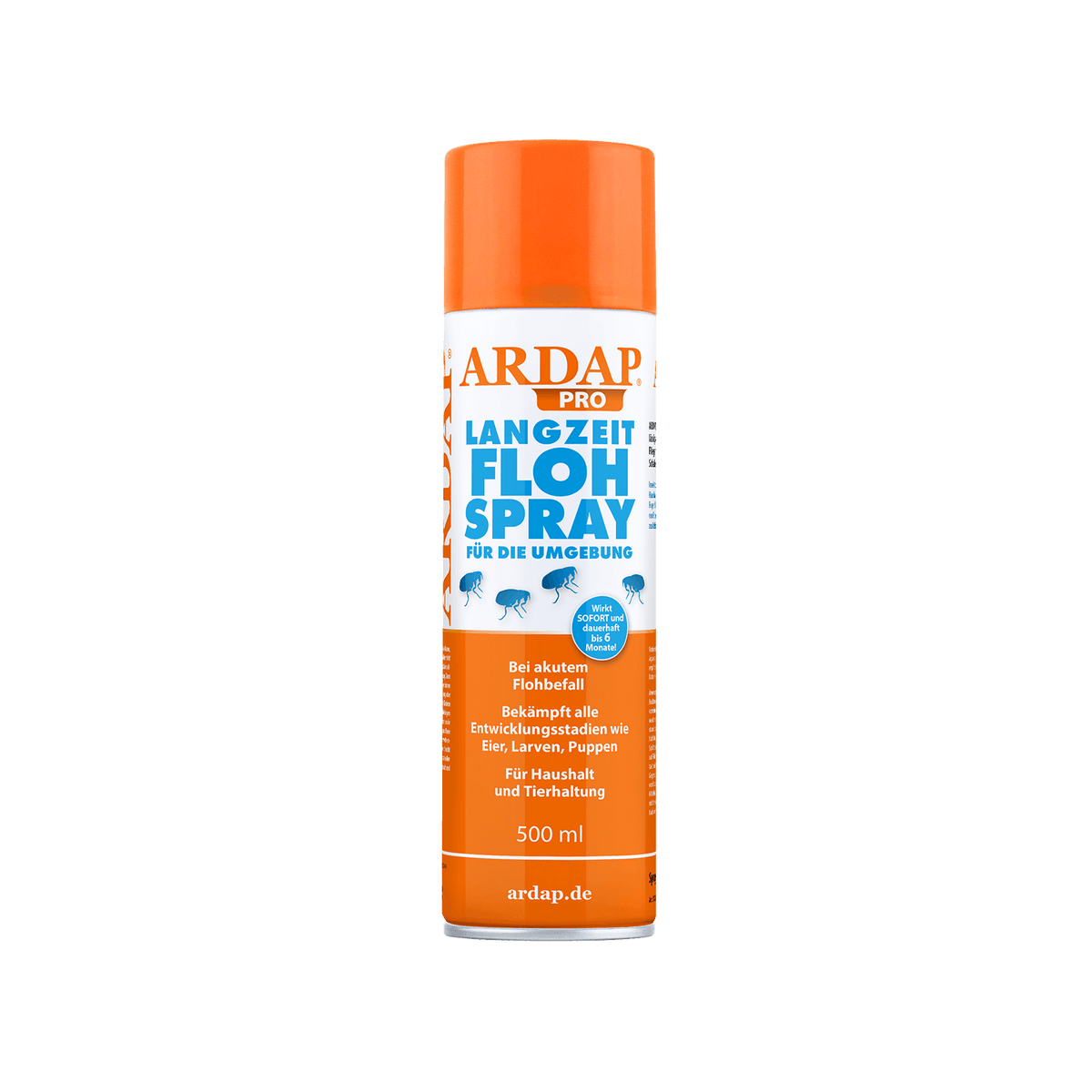


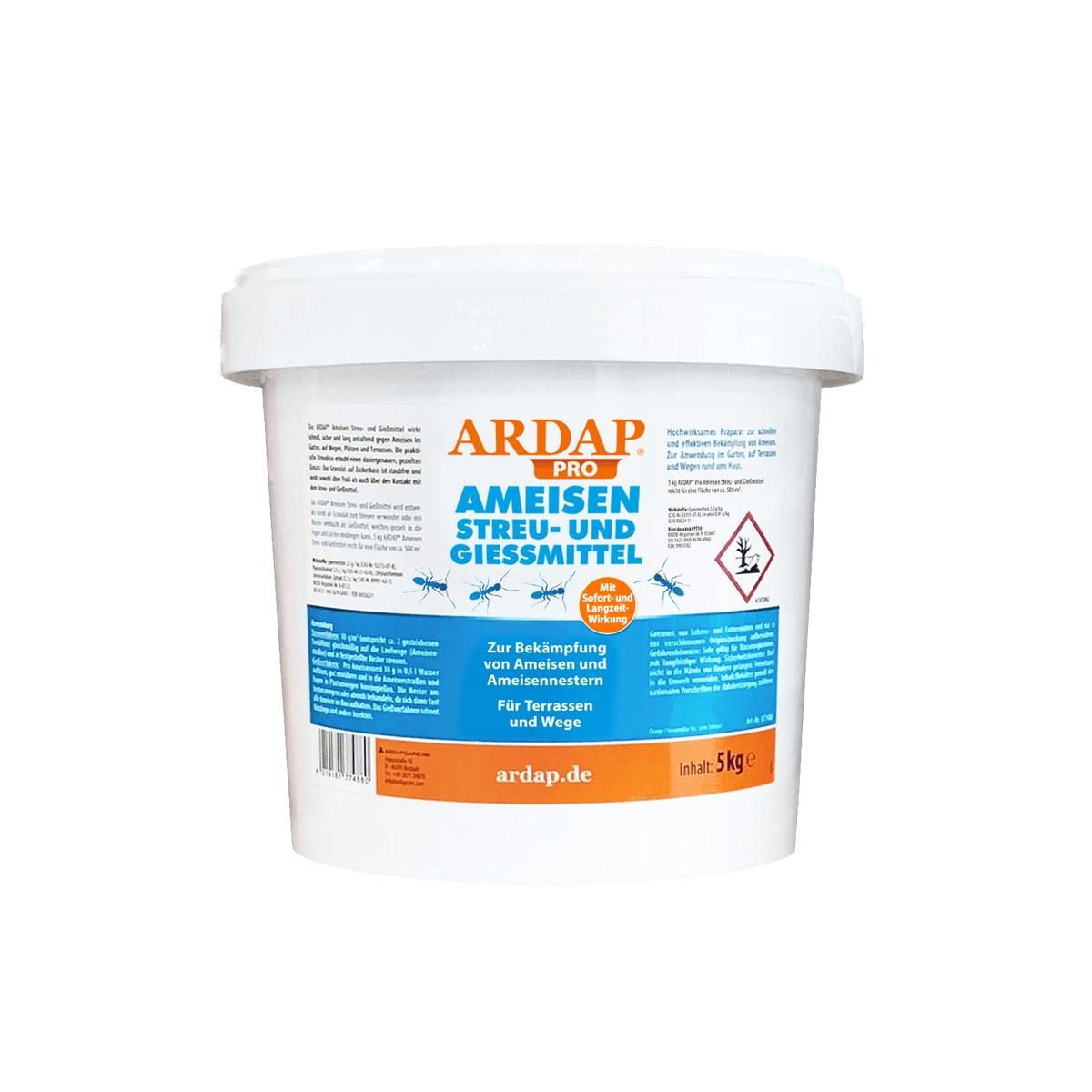

Use biocidal products carefully. Always read the label and product information before use.
Our tip for a quick solution
