Below you will find comprehensive information about anaplasmosis in dogs. In collaboration with our expert, the specialist veterinarian for parasitology Prof. Dr. med. vet. Norbert Mencke, we provide practical advice on tick protection and introduce proven repellents that can protect your dog from tick bites all year round.
For further scientific information on vector-borne diseases in your pet, you can also visit the European Society of Clinical Companion Animal Parasitology (ESCCAP) here .

Anaplasmosis in dogs – a serious risk
With timely diagnosis and veterinary treatment, anaplasmosis in dogs is highly treatable or curable. However, left untreated, it can be life-threatening for the dog or lead to serious long-term damage. However, the disease is not directly contagious from dog to dog or between dog and human, but requires a tick bite for the transmission of the pathogens. Anaplasmosis and other diseases that can be transmitted by ticks are sometimes also referred to as "tick fever" or "vector-borne disease".

How the bacteria are transmitted
Anaplasmosis pathogens are primarily transmitted to dogs by ticks of the genera Ixodes and Rhipicephalus. The two main forms of the disease, granulocytic and thrombocytic anaplasmosis, are caused by different pathogens.
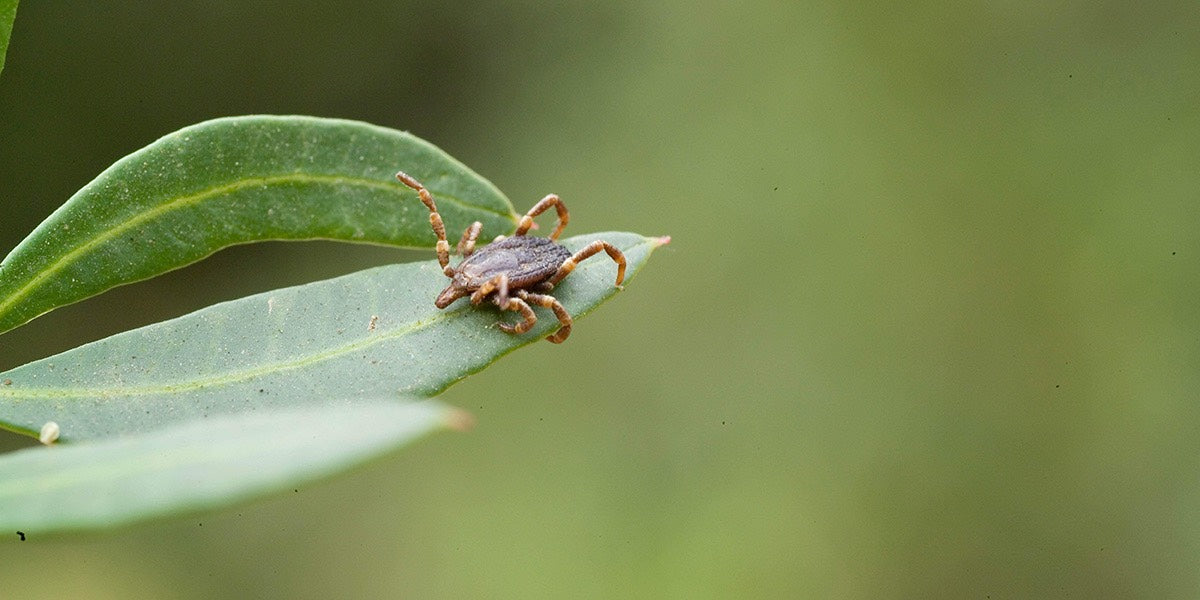
The common wood tick (Ixodes ricinus) is widespread throughout Europe and is the most common carrier of the bacterium Anaplasma phagocytophilum, the pathogen of granulocytic anaplasmosis. The brown dog tick (Rhipicephalus sanguineus) transmits Anaplasma platys, the pathogen of thrombocytic anaplasmosis, in Southern Europe. Brown dog ticks are widespread worldwide, especially in warmer climates, but are also becoming increasingly comfortable in Germany. They also nest in homes and heated indoor spaces to overwinter and reproduce there all year round. Their presence is another reason to protect dogs and other pets not only during the so-called tick season, but all year round from ticks. This is because, due to global warming and increasingly mild winters, the appearance of ticks is no longer limited to a specific season.
Symptoms: How to recognize if your dog has anaplasmosis
Symptoms of anaplasmosis usually appear 1 to 2 weeks after the tick bite. Some dogs remain asymptomatic despite an infection or only show signs of infection later:
- Fever
- Fatigue, weakness, lack of motivation
- Loss of appetite
- Joint pain and lameness
- Vomiting and diarrhea
- Swollen lymph nodes
In rare cases, neurological symptoms also occur, such as:
- Coordination problems (e.g., unsteady gait, stumbling, reeling)
- Muscle tremors, uncontrolled movements or twitching
- Behavioral changes (e.g., confusion, disorientation)
- Paralysis
- Eye twitching, uncontrolled eye movements (nystagmus), vision problems or vision loss
- Seizures / convulsions
The two main forms of anaplasmosis (granulocytic and thrombocytic anaplasmosis) affect different cells and can also vary in their symptoms.
Granulocytic anaplasmosis:
- Primarily affects granulocytes, a type of white blood cell that plays a key role in immune defense.
- Common symptoms are fever, lethargy, loss of appetite, and joint pain, sometimes also neurological disorders.
- Transmitted by the common wood tick (Ixodes ricinus).
Thrombocytic anaplasmosis:
- Primarily affects thrombocytes (platelets), which are also responsible for blood clotting and wound healing in dogs.
- Common symptoms are fever, lethargy, bleeding, and anemia.
- An infection with Anaplasma platys in dogs often occurs without symptoms, unlike Anaplasma phagocytophilum.
- Transmitted by the brown dog tick (Rhipicephalus sanguineus).

Treating and curing anaplasmosis correctly
The exact diagnosis and treatment of anaplasmosis in dogs require specific tests that can only be performed by a veterinarian or in a laboratory. The pathogen can be detected directly in the blood. In serological tests, antibodies against Anaplasma bacteria can be detected; with a PCR test, direct detection of the pathogen's DNA in the blood is also possible. Through blood tests, veterinarians can also observe changes in the dog's blood count, such as a low platelet count.
In case of suspected infection (i.e., if you discover anaplasmosis symptoms and/or behavioral changes in your dog after a tick bite), make an appointment at the veterinary practice as soon as possible. There, your dog can be examined thoroughly and tested for tick-borne diseases. Early diagnosis and treatment are crucial for your dog's recovery to be as quick and complete as possible.
Repelling ticks, avoiding infection
The best way to protect your dog is through the consistent use of tick repellents, which reliably repel ticks and other blood-sucking parasites (e.g., fleas).
If a tick has already attached itself because you have not yet used any repellents, you can significantly reduce the risk of infection through quick removal. The longer the tick remains firmly attached, the more likely it is that pathogens will enter your dog's bloodstream through the parasite's saliva.

Carefully checking long-haired dogs for ticks
When checking your dog for ticks, pay special attention to thin-skinned and particularly well-vascularized areas.
If your dog wears the ARDAP tick collar for dogs or is protected by the ARDAP tick spot-on for dogs, ticks, fleas, and other parasites are repelled using the active ingredient pyrethrum from chrysanthemum flowers. The protective collars provide up to 4 months of continuous tick protection; the spot-on should be applied every 4 weeks to provide continuous protection. Both products ensure comprehensive, reliable tick protection when used correctly.
Removing ticks correctly
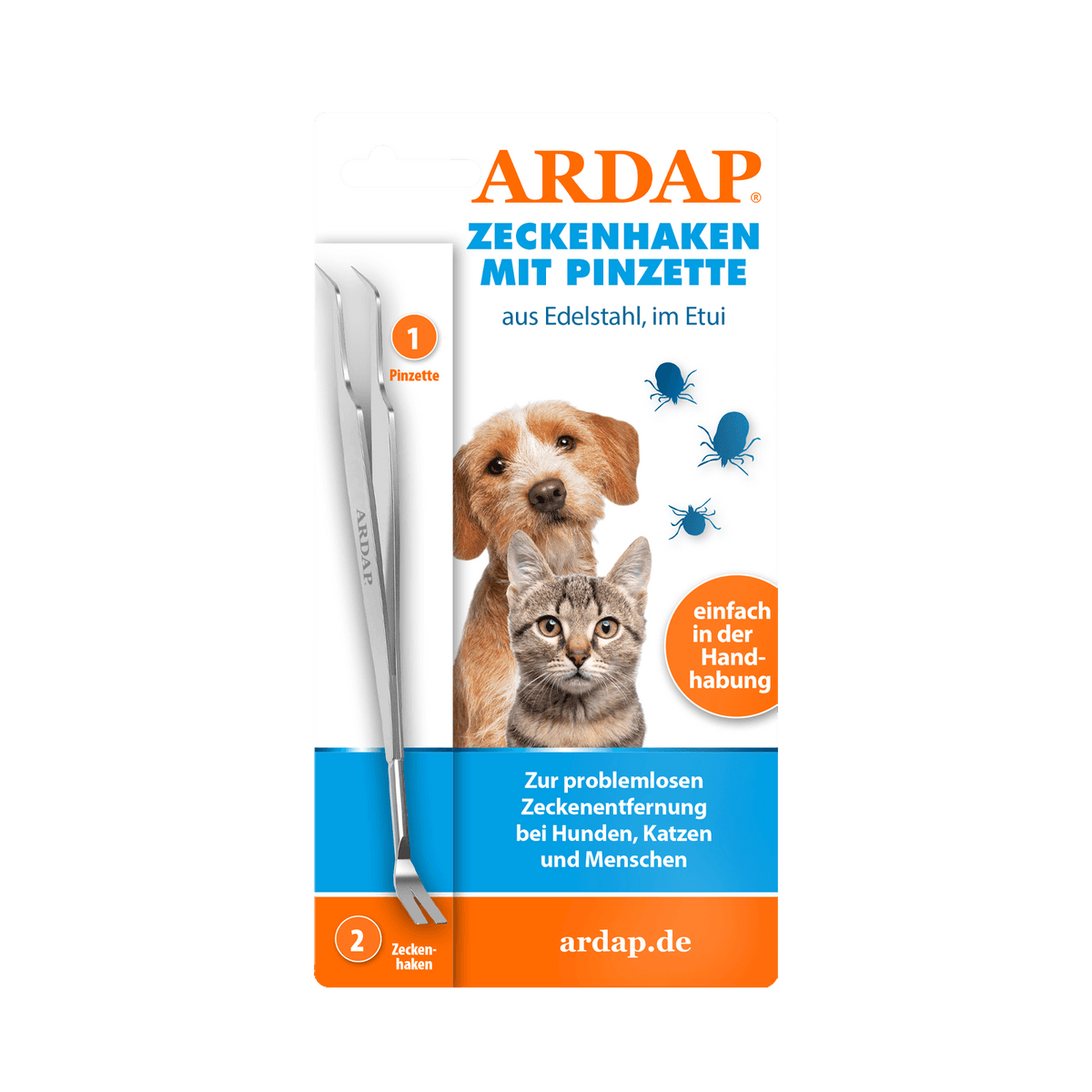
If you discover a firmly attached tick because you have not used any repellents, you can remove it particularly easily and safely with special tools. For example, with the ARDAP tick hooks, which you can order in a set of 3 and simply attach to the leash or your key ring to take with you, or the practical combination tool, the ARDAP tick hook with tweezers. The tweezers safely and effortlessly remove even the smallest ticks, but also foreign objects such as thorns or splinters. The sturdy tick hook thoroughly and cleanly pries out larger ticks.
The correct technique is very important when removing ticks: Grasp the tick directly behind the head or above the skin with the tick forceps or tweezers and pull it out straight and continuously.
Basically, that is all you need to know about proper tick removal. All tricks or special tips come from the realm of myths. Ticks do not need to be loosened by wiggling or turned while being removed. Drenching them with oil or brushing them with nail polish, which was often recommended in the past, is actually quite dangerous. It stresses the tick and thus increases the likelihood that it will release saliva and empty its gut into the wound. This allows pathogens to enter the host from infected ticks.
Because the ARDAP tick hook securely holds the parasite directly after being applied, you can also remove ticks very well from hard-to-reach or sensitive areas. Afterwards, clean and disinfect the bite site to help skin irritation subside more quickly and prevent the puncture site from becoming inflamed.

If you accidentally tear off the hindbody while pulling it out, leaving the head with the sucking apparatus in the skin, you do not need to worry immediately. The risk of disease does not increase, because a detached tick head can no longer transmit pathogens. However, make sure that the area does not become inflamed.
Repellents prevent ticks from attaching in the first place
Prevention is always better than cure. Consistent preventive tick protection provides more safety and peace of mind in everyday life, significantly minimizes the risk of tick bites, and is therefore the best protection against tick diseases such as anaplasmosis, babesiosis, or Lyme disease. This not only reduces the health risks for your dog, but also spares you and your pet the stress of frequent veterinary visits, injections, tablets, and other expensive treatments.

The ARDAP spot-ons and tick collars contain pyrethrum, a highly effective active ingredient obtained from the flowers of chrysanthemum species. Thanks to their repellent effect, these products offer reliable and long-lasting protection against ticks.
With the ARDAP tick collar for dogs, which continuously releases small amounts of active ingredients that spread over the animal's fur, you not only have a long-lasting protective effect of up to 4 months, but also a very convenient option for reliable tick protection.


Alternatively, you can use the ARDAP tick spot-ons. This is applied directly to the animal's skin and also offers long-lasting protection against parasites. One tube provides repellent protection against ticks for up to 4 weeks. Good to know: The repellents work externally and do not enter the dog's bloodstream.
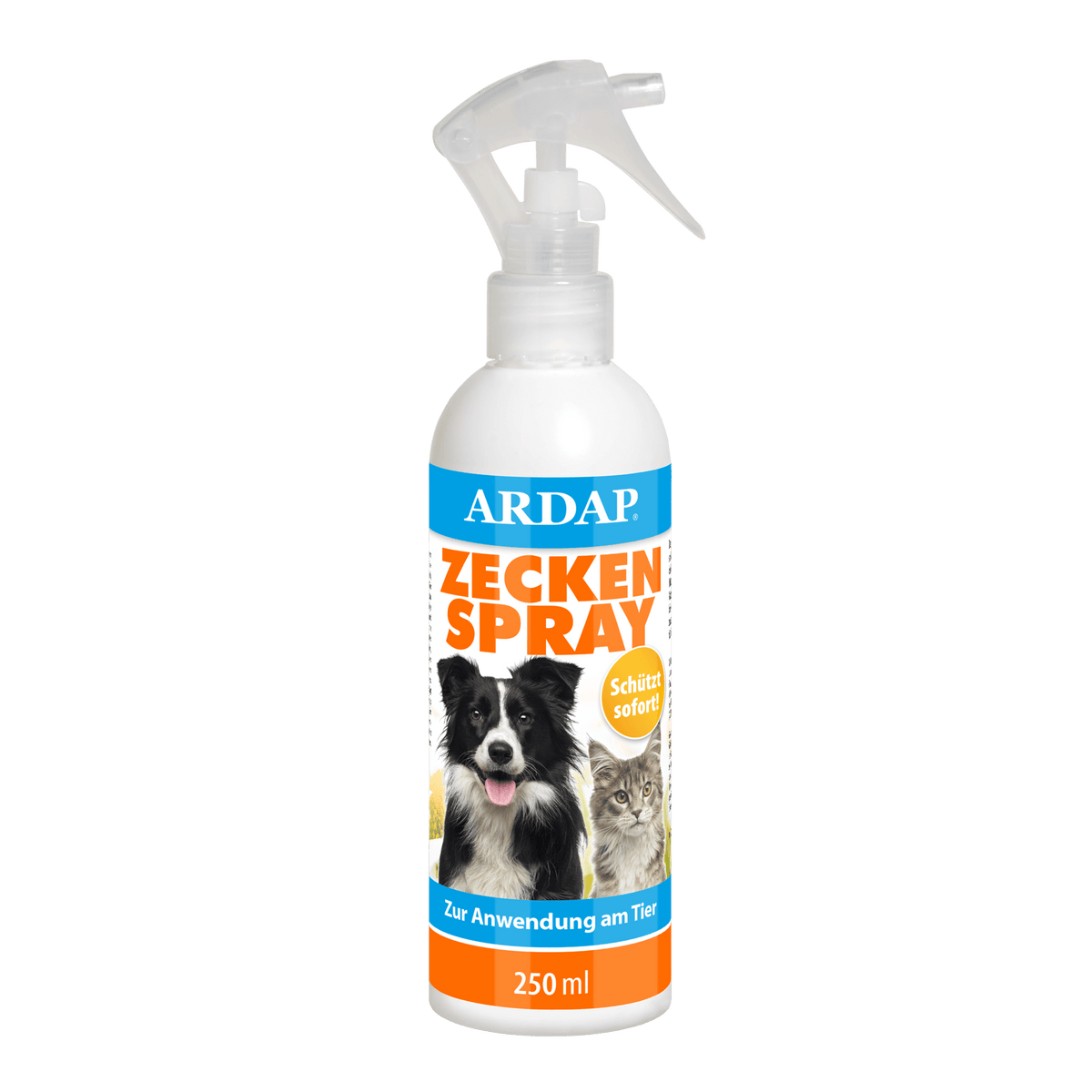
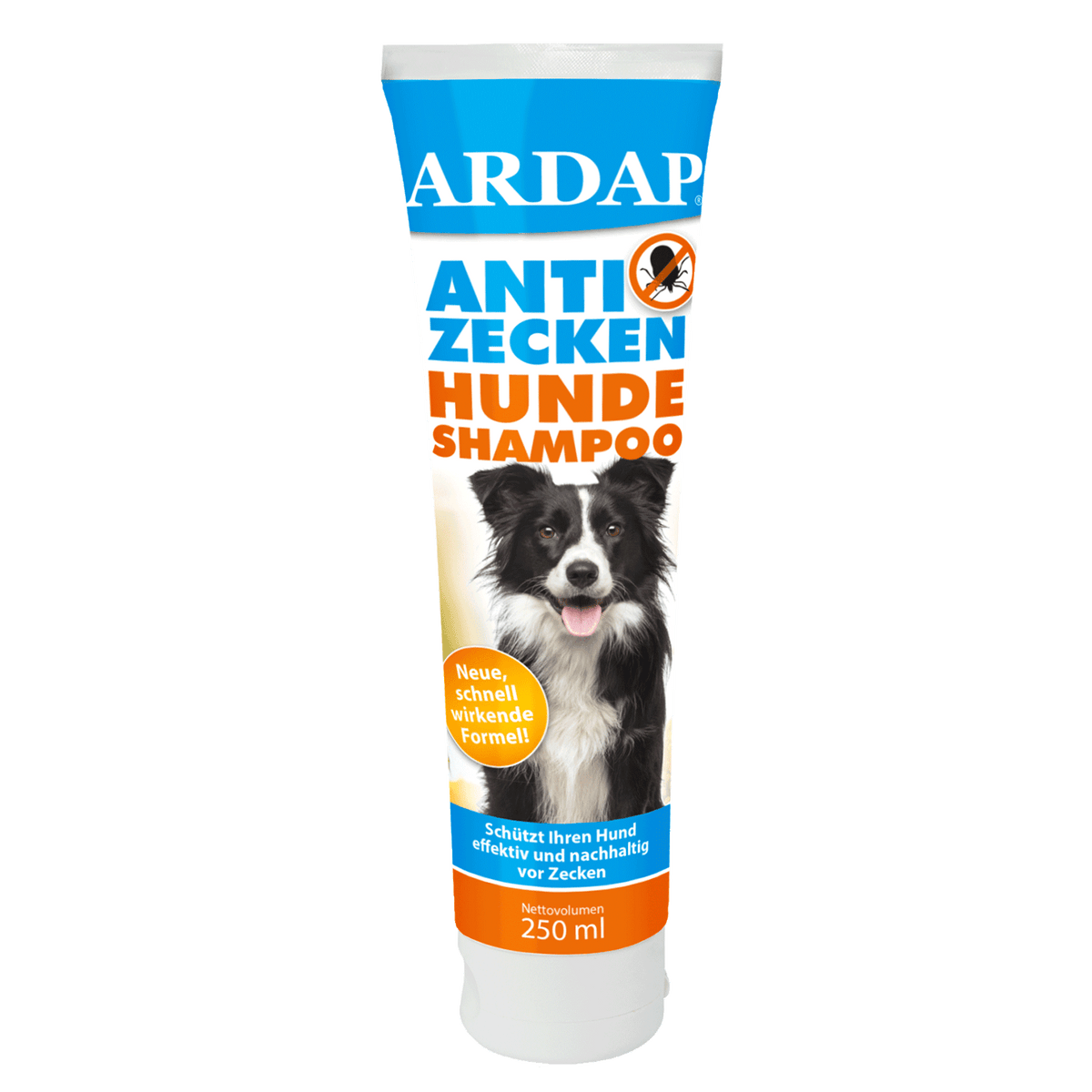
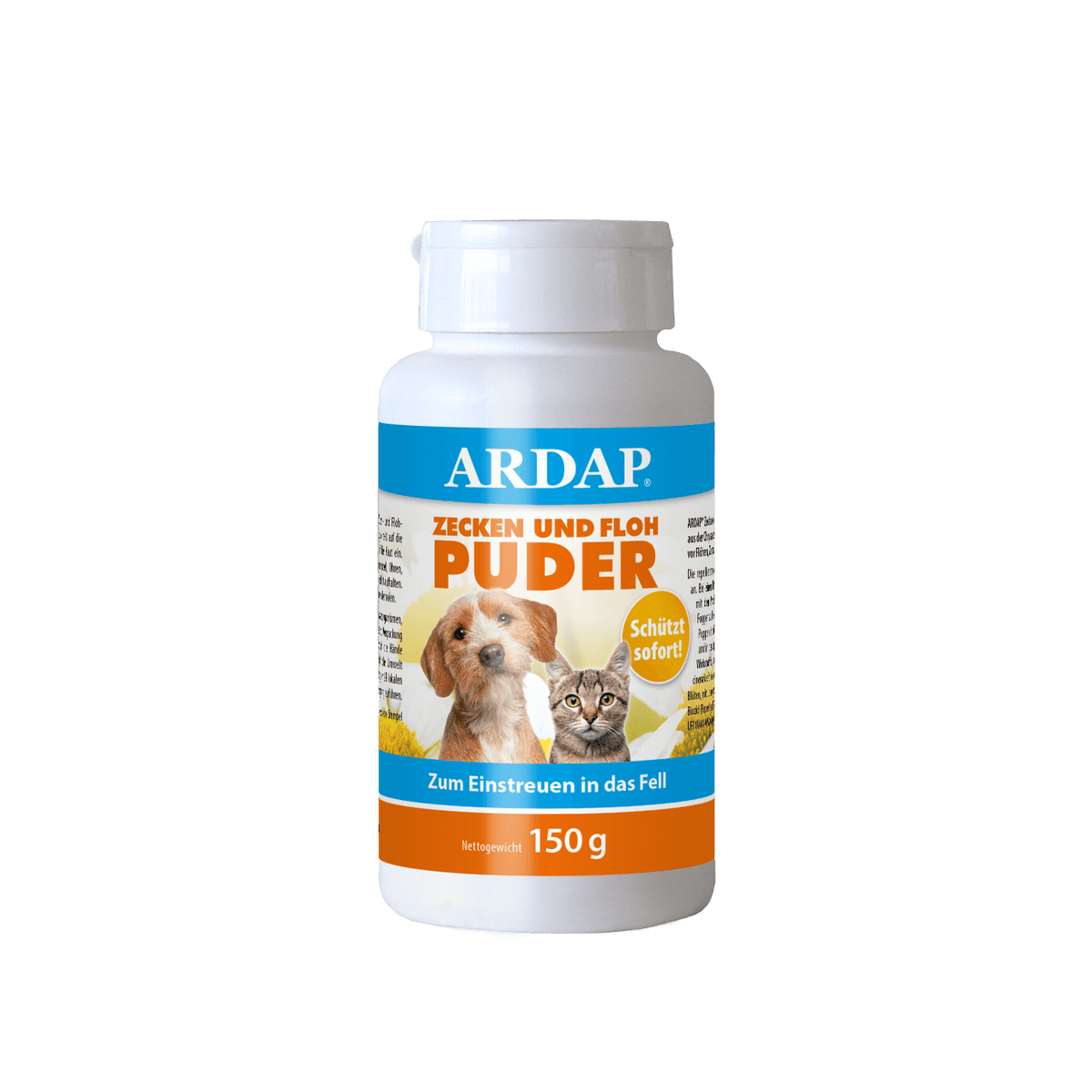
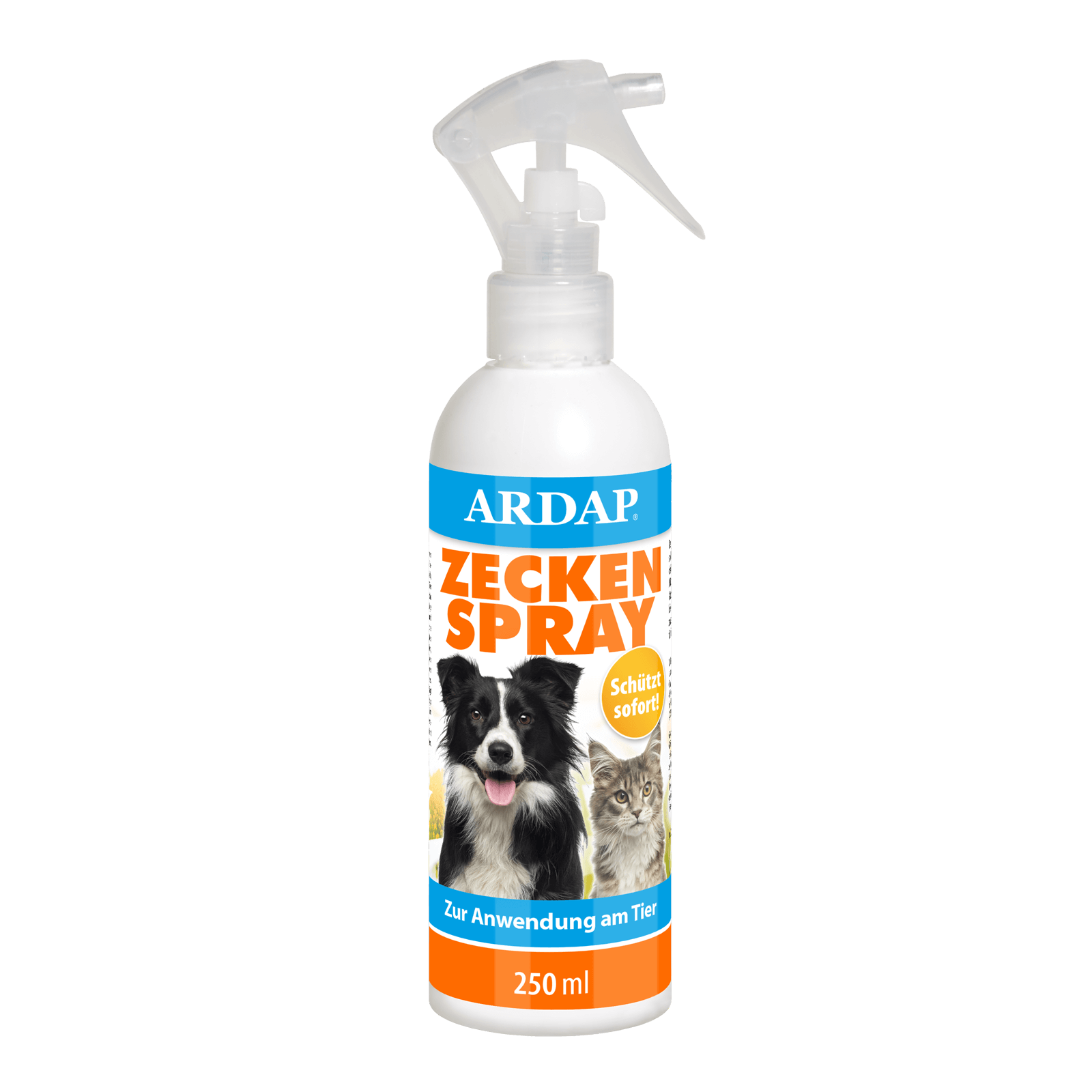
To supplement the basic repellent protection, you can additionally use the ARDAP tick powder for dogs and cats or the ARDAP tick spray as needed. Ideally, the spray or powder is applied before a walk or outing to particularly vulnerable favorite spots, to specifically provide an extra dose of protection for the neck, paws, belly, and base of the tail, for example. The ARDAP anti-tick dog shampoo also offers a repellent effect and ensures clean, well-groomed, and hygienically fresh fur.