With the support of our expert, veterinary specialist and parasitologist Prof. Dr. med. vet. Norbert Mencke, we provide you with comprehensive information on Lyme disease in dogs, as well as its symptoms, diagnosis, and treatment. We also introduce proven products for year-round tick prevention.
For further scientific information on vector-borne diseases in your pet, you can also visit the European Scientific Council for Veterinary Parasitology (ESCCAP).
- How dangerous is Lyme disease for dogs
- How to protect your dog from a Lyme disease infection
- A good choice: Prophylaxis through effective repellents
- Lyme disease in dogs: An overview

How dangerous is Lyme disease for dogs?
Lyme disease is dangerous for animals and humans. Its pathogens, Borrelia bacteria, are found worldwide. Studies show that approximately 10-30% of all ticks in Germany are infected with Borrelia. Therefore, even a single tick bite can cause Lyme disease in dogs. However, the actual probability that your dog will become seriously ill after being bitten by an infected tick and subsequently transmitting Borrelia is relatively low. Nevertheless, caution is advised due to the severity of the disease.
Lyme disease can cause various acute symptoms and long-term complications. Particularly feared are long-term conditions such as chronic joint inflammation, which can recur and affect different limbs, causing affected dogs to suddenly limp or suffer from noticeable pain in a leg or hip even years after recovering from an infection. These long-term consequences of an undetected and untreated Borrelia infection are difficult to distinguish from other, particularly age-related, joint diseases (osteoarthritis).
If the disease is detected too late or left untreated, the risk of consequential damage is very high. The earlier the infection is diagnosed and treated, the lower the risk that your dog will later suffer from chronic pain and inflammation, or heart or kidney problems. Although there is no conclusive evidence that Lyme disease shortens the lifespan of dogs, persistent health problems can lead to a significantly reduced quality of life for the animal.
Removing ticks quickly and detecting an infection as early as possible can prevent severe cases and long-term complications of Lyme disease. Therefore, the best prevention is regular tick checks and proven repellents that protect your dog from ticks and tick bites.

How does a dog become infected with Lyme disease?
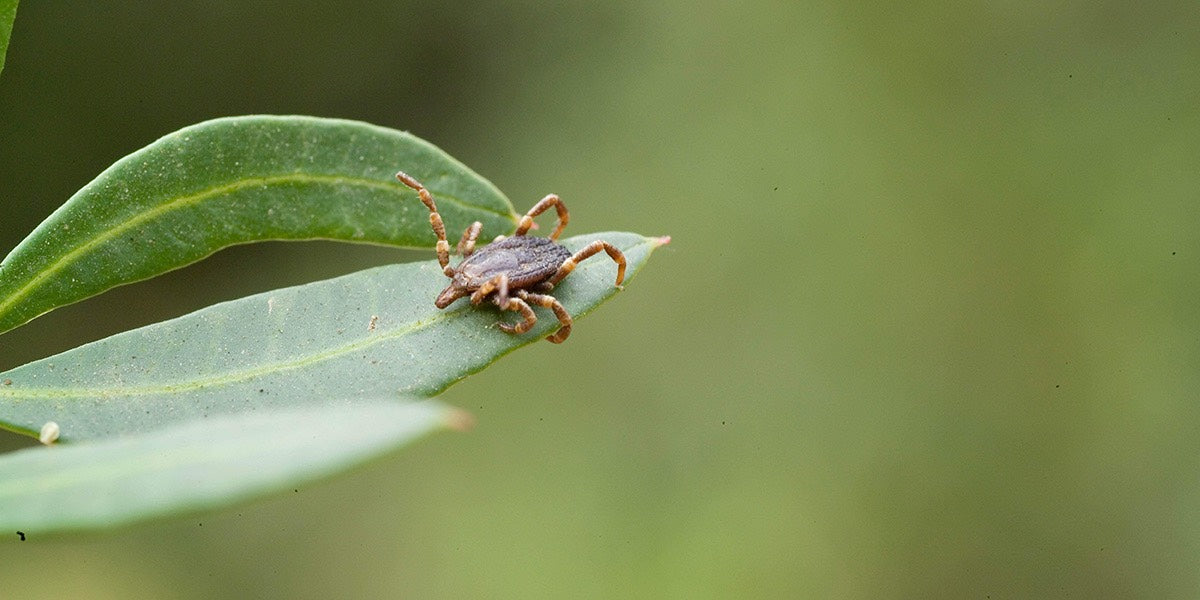
In Germany and Central Europe, two tick species are primarily responsible for transmitting Borrelia: the common wood tick (Ixodes ricinus), other Ixodes species, and the wood tick (Dermacentor reticulatus), also known as the meadow tick or multicolored tick. The common wood tick is the most common tick species in this region and is found in virtually all wooded and damp areas, as well as in city parks and gardens. It prefers areas with tall grass, undergrowth, and fallen leaves or low, dense bushes, where it sits on blades of grass or leaf tips and waits for passing hosts.
The wood tick lives mainly in damp forests, meadows, and open wasteland, but it is also increasingly found in urban areas. This tick species also thrives near rivers and in floodplains. In recent years, the wood tick has spread beyond its original main risk areas, such as Bavaria and Baden-Württemberg. Therefore, when the habitats are suitable, it must now be assumed that it is distributed throughout Germany.
Dogs pick up ticks when they walk through tall grass, curiously look under bushes, take a nap in the garden, or explore the habitats of wildlife such as foxes or hedgehogs. Ticks lying in wait recognize the dog through vibrations, body heat, and scents. They also detect the CO2 in the host animal's breath, among other things. As soon as the host gets close enough or brushes past the waiting spot, the tick simply lets go so that it can be carried away. Once it has reached the dog's fur, it searches for a warm spot with thin skin, where it clings firmly and anchors its mouthparts in the skin to suck blood. For Borrelia to be transmitted, the tick must remain attached and feed on blood for at least 16–24 hours. Borrelia needs this time to activate from the tick's midgut so that it can then be transmitted to the host. A quick removal of the tick is therefore particularly important.


Recognizing the symptoms of the disease
Lyme disease can manifest in dogs through a variety of symptoms that often develop over weeks or months. Immediately after a tick infestation, dogs often show non-specific symptoms such as fever, fatigue, and loss of appetite. Later, during the chronic phase, typical Lyme disease symptoms, such as those seen in humans, can occur in dogs, including joint problems and lameness. Common signs of an infection include sudden limping or a general reluctance to move, caused by pain in the joints, which may also be swollen and warm. In some cases, Lyme disease can also be accompanied by neurological symptoms, such as noticeable behavioral changes, seizures, or paralysis.
In the advanced stage, untreated Lyme disease in dogs can lead to severe kidney or heart problems. The earlier the symptoms are detected, the better the chances of recovery. The so-called "bull's-eye rash" (erythema migrans), which can be found around the bite site in humans as a sign of a Borrelia infection, is not described in dogs.
If your dog shows signs of an infection such as fever, lethargy, or other symptoms, or if its behavior changes, you should have it thoroughly examined by a veterinarian and tested for Borrelia.

Lyme disease can only be detected by your veterinarian
Lyme disease in dogs can only be reliably diagnosed by a veterinarian. If an infection is suspected, the practice first performs a thorough clinical examination. For the Lyme disease test, a blood sample is taken and analyzed for antibodies against Borrelia. Direct detection of the Borrelia bacteria using a PCR test is also possible. However, laboratory testing only shows that the dog has been infected with Borrelia. If Lyme disease is present, it will be indicated by the clinical symptoms that occur.
Treatment of the pathogen and chances of recovery
Antibiotics have proven effective in treating Lyme disease in dogs, although they usually need to be administered for several weeks to kill the Borrelia bacteria. Just like in humans, dogs can develop a chronic infection with recurring relapses. With early diagnosis and treatment, Lyme disease in dogs is often curable. Long-term damage or recurring symptoms primarily affect puppies, older dogs with pre-existing conditions, and generally animals with a weakened immune system. However, through continuous monitoring and veterinary follow-up care, complications can often be avoided even in such "high-risk patients."
How to protect your dog from a Lyme disease infection
In addition to proven tick repellents such as collars or spot-ons for effective long-term protection, there is also the option of having your dog vaccinated against Borrelia by a veterinarian.

Lyme disease vaccination for dogs
The Lyme disease vaccination for dogs is an important part of prevention, especially for dogs that live in risk areas or spend a lot of time outdoors as hunting or working dogs. The vaccination is aimed at strengthening the immune system, protecting against an infection with Borrelia, and preventing severe cases of the disease.
Dogs can be vaccinated against Lyme disease from about 12 weeks of age. Many veterinarians recommend administering the vaccination in spring before the start of the tick season. After the first vaccination, two booster shots are usually required at intervals of several weeks to build up complete vaccination protection. The vaccination should then be renewed annually.
The Lyme disease vaccine for dogs contains inactivated pathogens or parts of them that stimulate the immune system to produce antibodies. The effectiveness of the vaccination can vary and does not provide absolute protection against infection, but it significantly reduces the risk of severe illness. Dog owners cannot make the decision for or against a Lyme disease vaccination on their own, but only in consultation with a veterinarian who can professionally assess the individual risks for the dog.

Preventing ticks: Find and remove them correctly!
When removing ticks, the correct technique plays an important role in preventing infection. Ticks should always be pulled straight out and not twisted out. This prevents the body from being crushed, which leads to the premature release of pathogens, or the tick head from remaining in the dog's skin, which can promote skin irritation and inflammation at the bite site.
Special tools such as the ARDAP 3-piece tick hook set or the versatile 2-in-1 tool, the ARDAP tick hook with tweezers, make it easier for you to remove ticks quickly even on the go. With the practical combination tick hook, not only tiny ticks, but also thorns or splinters can be securely gripped and removed. The hooks in the 3-piece set are suitable for ticks of any size and can easily be attached to a dog leash or a keychain.
A good choice: Prophylaxis through effective repellents
You can do quite a bit to prevent your dog from being bitten by ticks in the first place. Below, we introduce proven repellents for the efficient and lasting protection of your four-legged friend.
Spot-on for dogs
The ARDAP spot-on for dogs stands out due to its easy application: You simply apply a few drops from the tube to the skin on the back of your dog's neck. The active ingredient pyrethrum from chrysanthemum flowers then provides up to four weeks of protection against ticks and also against fleas at the same time.

Tick collar for dogs
The ARDAP tick collar for dogs reliably protects for up to four months against ticks and fleas and is therefore a particularly practical choice for the long-term repellent protection of your pet.
Tick spray for dogs
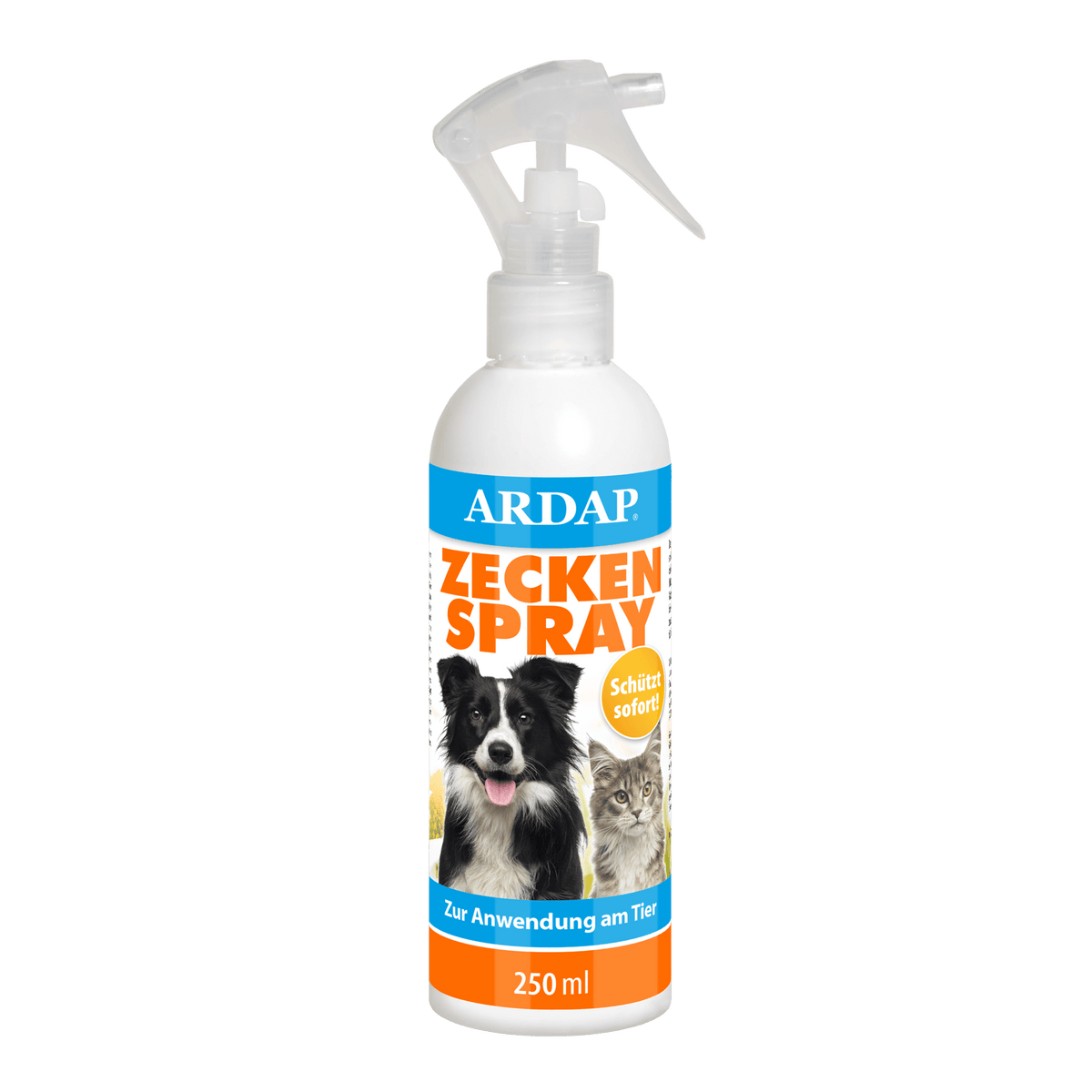
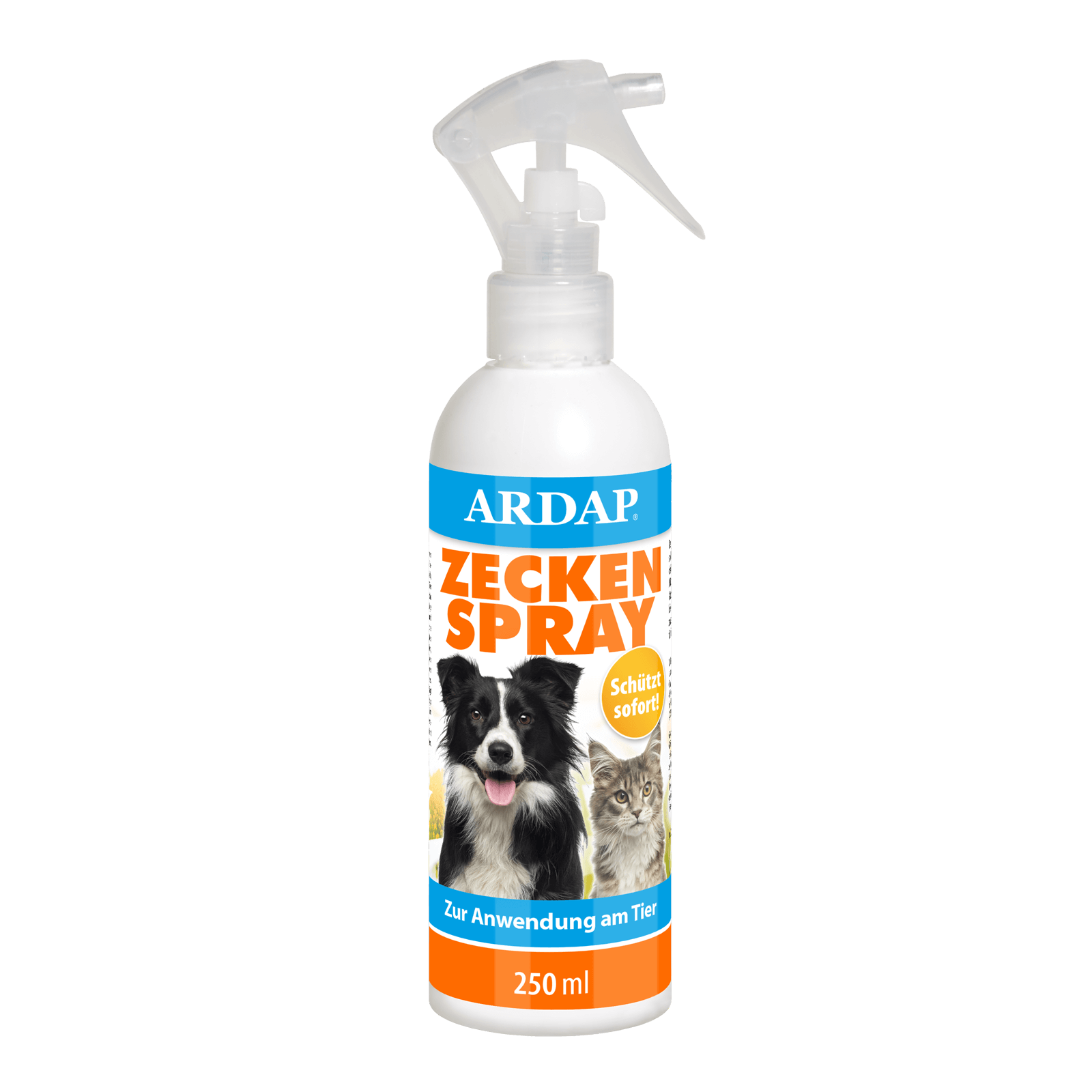
The ARDAP tick spray provides quick and targeted protection against ticks and can be sprayed directly onto the dog's fur. Combine it to additionally protect particularly vulnerable body areas such as the belly, chest, paws, neck, or base of the tail. Application before a walk in the woods or playing in the garden is recommended.
Tick powder for dogs
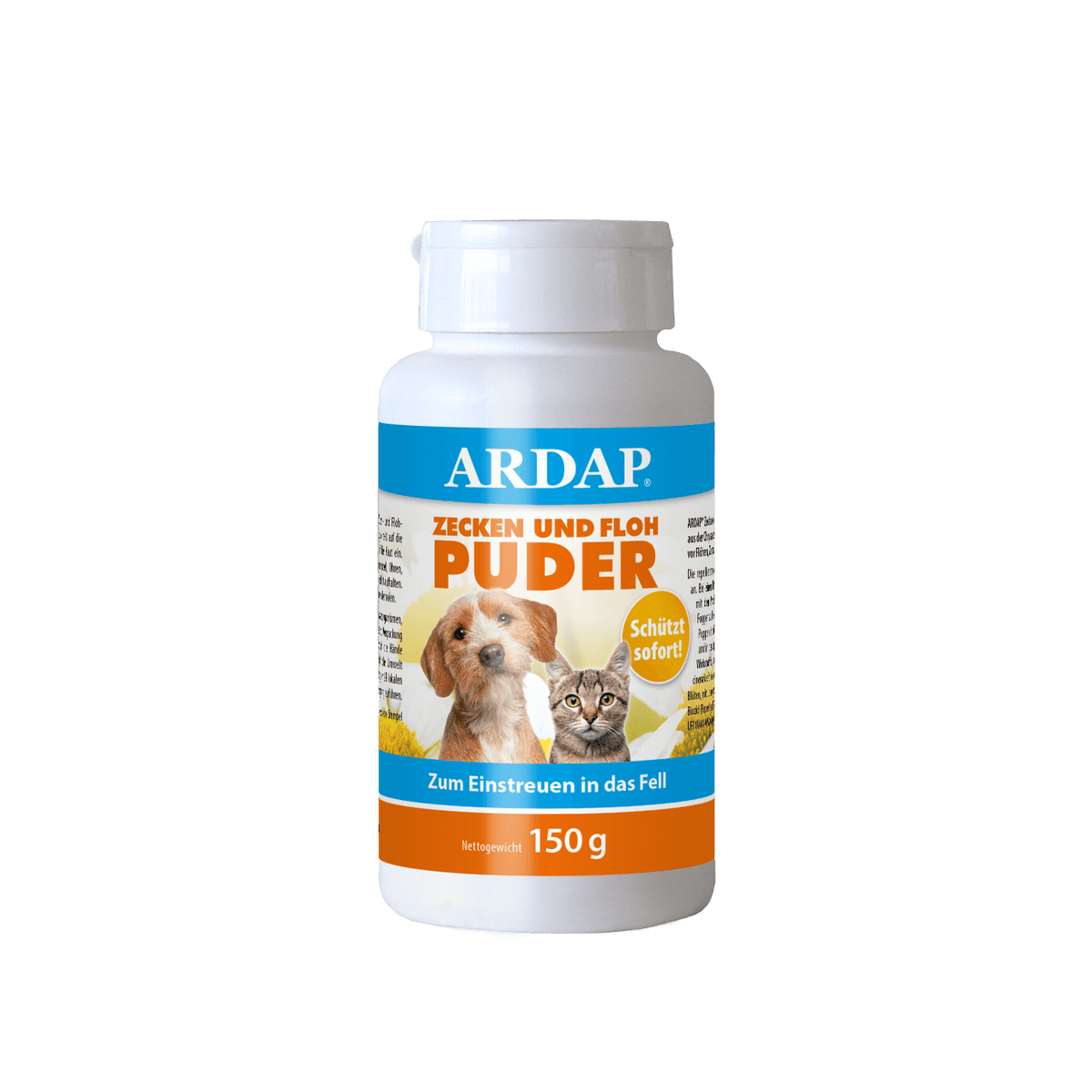
The ARDAP tick powder for dog & cat also effectively keeps ticks and fleas away from pets and can be used complementarily to the spray or for special needs. Lightly sprinkle the powder into the fur to provide typical tick bite sites with an extra dose of protection.
Anti-tick dog shampoo
With the ARDAP tick shampoo for dogs, you clean and refresh your dog's fur. The shampoo gently removes dirt and unpleasant odors, leaves a hygienically clean, well-groomed dog coat after washing or bathing, and at the same time acts as a repellent against ticks and fleas.
Lyme disease in dogs: An overview
- Borrelia pathogens are transmitted to dogs by ticks; the main carrier is the common wood tick.
- Typical Lyme disease symptoms in dogs are fever, fatigue, loss of appetite, and lameness. In severe cases, chronic joint inflammation and neurological symptoms can develop and remain as consequential damage.
- Lyme disease in dogs is usually curable
- The best protection against Lyme disease is the avoidance of tick bites through regular tick checks and effective repellents.