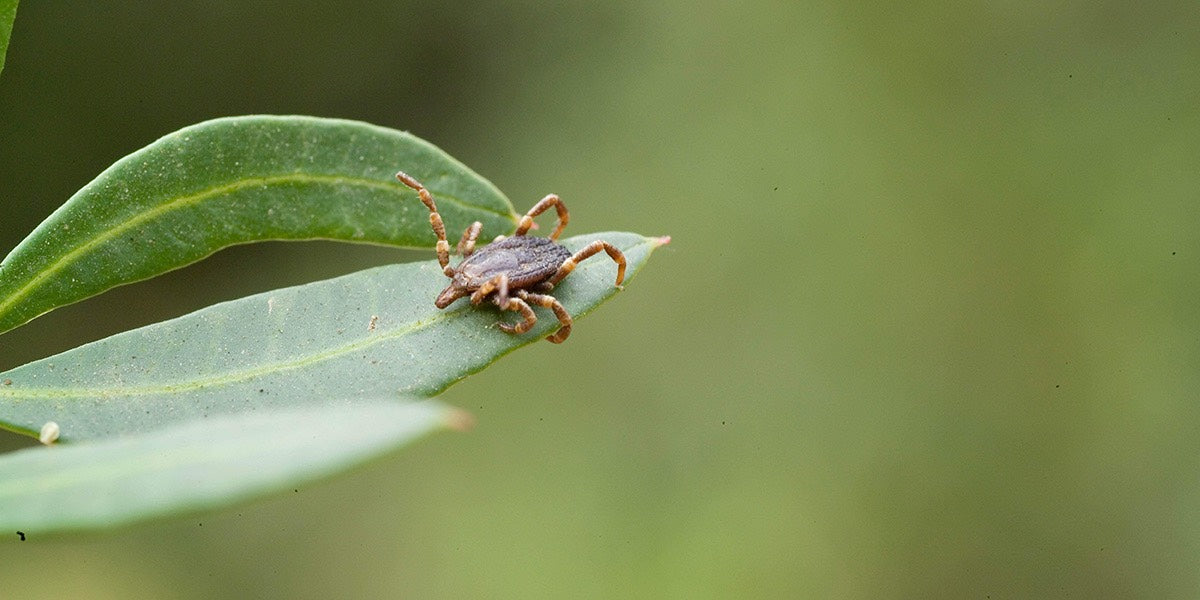
Unfortunately, cats can also get sick from ticks, which is why effective prevention is particularly important for outdoor cats. In close cooperation with our expert, the experienced veterinarian Prof. Dr. med. vet. Norbert Mencke, a specialist in veterinary parasitology, we will inform you below about diseases in cats transmitted by ticks, as well as reliable options for tick prevention.
Why tick bites can become a problem for your cat
Although cats are less likely than dogs or humans to become seriously ill after being bitten by an infected tick, outdoor cats should be protected year-round. Although cats generally have a robust immune system, infectious diseases such as Lyme disease or anaplasmosis can also cause problems in cats. In addition, cats often suffer from skin reactions at the bite site. If they are then plagued by severe itching or painful swelling, they may scratch the wound, which can lead to inflammation or abscesses.
To permanently protect a cat from tick bites and the associated health risks, there is only one option: consistent tick protection using effective repellents that reliably keep parasites away from your pet - all year round.

Where can cats get ticks?
Ticks feel comfortable almost everywhere cats like to roam. They love shady spots, sheltered hollows, meadows, bushes, and gardens with unmown grass and dense vegetation. For domestic tick species such as the common wood tick, cats are ideal hosts. They appeal to the slow, weak, eyeless, and cautious tick in many ways, because a cat is accustomed to thoroughly patrolling its territory every day and thus coming into contact with practically everywhere. It also likes to lie down in the grass for an hour or sit in various lookout spots. This gives lurking ticks many good opportunities to brush off as it passes by and crawl into the warm cat fur, where it can search for a suitable patch of skin for its blood meal.
To prevent dozens of these unwelcome parasites from settling on your cat every day, especially in tick-rich summers, cat owners should use effective repellents to prevent tick bites year-round.

Lyme disease in cats
Lyme disease is a bacterial infection, and the pathogens (Borrelia) are transmitted by the common wood tick. Cats, like dogs, become infected by ticks carrying Borrelia. This triggers an immune response. However, no clinical diseases, i.e., directly observable symptoms or complaints, have been described in cats.
Anaplasmosis and ehrlichiosis in cats
Anaplasmosis and ehrlichiosis are also bacterial infections. Anaplasmoses are mainly transmitted to cats by the common wood tick (Ixodes ricinus), while the primary vector of ehrlichia is the brown dog tick (Rhipicephalus sanguineus). However, both diseases occur very rarely in cats.
Because the symptoms are similar, the two diseases are often confused. In sick cats, the clinical symptoms of anaplasmosis are non-specific and include fever, loss of appetite, and lethargy. Laboratory tests show a decrease in platelets (thrombocytopenia), lymphocytes (lymphopenia), and a reduced number of red blood cells (anemia). However, these blood values have also been described for other infections.
Ehrlichiosis can also cause an increased tendency to bleed. It is important to detect both diseases early and have them treated by a veterinarian to avoid serious health consequences.

Important: Disinfect the inflamed bite site
An inflamed tick bite can quickly lead to skin infections in cats. To prevent this, you should disinfect the bite site after removing the tick and monitor for any signs of inflammation in the following days. Monitoring and disinfection prevent complications that can affect your cat's well-being and health. For wound care, a wound spray or wound gel is ideal.
Many cats react very sensitively to parasites. Frequent tick bites keep them permanently stressed and disrupt their normal, calm routine. This can be accompanied by drastic behavioral changes such as lethargy, aggression, anxiety, or loss of appetite. Fortunately, you can easily spare your cat this by consistently using an effective tick repellent containing pyrethrum from chrysanthemum flowers, which reliably prevents parasite infestations.
Protection for cats and owners
When providing tick protection for your cat, you should be consistent to protect the animal, as well as yourself and others. Also keep in mind that not only ticks but also fleas like to infest cats, and rely on reliable tick and flea repellent products, which are also available in combination.


Ticks on the move: From the cat to humans
If cats bring ticks home that have not yet attached themselves, these can also transfer to humans. For example, a tick can transfer to you if you pet your cat or if it lies on your bed or sofa. However, in principle, infection only occurs through the tick bite itself. Pathogens cannot be transmitted directly from the pet to humans.
The two best-known vector diseases in humans that can be transmitted by ticks are early summer meningoencephalitis (FSME), a viral disease, and Lyme borreliosis, which is caused by bacteria. FSME is the only tick disease for which humans can be vaccinated. There is no vaccine against Lyme disease for humans, but there is one for dogs.
If your cat is infested with an infected tick, FSME viruses or Borrelia can be transmitted to the pet. However, clinical diseases caused by FSME have not been described in cats, and Lyme disease is very rare.

Find and remove: Where are ticks located on the cat?
In addition to consistent tick prevention, you should regularly and carefully check your pet's fur for ticks. Most cats will happily tolerate this if you combine the search with plenty of petting and stroking and simply feel along the cat's skin centimeter by centimeter. The ARDAP Flea and dust comb is also well suited for finding parasites. In addition, the rounded teeth provide gentle grooming, and the sturdy plastic handle with a soft rubber insert fits comfortably and securely in the hand.
If a tick has attached itself, the bite site in cats swells up relatively quickly, so even a tiny, newly attached tick can be sitting in a pronounced lump. The sooner you remove the parasite, the lower the risk that pathogens will enter the cat's body or that stronger skin reactions will occur at the bite site.
The ARDAP Tick hook 3-pack, which you can also attach to your keychain and thus take everywhere with you, was specially developed to securely grasp and hold firmly attached ticks and quickly remove them. The 2-in-1 tool, the ARDAP Tick hook with tweezers, makes it possible to safely and effortlessly remove even the smallest parasites as well as thorns or splinters with just one tool, in addition to prying out larger ticks.

Protection through prophylaxis: Repellents for cats
If your cat is accustomed to (or can easily be accustomed to) wearing a collar, the ARDAP Tick collar for cats provides the longest continuous preventive effect for four months based on the active ingredient pyrethrum from chrysanthemum flowers.
Alternatively, the ARDAP Spot-On for cats provides four weeks of protection per tube and is applied directly to your pet's skin. You put a few drops of the Spot-On on an exposed patch of skin on the neck and stroke the fur over it again. This reliably protects your cat from ticks and fleas.
The prevention of ticks, but also fleas on the cat using a collar or Spot-On, can be supplemented with other products if necessary. If you live in a very tick-rich region, the ARDAP Tick spray as well as the ARDAP Tick powder for dog and cat are suitable for this. Both products are ideal for the targeted protection of particularly vulnerable body areas. The most effective application is before the cat sets off on its daily patrol. By treating the neck, belly, chest, base of the tail and other areas where ticks particularly like to attach themselves to cats, you once again specifically support a particularly strong repellent effect.
You can combine various ARDAP products to combat ticks and other pests to ensure year-round, reliably repellent protection for your cat.
Matching video with application tips: