- Silverfish or firebrats? Tips for telling them apart
- Prevention measures against silverfish infestations
- Control silverfish and firebrats - but do it right!
- Conclusion

Silverfish or firebrats? Tips for telling them apart
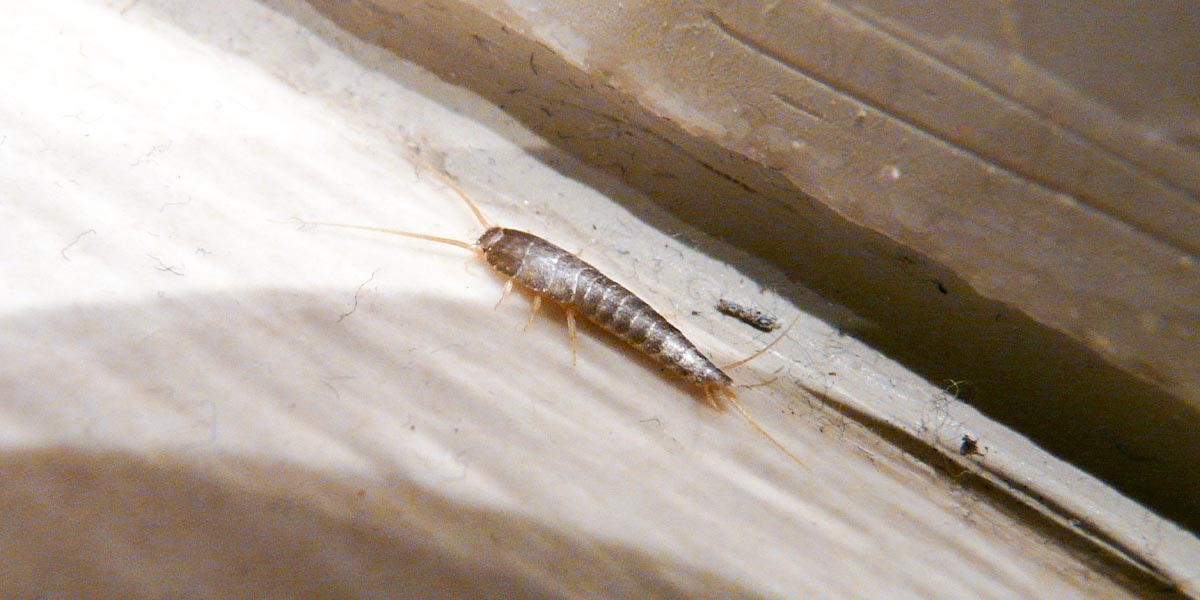
Silverfish (Lepisma saccharina) and firebrats (Ctenolepisma longicaudata) are insects belonging to the subclass Zygentoma (Zygentoma). They belong to the family Lepismatidae. These wingless insects are characterized by their elongated, scale-covered bodies, which give them their characteristic silvery shimmering or silver-gray appearance. They are among the most primitive insect species and have hardly changed over millions of years: Both types of silverfish have an elongated, flattened body with a metallic shimmering surface. Measuring about 6 to 15 millimeters, these animals are relatively small, but can still cause considerable problems in the home.
As light-averse animals, they prefer to move in the dark and are noticeably quick and gliding in their movements.

The most important features at a glance
To effectively distinguish between silverfish and firebrats, it is worth taking a closer look at their characteristic features. The slightly smaller silverfish are characterized by their shorter, stockier body shape and predominantly silver-gray coloration. Their movements resemble the gliding of a fish, which is why they bear this name. Firebrats, which grow to a size of 10–15 mm, have a more elongated body shape, often with a slight brown or bronze tint. Their significantly longer antennae and tail appendages make them look somewhat more delicate.
| Feature | Silverfish (Lepisma saccharina) | Firebrats (Ctenolepisma longicaudata) |
|---|---|---|
| Body shape | shorter, stockier, usually 6–12 mm long | longer, slimmer, 10 to 15 mm long |
| Color | silvery shiny | silver-gray to bronze-colored |
| Antennae | shorter, proportional to body size | longer, more noticeable |
| Habitat | damp rooms such as bathrooms, basements, or laundry rooms | dry, warm places such as attics, bookshelves, or behind wallpaper |
| Humidity | preferably 75–90% | preferably 50% |
| Diet | carbohydrates such as sugar, starch, mold, omnivores | paper, cardboard, book glue, cellulose-containing materials, omnivores |
| Activity time | nocturnal, avoids light | nocturnal, avoids light |
| Movement | wavelike gliding, resembles fish | similar, but slightly slower and more elegant |
| Damage | rather minor, only annoying | considerable damage to books, wallpaper, and documents |

Habitat and diet: The big difference
Silverfish and firebrats differ significantly in their habitats and dietary habits. Silverfish require an environment with high humidity of over 75 percent and are therefore frequently found in damp rooms such as bathrooms, basements, or laundry rooms. Here they find ideal conditions to reproduce undisturbed. Their diet consists of starchy substances such as paste and sugar, but also mold, which is why they are also frequently considered an indicator of building damage.
Firebrats, on the other hand, prefer drier and warmer conditions. They often nest in attics, behind loose wallpaper, or in bookshelves. Their diet consists of cellulose-containing materials such as the namesake paper, cardboard, or book glue. This is also why firebrats frequently enter our homes via shipping boxes.

Damage caused by silverfish and firebrats
Silverfish are not considered direct pests, but they may cause feeding damage to starchy materials such as adhesives, paper, or textiles. Especially in kitchens or pantries, they can feed on food scraps or insufficiently sealed food. The actual damage is caused by their droppings or molting remains, which can trigger allergies.
Firebrats pose a real danger, especially to books, documents, and wallpaper. They feed on cellulose-containing materials and leave feeding traces that can significantly reduce the value of archives, collections, or valuable works of art. In private households, they frequently damage wallpaper, cardboard boxes, or book spines, which can lead to high repair or replacement costs in the long run.
What to do in case of silverfish and firebrat infestations
An infestation of silverfish or firebrats is a problem that must not be ignored. Taking action against these unwanted housemates requires consistency and planning. Because one thing is clear: the silverfish do not simply disappear on their own – early and decisive measures are necessary to maintain control over the situation.
Prevention measures against silverfish infestations
Repel instead of waiting
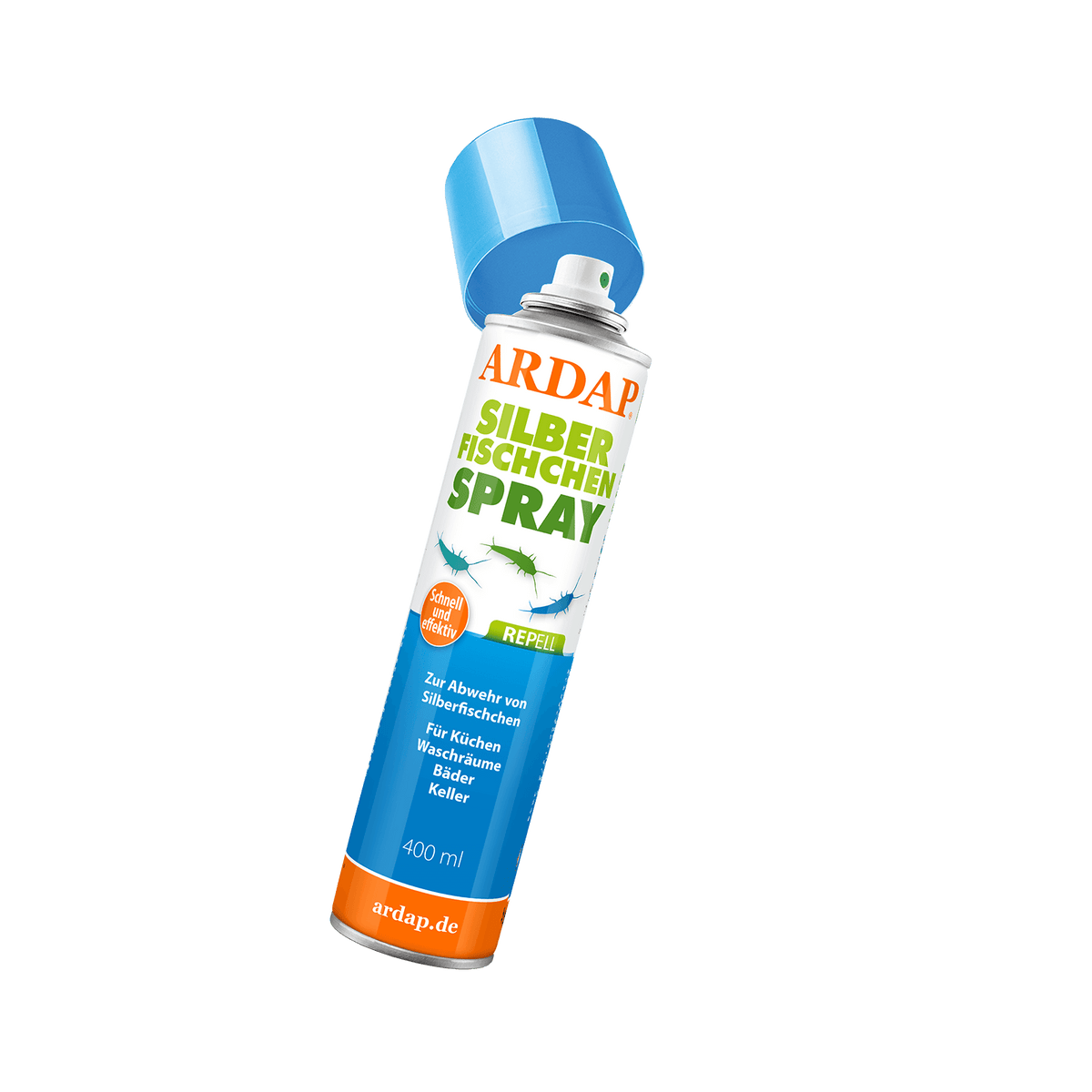
As soon as you spot even a single silverfish, you should take appropriate measures immediately – one specimen almost always indicates an existing infestation. The ARDAP Repell Silverfish Spray offers a reliable way to repel the insects. It is applied directly to the animals' preferred resting places, such as cracks, joints, or walls. Thanks to its repellent effect, it effectively prevents further silverfish from settling.

Works quickly and effectively
To repel silverfish
For kitchens, laundry rooms, bathrooms, basements
To the productDon't waste time with home remedies
Home remedies such as lemon, lavender, or homemade traps are often touted as simple solutions against silverfish or firebrats. In reality, however, these methods are mostly ineffective and can even worsen the infestation. For example, sugar traps or baking paper with honey often attract even more and other insects without effectively reducing the existing population. Another disadvantage of home remedies: they offer no long-lasting effect and mostly require considerable effort to apply. Therefore, you should not waste your time and effort on ineffective home remedies.

Control silverfish and firebrats - but do it right!
Targeted control of silverfish and firebrats requires not only the right products, but also a basic understanding of their behavior and habitats. An effective control strategy therefore combines preventive measures with proven products such as bait boxes, foggers, and long-lasting sprays that control and kill silverfish.
Every little creature has its own preferences – choose the right products
Silverfish and firebrats have different hiding places and behaviors, which is why a combination of targeted and comprehensive measures makes sense. For silverfish, which often stay in damp areas such as bathrooms, repellent sprays are suitable, as they repel the insects before they can settle. Firebrats, on the other hand, live in drier, hard-to-reach areas such as attics or behind wallpaper and require different control approaches.
With the ARDAP Pro products, which were specially developed for the control of silverfish and firebrats, individual infestation situations can be optimally treated.

Attractive feeding baits
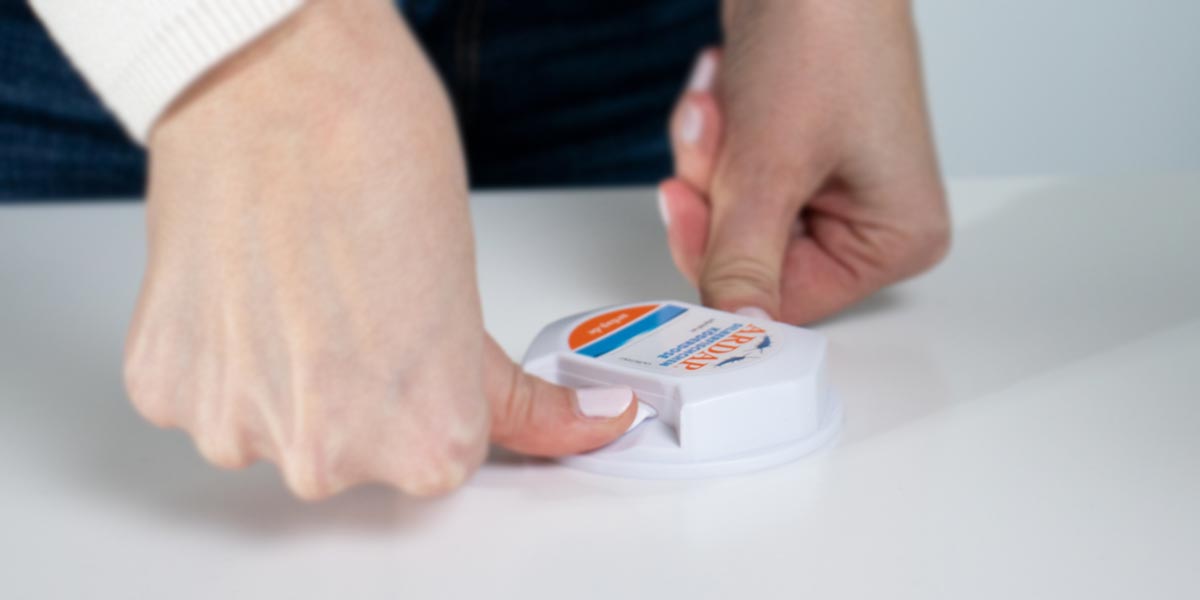
The use of bait boxes is one of the most effective methods for targeted control of silverfish and firebrats. The ARDAP Pro Bait Box offers a particularly simple but effective solution. The box contains an attractive attractant that draws in the insects. As soon as they take the bait, they carry it to their hiding place, and the active ingredient begins to work. This interrupts further reproduction.
A major advantage of the bait box is its ease of use: it can be discreetly placed in areas such as behind furniture, under cabinets, or on shelves. This makes the bait box a reliable solution, especially for firebrats, which often stay in hard-to-reach hiding places.

True all-rounders – foggers and sprays
For large-area control or hard-to-reach areas, foggers and long-lasting sprays are the ideal products.
The ARDAP Pro Fogger distributes a fine mist evenly throughout the room. This is particularly effective in cases of a heavier infestation of silverfish or firebrats, as the spray mist is distributed evenly throughout the entire room, directly controlling the insects. At the same time, their eggs and larvae are rendered harmless.
The ARDAP Pro Long-Lasting Flea Spray can be precisely applied to cracks, wallpaper, or bookshelves, where firebrats often find refuge. The spray and fogger not only work immediately but also offer a long-lasting effect of up to six months, preventing re-infestation.
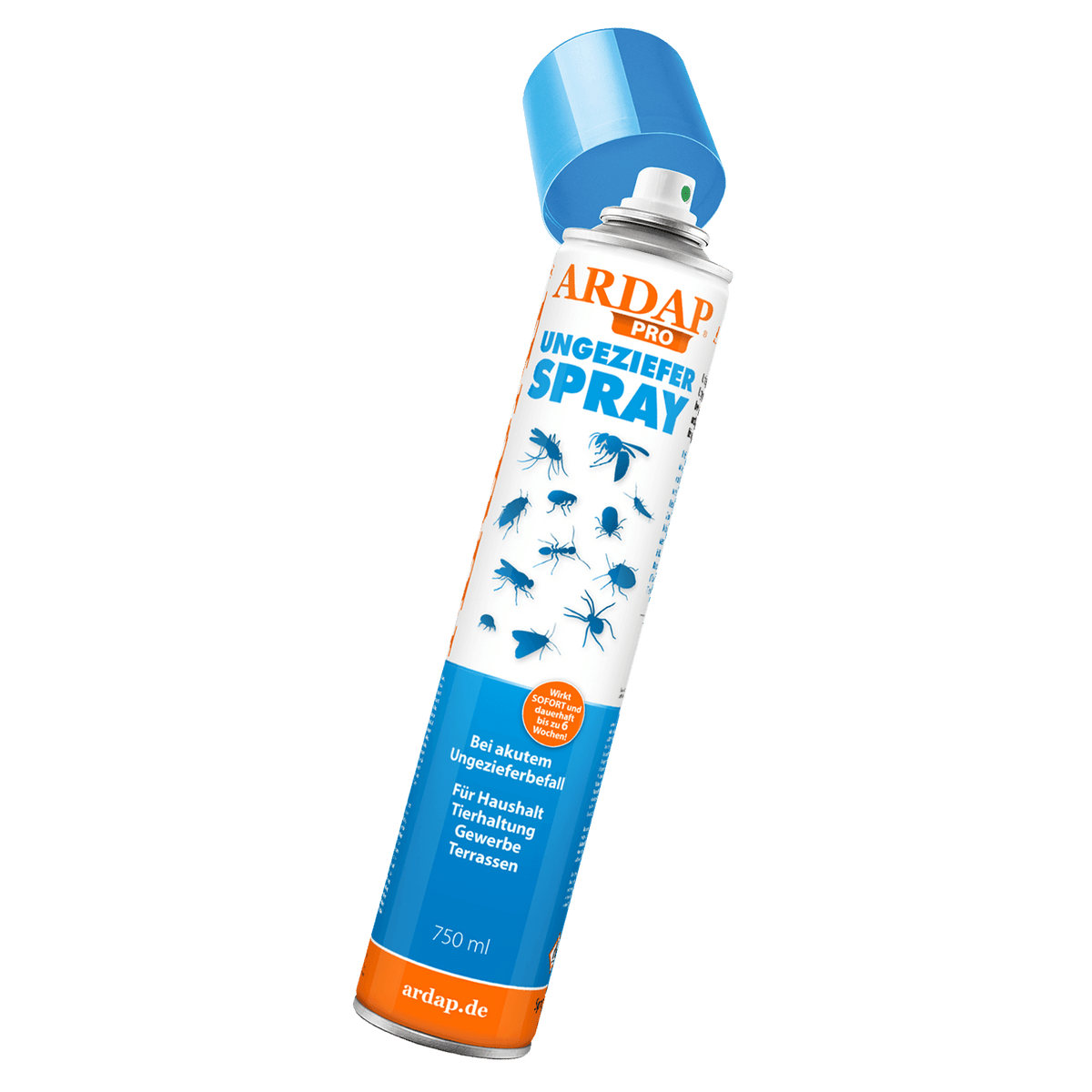
The ARDAP Pro Pest Control Spray is also sprayed directly onto the pests' hiding places and thus also offers an effective solution - especially for hard-to-reach areas. Targeted application reliably reduces the population and thus enables a pest-free environment with a long-lasting effect of up to 6 weeks.
For optimal all-round control, it makes sense to use a spray and the ARDAP Pro Fogger in combination with the ARDAP Pro Bait Box.

Supporting measures
In addition to using sprays or baits, it is important to arrange the environment so that it becomes as unattractive as possible for silverfish and firebrats. Regular airing should be at the top of the list of measures, especially in damp rooms such as bathrooms or basements. Cross-ventilation reduces humidity, which is an important factor for silverfish to settle. In areas without windows, dehumidifiers can be used to reduce moisture in the air.
Another important step is the removal of retreat places. Small cracks, gaps, or loose wallpaper provide ideal hiding places for the insects. By sealing such hiding places and additionally removing potential food sources, it becomes increasingly uncomfortable for the silverfish. Regular cleaning, especially in damp rooms, also helps to deprive the silverfish of their habitat.
Conclusion
Silverfish and firebrats are unwanted guests that are either attracted by moisture or cellulose-containing materials. While silverfish prefer damp rooms such as bathrooms or basements, firebrats seek out warmer, drier hiding places and can cause considerable damage to books, wallpaper, and documents. Distinguishing between the two types based on features such as body shape, habitat, and diet is important for taking appropriate measures.
Controlling these insects requires a combination of prevention and targeted control products. Preventively, measures such as regular airing, sealing cracks, and reducing moisture help. For efficient control, the ARDAP Repell Silverfish Spray is also available. For active control, highly effective products such as the ARDAP Pro Bait Box, the ARDAP Pro Fogger, or sprays from the ARDAP Pro range are recommended. Home remedies, on the other hand, are mostly ineffective and can even worsen the infestation. Using specially developed products saves time and effort, ensures quick results, and provides long-term protection.