In this article, we focus on the biology, behavior, and potential harmful effects of the comb silverfish and show you how to detect and control an infestation. With the support of our expert, parasitologist and veterinary specialist Prof. Dr. med. vet. Norbert Mencke, we provide you with sound advice and present effective measures for combating comb silverfish and other silverfish.
- What exactly are silverfish?
- Not just another silverfish: the comb silverfish
- Harmful effects of comb silverfish
- Keep them out: specifically repel comb silverfish
- Avoid damage! Combat comb silverfish promptly
- Conclusion

What exactly are silverfish?
Silverfish (Zygentoma) are ancient insects belonging to the Lepismatidae family that have existed for over 300 million years. They are thus among the oldest insects and have hardly changed over millions of years. There are various silverfish species worldwide that differ in their appearance, behavior, and preferred living conditions. The best-known species in Germany are:
- Common silverfish (Lepisma saccharinum): moisture-loving, requires at least 75% relative humidity to establish itself permanently and reproduce.
- Paper silverfish (Ctenolepisma longicaudatum): prefers dry, warm areas; can severely damage books, photos, and documents; particularly feared in archives, museums, and valuable collections.
- Firefish (Thermobia domestica): heat-loving; often lives in boiler rooms or bakeries; particularly problematic in food areas with strict hygiene requirements.
- Ghost silverfish (Ctenolepisma calvum): loves warm and dry conditions; comes from warm countries and is increasingly spreading in Germany through imported goods.
- Comb silverfish (Ctenolepisma lineata) resemble the common and paper silverfish in appearance, but differ by their characteristic scale structure and their ability to survive and reproduce even under relatively unfavorable conditions.


Not just another silverfish: the comb silverfish
All silverfish resemble each other, yet every species has its own characteristics and preferences. This also applies to comb silverfish, which are close relatives of the common silverfish, but still represent a separate species in the large silverfish family.
Appearance and special features
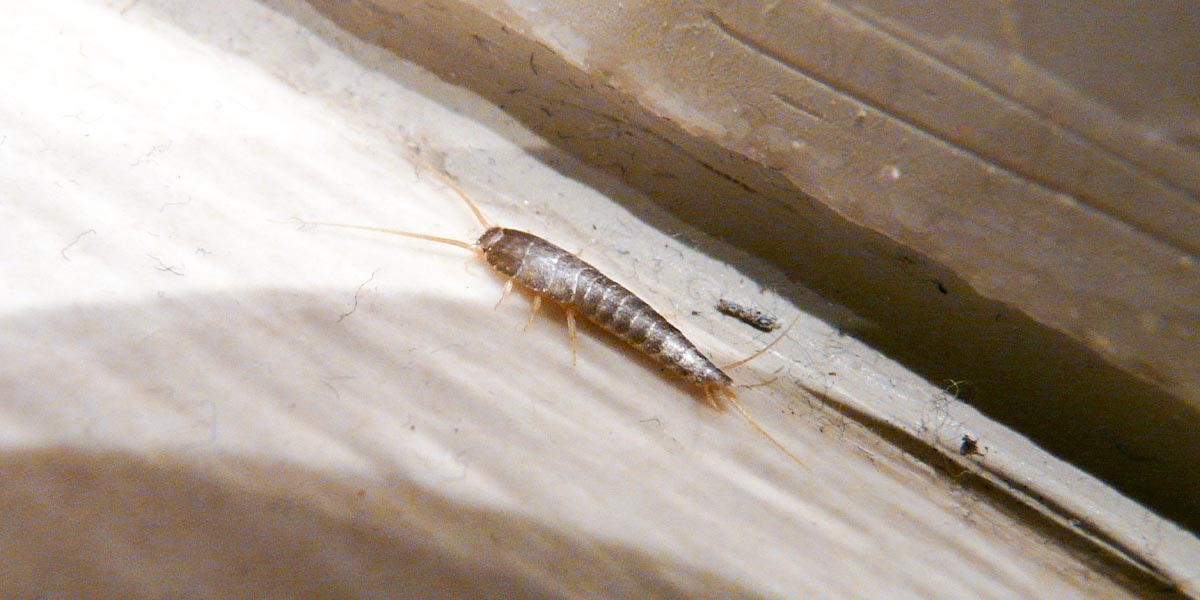
Comb silverfish have an elongated, spindle-shaped body like other silverfish, which is divided into segments and covered with tiny, finely combed scales. The scales are characteristic of the appearance of the respective silverfish species. However, in the comb silverfish, they do not shine silver or pearlescent like common or ghost silverfish, but are matte, giving the insects an almost velvety appearance. Comb silverfish are usually gray to dark brown and about 11 to 19 millimeters long. Like other silverfish, the two antennae as long as the body on the head and the three tail filaments on the abdomen are particularly striking. These antennae help the nocturnal animals to feel their surroundings, perceive air movements and vibrations, maintain their balance, and move and orient themselves safely even in complete darkness.

Occurrence and distribution
Some silverfish species, which originally come from warmer, tropical or subtropical regions, are increasingly finding their way to Germany and Central Europe through international trade and the warming climate. This includes not only the paper silverfish and the ghost silverfish, but also the comb silverfish. These are originally native to tropical to subtropical regions, but thanks to the pleasant warmth in heated buildings, they have now also established themselves in Germany and throughout Central Europe, where they arrive via imports. Although comb silverfish are still rather rare here, they will probably also become native silverfish in the foreseeable future. Their high adaptability enables them to survive even in less than ideal environments, as long as they can find enough food and dark hiding places. In the home, comb silverfish prefer to stay in dry, warm areas such as attics, living rooms, or behind furniture. There, they use small cracks, crevices, or cavities as hiding places.

Lifestyle and diet
Comb silverfish are omnivores and feed on starch- and sugar-containing substances, similar to their relatives, the common and paper silverfish. However, they can also utilize proteins and fats contained in skin scales, hair, or animal remains. Their menu includes, among other things:
- Cellulose (paper, cardboard, wallpaper)
- Starchy adhesives (book glue, wallpaper paste)
- Natural fibers such as cotton, linen, or silk
- Organic residues (dust, hair, skin scales, remains of other insects)
During the day, the light-averse animals hide and only become active at night. They move quickly and smoothly and are therefore difficult to catch; a running silverfish can cross a 5-meter-wide room in a few seconds and disappear into the next crack before you can even take a close look at it.

Harmful effects of comb silverfish
Comb silverfish are not harmful to humans, domestic animals, or livestock. However, they are considered material pests because they can nibble on a variety of materials containing organic substances. Feeding damage is particularly common on books, wallpaper, cardboard, and textiles.
Danger to humans?
Comb silverfish do not pose a direct health risk to humans. They do not transmit pathogens, bite or sting, and do not suck blood. Nevertheless, they are generally unwanted houseguests, as they leave traces, damage material, and can indicate hygiene deficiencies.
In addition, comb silverfish - just like common silverfish - are often an indicator of an overly damp indoor or living environment, which also promotes mold formation. Since they use mold spores as a food source, they like to live near fungi and are therefore also frequently discovered together with moldy areas. Mold should be specifically addressed, as it can pose a serious risk to human health.
Just a museum pest?
Comb silverfish can cause damage to books, photos, and cardboard in archives, libraries, and museums. But they can also become material pests in domestic environments if they eat books, wallpaper, textiles, or shipping packaging. Similar to paper silverfish, they therefore pose not only a problem for museums and public libraries, but also for private book collections, clothing, and storage rooms, where they leave not only feeding traces but also droppings and other remains (e.g., from molting).

Keep them out: specifically repel comb silverfish
Repellents are deterrents that can specifically keep pests and harmful insects away or repel them. They contain active ingredients whose odor or taste prevents insects or other pests from entering the treated areas, establishing themselves there, and reproducing.
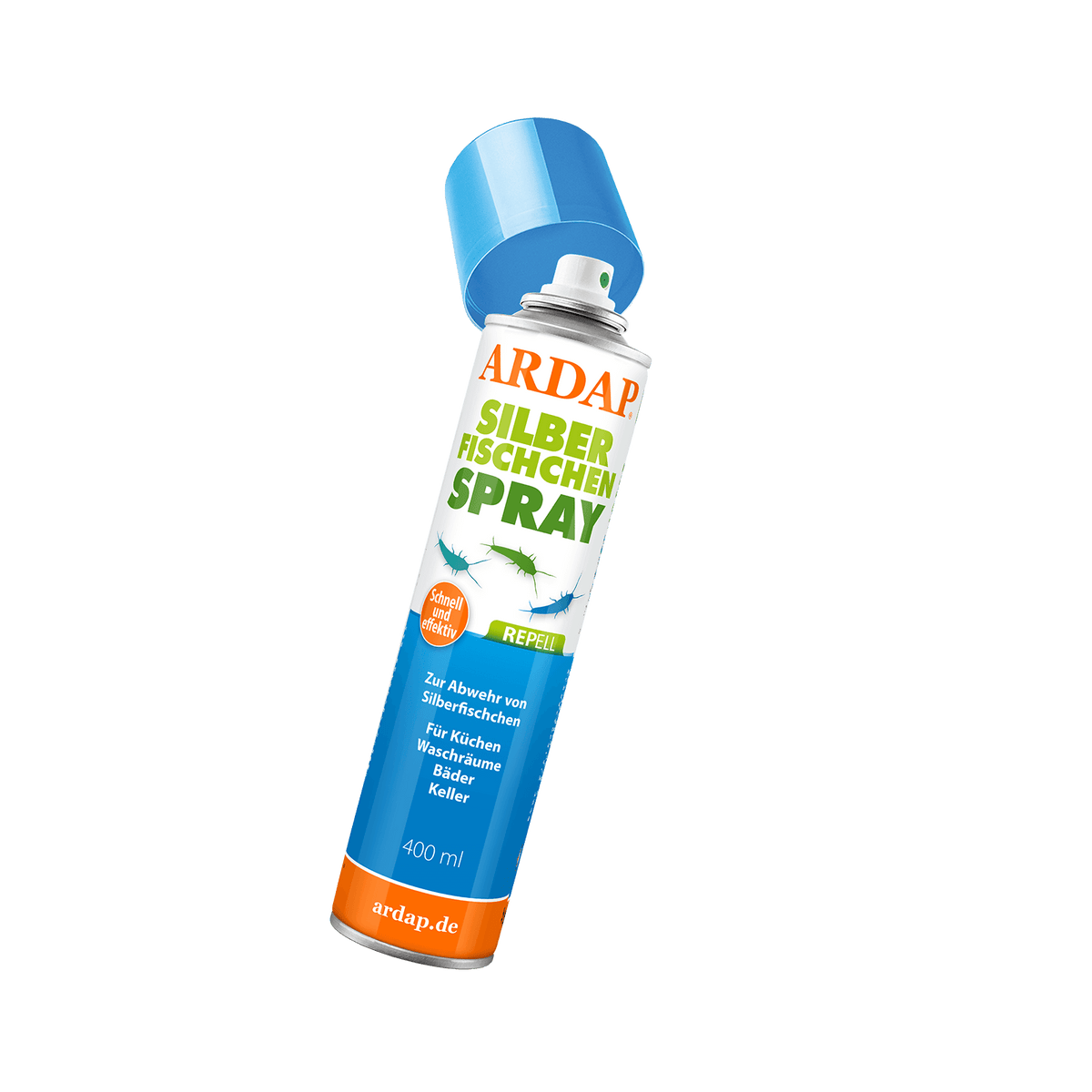
The ARDAP Repell Silverfish Spray offers a simple yet highly effective way to keep comb silverfish away. The spray contains pyrethrum, an active ingredient derived from chrysanthemums, which has a deterrent effect on silverfish and numerous other insects and arachnids. The repellent can thus prevent infestation, repel existing comb silverfish, and prevent the re-establishment of silverfish. It is also suitable for warm, damp rooms such as bathrooms and kitchens.

Avoid damage! Combat comb silverfish promptly
An acute infestation of comb silverfish requires targeted measures. With an insect fogger, you can combat the pests and quickly and safely get rid of other pests as well.
The ARDAP Pro Fogger distributes a highly effective insecticide in the form of a fine mist, which spreads throughout the entire room of 30 or 60 m2. With a long-term effect of up to six months, it is particularly effective against stubborn infestations and all developmental stages of the pests. Also colloquially referred to as a pest or flea bomb, the fogger is not only suitable for combating silverfish of all kinds, but also works quickly and reliably against fleas, carpet beetles, ticks, moths, mosquitoes, ants, spiders, and other pests.

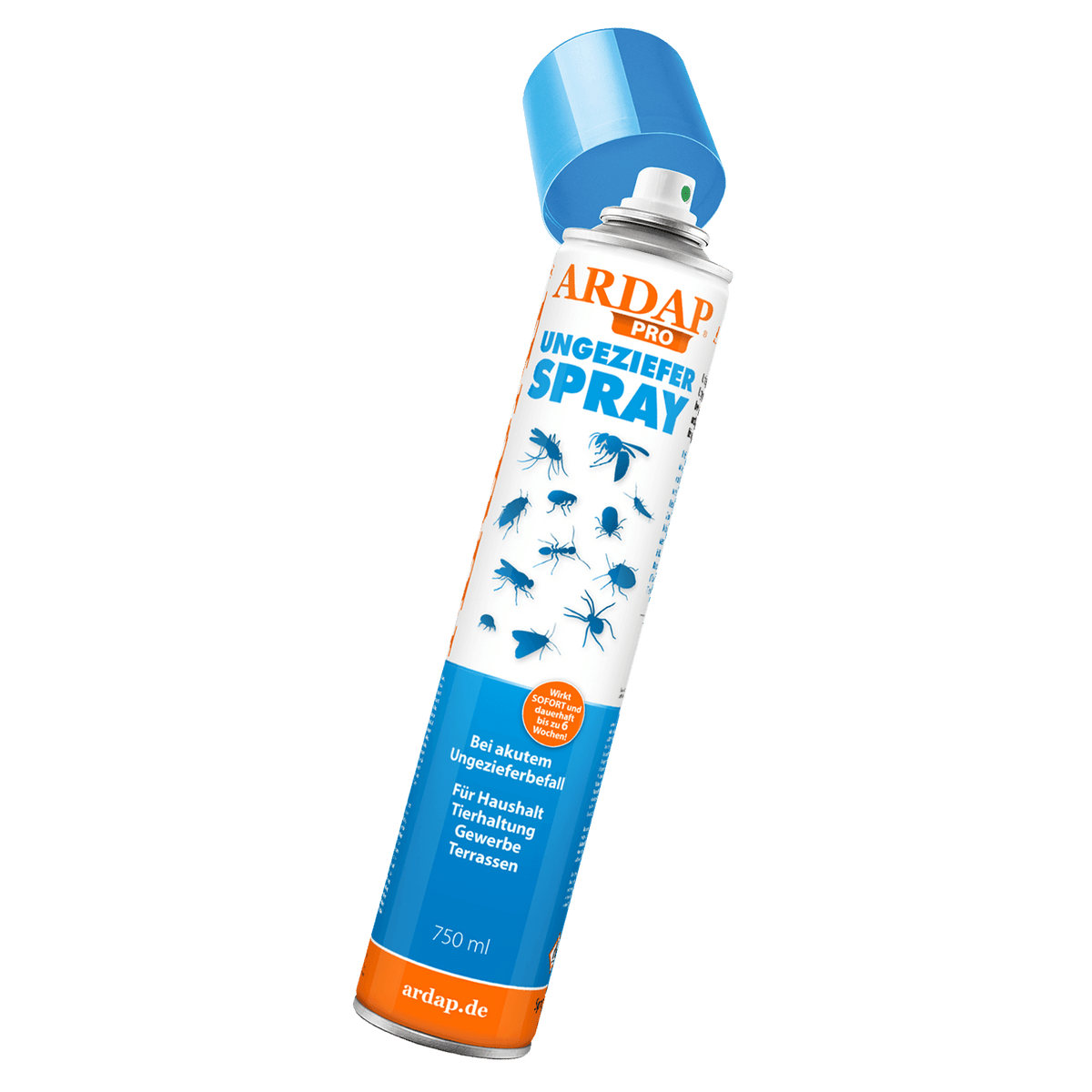
For a very targeted treatment of individual or hard-to-reach areas, special pest sprays are also used. Thus, both the ARDAP Pro Pest Spray and the ARDAP Pro Long-Term Flea Spray are suitable not only for combating fleas and other bloodsuckers (e.g., ticks and mosquitoes). They are highly effective against comb silverfish, common silverfish, paper silverfish, carpet beetles, and other unwanted insects and arachnids. Thanks to precise dosing, both sprays enable pinpoint application, e.g., in corners, floor and furniture crevices, on wallpaper, or along baseboards. They work quickly and efficiently. The long-term flea spray contains a growth inhibitor and offers a long-term effect of up to six months. It is therefore an excellent solution if you want to quickly get rid of stubborn pests and their eggs and larvae and permanently remove them from living and working areas.

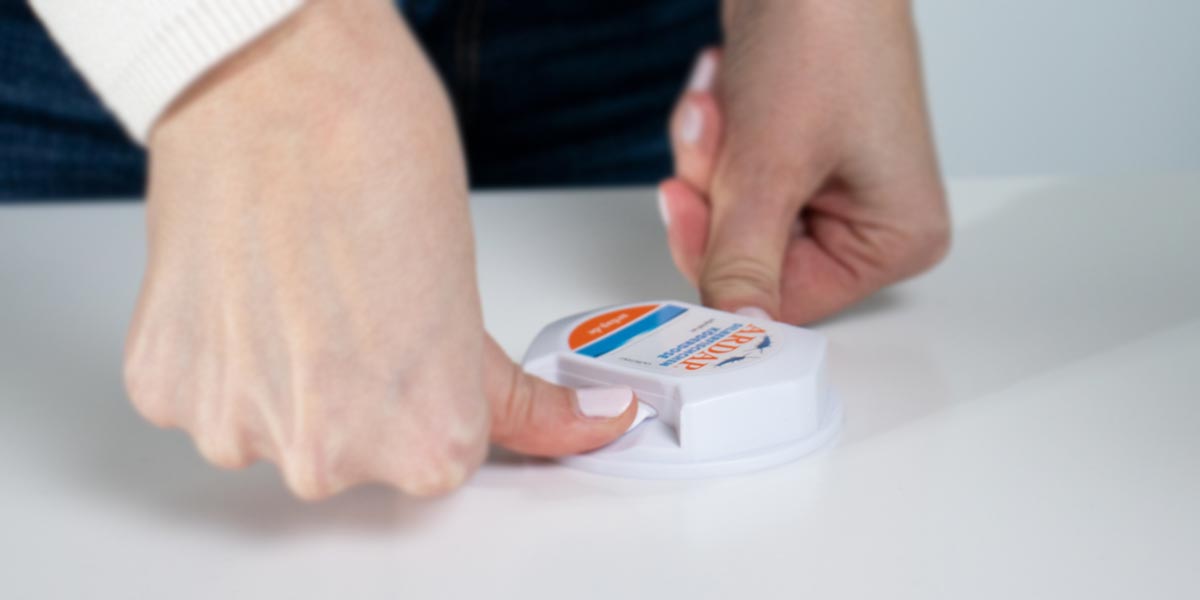
These measures are effectively complemented by the use of bait boxes. The ARDAP Pro Silverfish Bait Box reliably attracts comb silverfish and combats them by using a highly effective feeding bait. The insects carry the gel into their aggregations to their peers, where it takes effect within a short time and combats the pests within a few days.
Conclusion
To prevent an infestation of comb silverfish or quickly eliminate it, it is best to always start with the hiding places and food sources of the silverfish. By using ARDAP Repell products, you keep comb and common silverfish away quickly and effectively. In the event of an infestation, you can reliably and long-term combat the silverfish in various ways with products from ARDAP Pro.