Together with our expert, Prof. Dr. med. vet. Norbert Mencke, a specialist in parasitology, we will show you what you need to know about the “flying tick.”
- Are there flying ticks?
- What does the deer ked look like?
- Where is the deer ked found?
- How dangerous is the flying tick: Risks to humans and animals
- What does a deer ked bite look like?
- Protecting dogs and cats from ticks
Are there flying ticks?
The good news first: There are no flying ticks. The deer ked is called a “flying tick” and is sometimes confused with ticks because of its appearance and the fact that, like ticks, it becomes much larger by feeding on blood. Deer keds can also transmit pathogens, although the risk here is far lower than with tick bites.
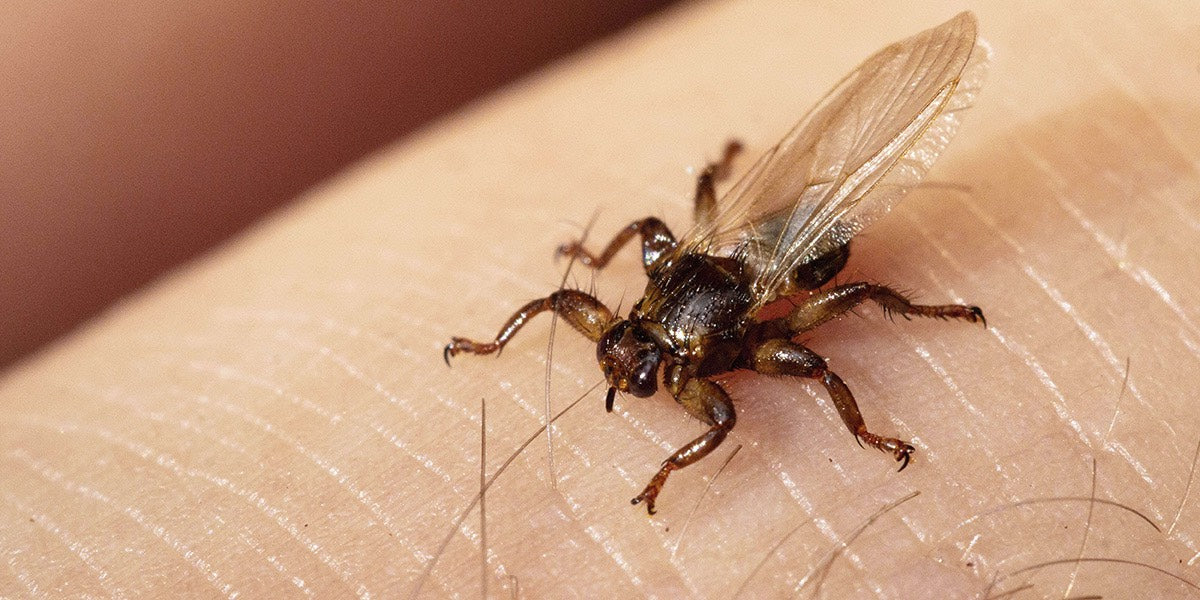
The deer ked (Lipoptena cervi) is an insect. It belongs to the family Hippoboscidae, which includes several genera that infest wildlife, birds, and other animals. The red deer is the preferred host of the deer ked. All deer keds also infest other hosts, including humans, dogs, and occasionally cats. Unlike ticks, which belong to the order Acari and are eight-legged arachnids, the deer ked has six legs and can fly—at least until it lands on a host animal.
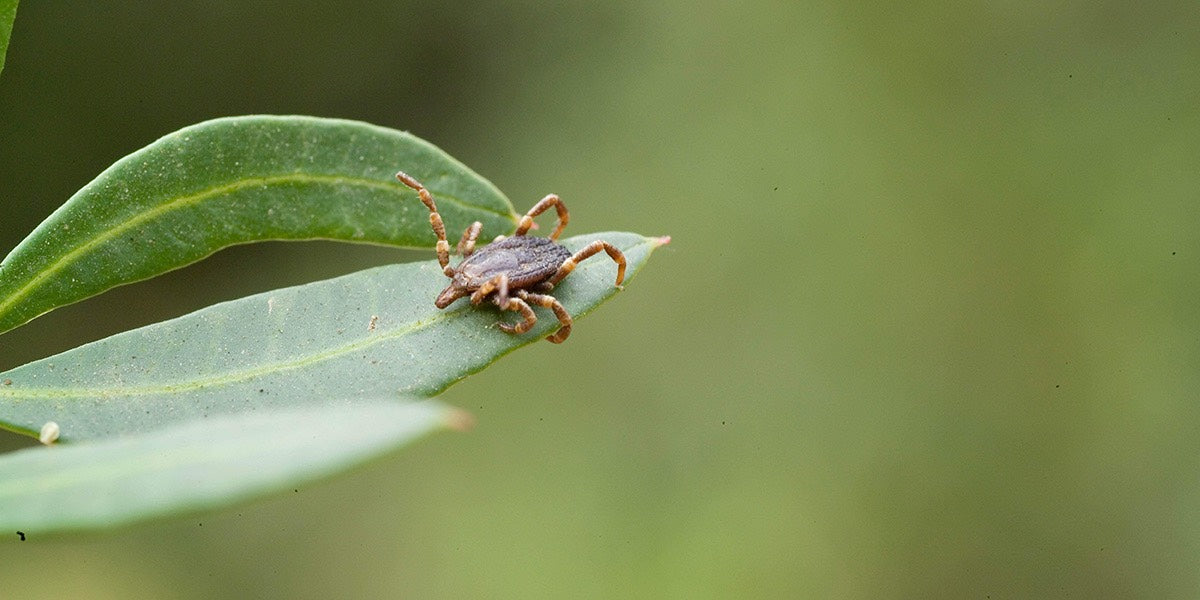
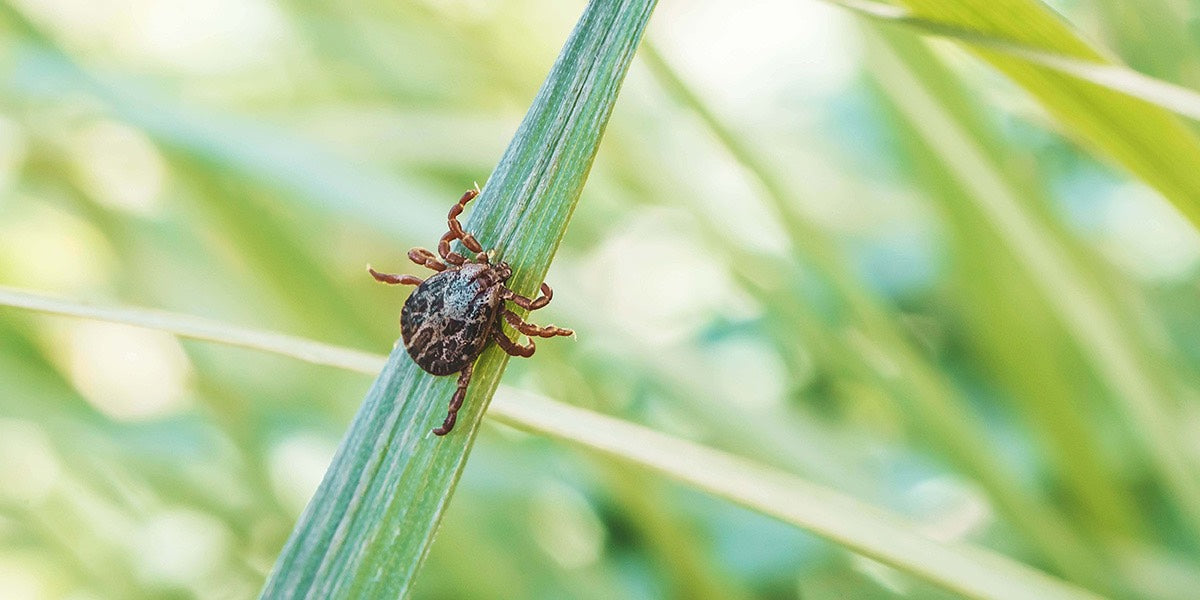
Ticks, on the other hand, have no wings and cannot fly. Most tick species found in Germany do not even have eyes. The tick therefore depends on a suitable host animal passing by where it sits and waits, for example on a blade of grass or in low bushes.

What does the deer ked look like?
At first glance, the deer ked only superficially resembles a tick. Its body is about five to seven millimeters long and reddish-brown. It has strong legs suitable for crawling quickly and features hooks that allow it to hold on to the fur of host animals. Deer keds occur in swarms and select their victims from the air. After landing, it sheds its transparent wings and remains on its host until the end of its life, provided it is not removed. It prefers to hide in fluffy fur and thick hair, where its small size makes it difficult to detect, especially after it has shed its wings.
Once it has found its host, the deer ked begins to feed on blood with its piercing-sucking mouthparts. This causes its abdomen to swell significantly, much like that of a tick. Unlike ticks, which attach themselves to only one spot and drop off after feeding, deer keds bite again and again and feed on blood in many places. They never grow new wings after shedding their first pair. If they are found as wingless, engorged crawling animals, for example in a dog's fur, they can be mistaken for ticks.

Where is the deer ked found?
The deer ked is mainly found in forests and on their edges, with its highest prevalence in mixed, pine, and oak forests. It prefers habitats where it can find its preferred host, the deer, as well as other wildlife such as roe deer, wild boar, foxes, or badgers. In these areas, deer keds are often found in swarms. While they normally inhabit forest areas, they can also occur near parks or gardens, especially if they border forest areas.
Deer keds are currently most widespread in southern Germany, especially in forested regions such as the Black Forest, the Swabian Alb, and the Bavarian Forest. However, they can also be found in northern Germany, where red deer live in large forest complexes. Where there are dense forests and a variety of wildlife, the parasite finds ideal living conditions. But deer keds are also being found in increasing numbers in other parts of Germany, such as the low mountain ranges and forest areas along the rivers. Due to mild winters and rising temperatures, their range has expanded significantly in recent years, so we will have to expect this parasite more often in the future.

How dangerous is the flying tick: Risks to humans and animals
The deer ked can pose various risks to humans and animals, ranging from nuisance to potentially dangerous.
For animals:
- Pain, stress, and panic: The bite of the “flying tick” is painful for the animals. Dogs and horses, in particular, often react frantically to the bites.
- Skin inflammation: After the bite, skin inflammation can occur due to bacterial secondary infections, which can lead to wheals and sometimes even pus-filled wounds. These inflammations can also cause fever and malaise.
- Transmission of pathogens: Deer keds can transmit the pathogen “Bartonella schoenbuchensis,” which can promote skin inflammation in animals and cause bartonellosis. It is suspected that these bacteria can also be transmitted to humans, but this has not yet been scientifically confirmed.
For humans:
- Skin reactions: A bite from a “flying tick” can also cause skin reactions in humans, such as redness, itching, and swelling. Due to bacterial secondary infections, the bite marks can persist for several weeks and be so bothersome and painful that a doctor's visit becomes necessary.
- Possible infections: Some reports indicate that the pathogen “Bartonella schoenbuchensis,” which can be transmitted by deer keds, could also cause skin inflammation and non-specific symptoms in humans.
- Allergic reactions: Some people react allergically to deer ked bites and develop additional symptoms such as persistent itching, severe swelling, fever, or chills.

Deer ked on dogs
There are several ways to protect dogs from deer keds:
- Repellents: Repellents in sprays, protective collars, or spot-ons applied to the dog's fur can also repel deer keds. These repellent, i.e., repelling, products contain natural or synthetic active ingredients that often work against several types of parasites, including ticks and fleas. Choose a product that was developed specifically for dogs, and always use it exactly according to the manufacturer's instructions or veterinary recommendations.


- Protective clothing: In particularly affected areas, dogs can also wear protective clothing to reduce the surface area available to deer keds. This can be, for example, a tight-fitting dog shirt or a vest.
- Regular checks: After walks or visits to the forest, dogs should be thoroughly checked for deer keds or signs of bites. Pay particular attention to the belly area, the insides of the thighs, and the base of the tail; these are the preferred locations of deer keds. The ARDAP flea and dust comb is suitable for quickly detecting and removing these unwanted parasites.
- Proper care of bite marks: In the event of a bite, the affected area should be cleaned and disinfected. If there are signs of inflammation or other symptoms, it is best to make an appointment with the veterinarian.
Because deer keds occur locally in swarms, the best strategy is to avoid being where the “flying ticks” are active. If you happen to encounter a deer ked swarm while walking your dog, avoid the area if possible and take a different route.

Deer ked on horses
Similar protective measures to those used for dogs can help protect horses:
- Use special horse repellents that can be applied to the coat or attached to the bridle or halter to keep deer keds and other parasites away. The Equisept fly and horsefly spray and the Equisept horsefly medallion for horses are suitable.
- As protective clothing, horses can wear tight-fitting blankets or fly masks.
- When checking the animal, pay particular attention to the mane, belly, and base of the tail.
- If you discover bites, clean and disinfect the skin areas; if there are signs of inflammation or illness, seek veterinary advice.
To prevent bites as much as possible, also avoid riding or grazing in affected areas and places where deer keds are particularly active.
Deer ked on humans
The same applies here:
- Wear protective clothing: Deer keds usually fly directly to hairy body areas, i.e., the head. Then they land in the hair at the back of the head and bite there. A cap with neck protection can help.
- Repellents: Insect repellents such as mosquito spray can also repel deer keds.
- Avoid affected areas: Deer keds are mainly active in late summer and autumn. If you notice a swarm, it is best to avoid the area by a wide margin.
- Check: Humans often notice the stings/bites of the deer ked later than animals. Therefore, check your skin and clothing for deer keds or bites after returning home, paying particular attention to the neck area and scalp. Clean and disinfect any bite marks found, and make an appointment at the doctor's office as a precaution in the event of allergic reactions or signs of illness.
What does a deer ked bite look like?
A deer ked bite can last up to 20 minutes. During this time, the flying tick takes its blood meal. The bite can then lead to noticeable redness and swelling with itching, up to allergic reactions. The bite can also transmit pathogens or allow secondary bacteria to enter if scratching occurs due to itching.

Protecting dogs and cats from ticks
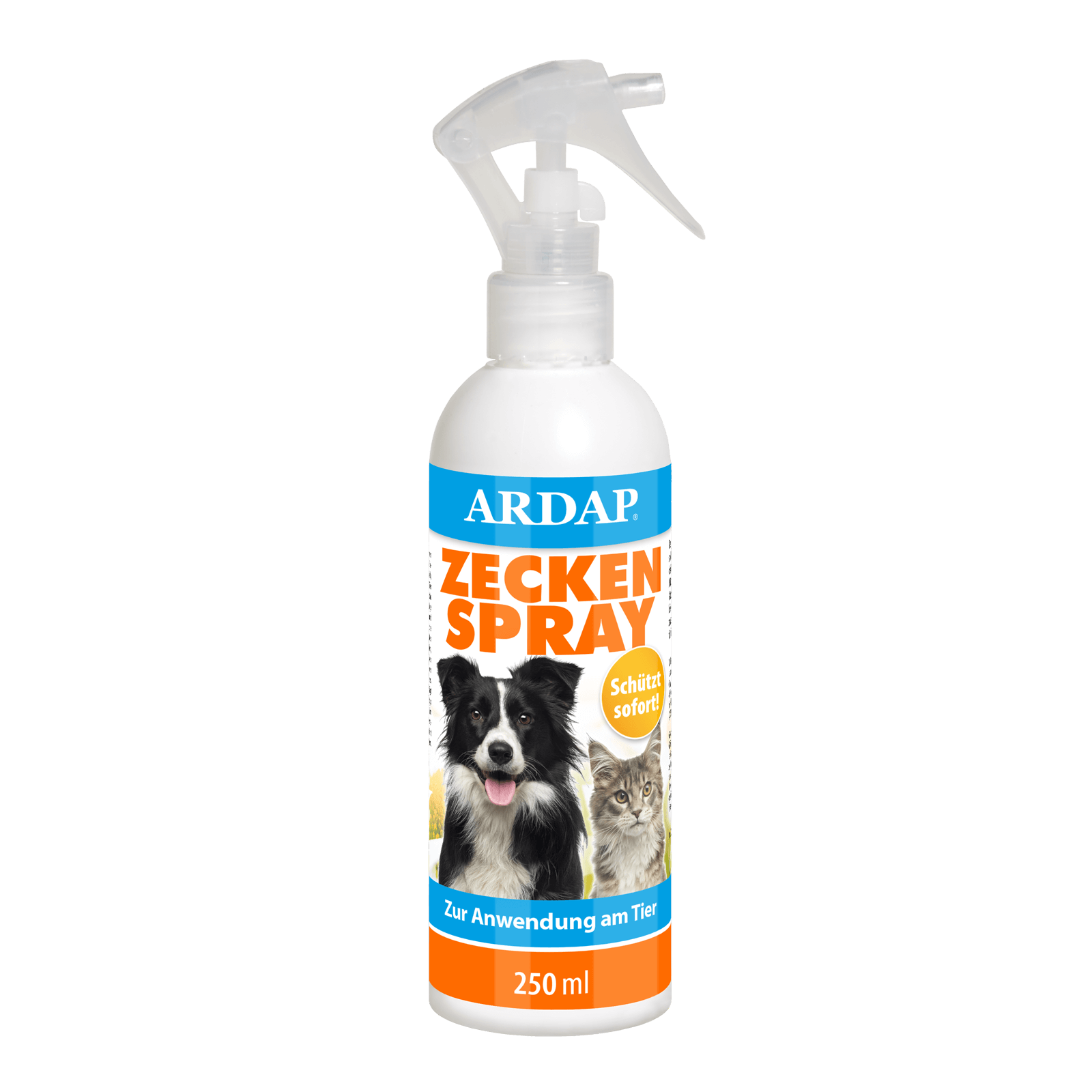
Although deer keds are also bothersome parasites, they are by no means as common or dangerous as ticks. As a general rule for tick protection: It is best to combine several preventive and repellent products. You can achieve an ideal effect by using a spot-on or tick collar, supplemented by tick and flea powder for dogs and cats or anti-tick dog shampoo. It is recommended to additionally spray your pet with a repellent tick spray before every walk in the forest.