Together with our parasitologist and veterinarian Prof. Dr. med. vet. Norbert Mencke, we are here to support you with everything you need to know about ticks and your pet.

Tick season at a glance
In which months are ticks active, when do they appear, and how long does the tick season last? We answer the most important questions and explain why this is an issue that remains relevant all year round.
Tick season in Germany
Ticks respond to the ambient temperature. As a rule, ticks become active from February or, at the latest, from March. The main season then continues into autumn. However, this does not mean that you or your pet cannot still attract ticks in winter. In fact, parasites can be active all year round.
Milder winters prolong tick season
During winter, it is important to keep an eye on temperature trends. Although no clear temperature threshold has been identified below which the appearance of ticks can be completely ruled out, the parasites can still be active even at temperatures below six degrees Celsius.
The only exception is prolonged frost, because the parasites will not leave their protective layer of leaf litter to avoid freezing. In principle, this means: if winter is mild, ticks remain active for longer and can therefore be active all year round.
Early risers: adult ticks and nymphs
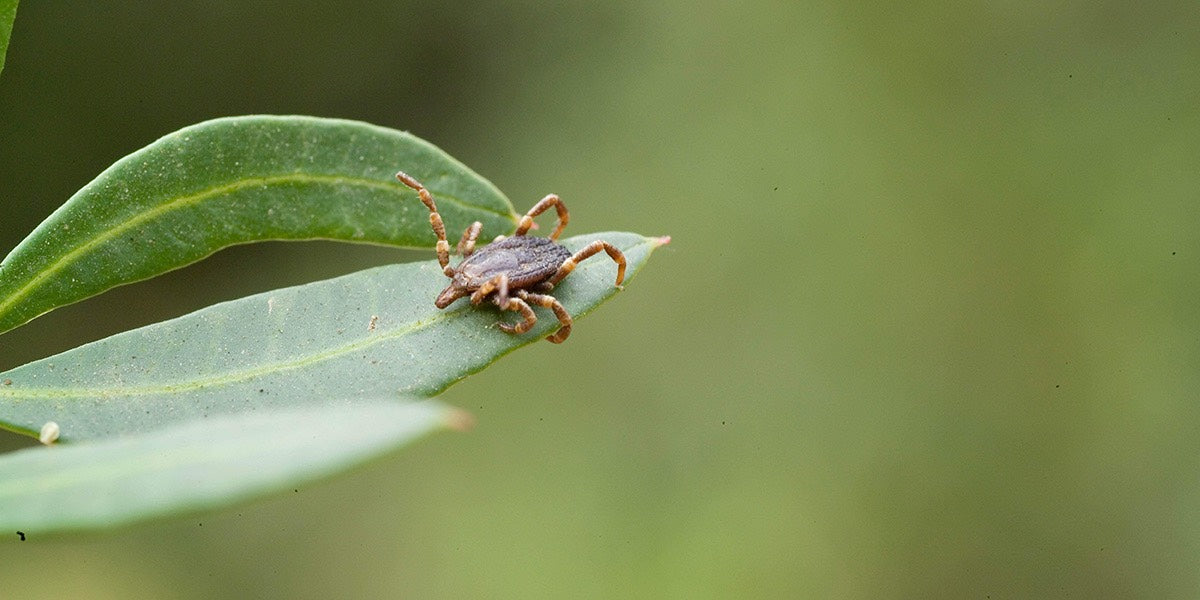
Ticks go through several developmental stages, from eggs to larvae and nymphs, and finally to adult ticks. The time at which the parasites become active usually varies depending on the developmental stage. Nymphs and adult ticks appear first. They emerge from their overwintering hiding places as early as March. This poses a problem, because it is the parasites in these two developmental stages that pose a health risk and can transmit diseases such as Lyme borreliosis and FSME (tick-borne encephalitis). We must therefore be careful as early as spring. From April or May, the larvae also become active.
Is all of Germany considered a risk area?
Ticks do indeed pose a risk throughout Germany and can, in principle, transmit the FSME virus anywhere. However, there is a higher risk of infection in FSME risk areas. The two federal states of Bavaria and Baden-Württemberg are particularly affected. But there is also an increased risk in parts of Hesse, Thuringia, Saxony, and Brandenburg. It is estimated that approximately half of the cities and districts in the Federal Republic now belong to FSME risk areas.

Current tick season
For the common wood tick (Ixodes ricinus), a climate with moderate temperatures of eight to ten degrees Celsius is ideal. The wood tick (Dermacentor reticulatus) is more resistant to cold and therefore also occurs in cooler climates. It should also be damp. It is therefore not unusual for ticks to retreat during a dry period, even in the middle of tick season. During the warm season, this is not due to excessively high temperatures, but rather to the lack of moisture. However, ticks can easily survive very high temperatures in their hiding places. In principle, whenever ticks are active and pose a risk to humans, the same applies to our pets. This is because tick season is the same for dogs and cats as it is for humans.

Danger to dogs
For example, you should thoroughly check your dog after a walk in the woods. This is because the parasites are particularly interested in four-legged animals as hosts. The common wood tick, for example, transmits Borrelia bacteria. This is the pathogen that causes Lyme borreliosis, also known as tick-borne borreliosis. Symptoms include lethargy, loss of appetite, fever, and intermittent lameness. Serious consequences can arise especially from the viral disease FSME (tick-borne encephalitis). The southern and southeastern federal states are particularly affected. In principle, the risk of dogs clinically developing the disease is low. However, if this does occur, the disease often runs severe. It is therefore important to protect your dog particularly well.


Be careful with cats
Fortunately, cats are less likely to become infected with pathogens transmitted by ticks. Therefore, they are also less likely to suffer from the unpleasant symptoms associated with these diseases. Nevertheless, cats are also exposed to a risk, especially when their immune system is already weakened. Furthermore, unlike humans and dogs, cats cannot be vaccinated against FSME or borreliosis. It is therefore also a good idea to take preventive measures for cats.


Time for preventive measures
Would you like to know how you can best protect your pet from ticks? We present the most effective methods of protection.
Year-round protection for your pet
There are various products on the market that provide year-round protection. Products containing the active ingredient Chrysanthemum cinerariaefolium (pyrethrum) are particularly reliable for repellent, i.e., tick-repelling protection and are available as collars, sprays, or shampoos. Regardless of which formulation you choose, it is important that the tick protection offers no gaps and that you choose reliable, highly effective products. As shown above, tick infestation is possible at any time of the year.
Spot-On or tick collar? Your choice
Among the most reliable tick repellents are Spot-On and collars. The ARDAP Tick Spot-On for cats or the ARDAP Tick Spot-On for dogs, as well as the ARDAP Tick collar for cats or the Tick collar for dogs, provide long-lasting repellent protection thanks to pyrethrum from chrysanthemum flowers. There is no difference in their reliable effectiveness. It is simply up to you to decide which formulation suits you or your pet best.

For reliable protection: tick spray, tick powder & shampoo
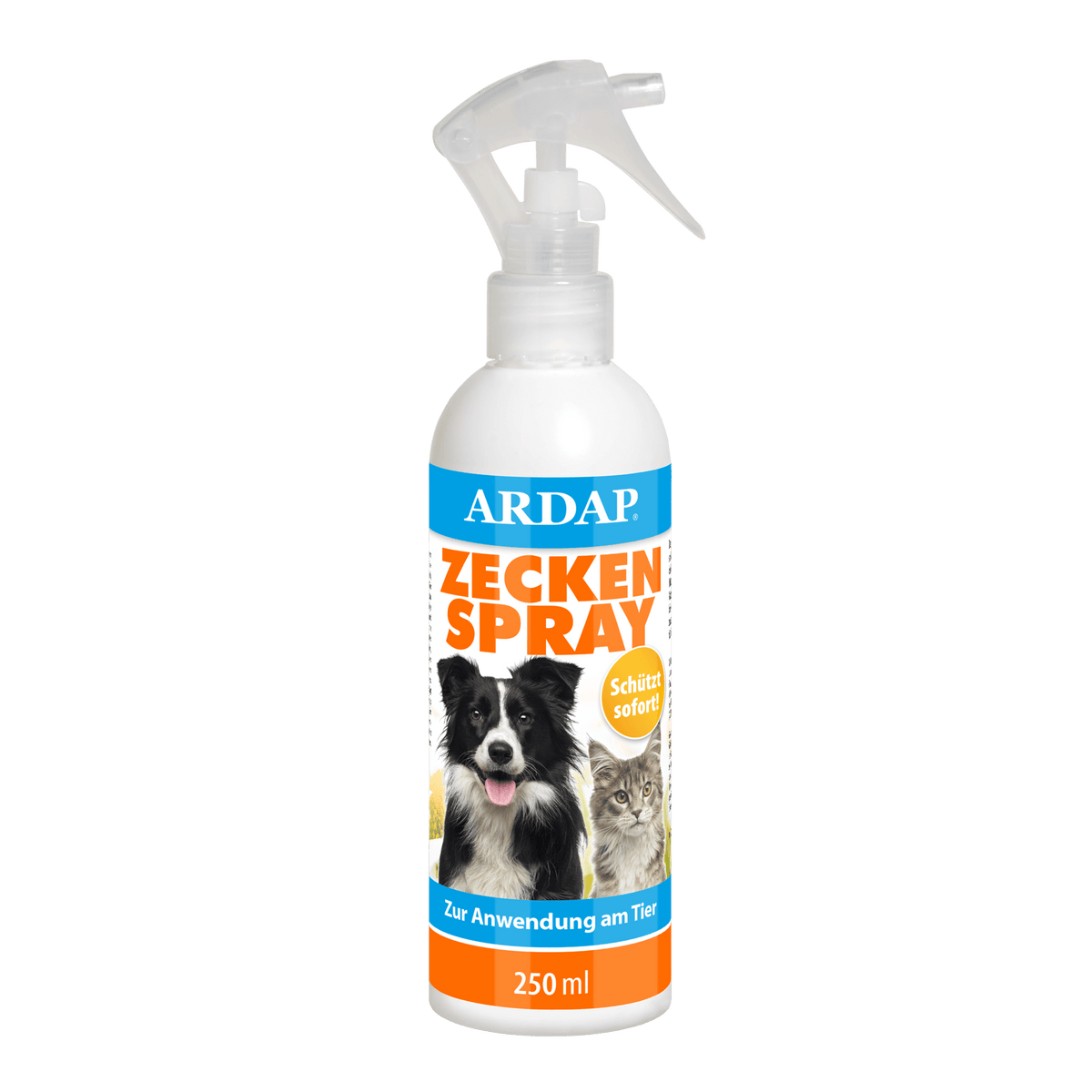
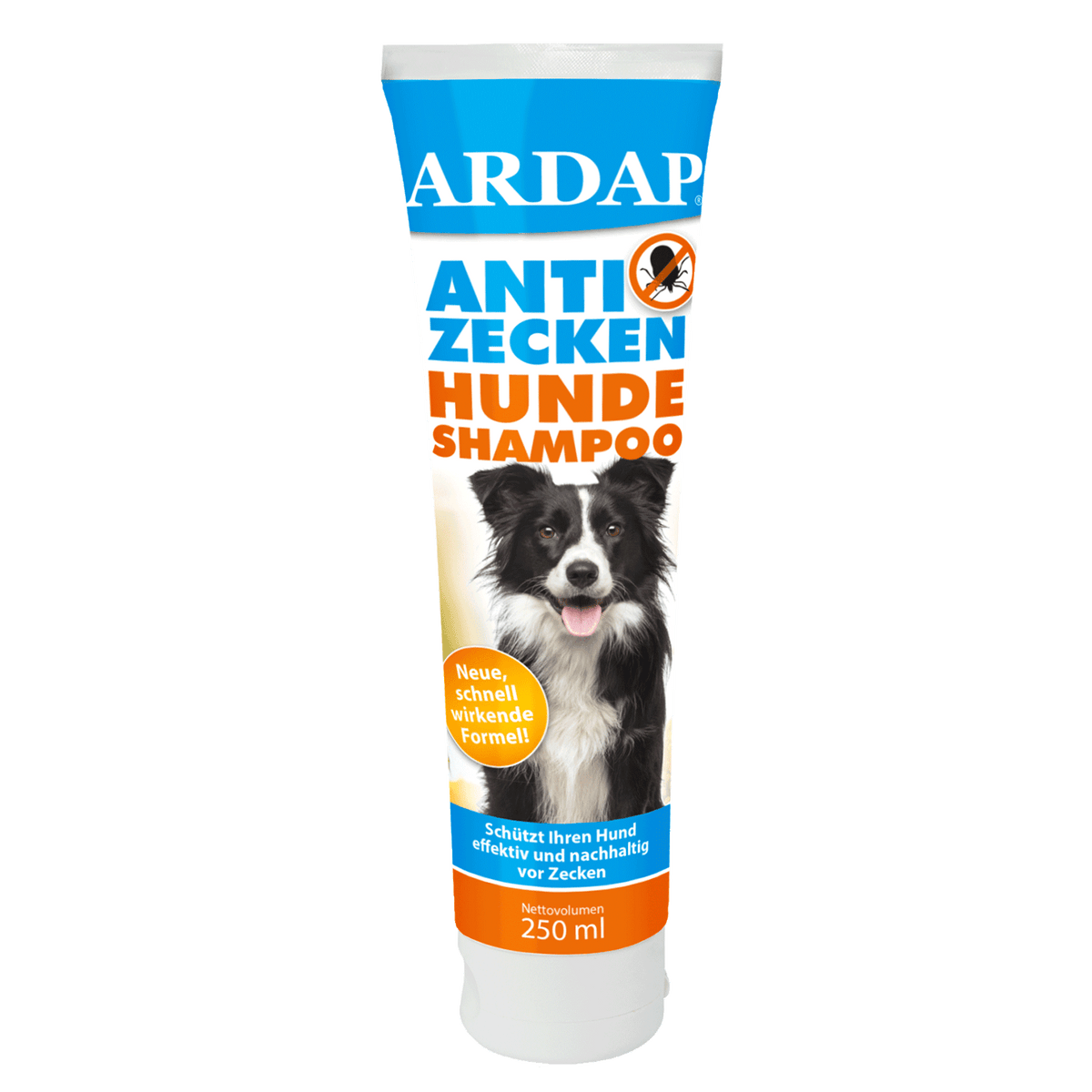
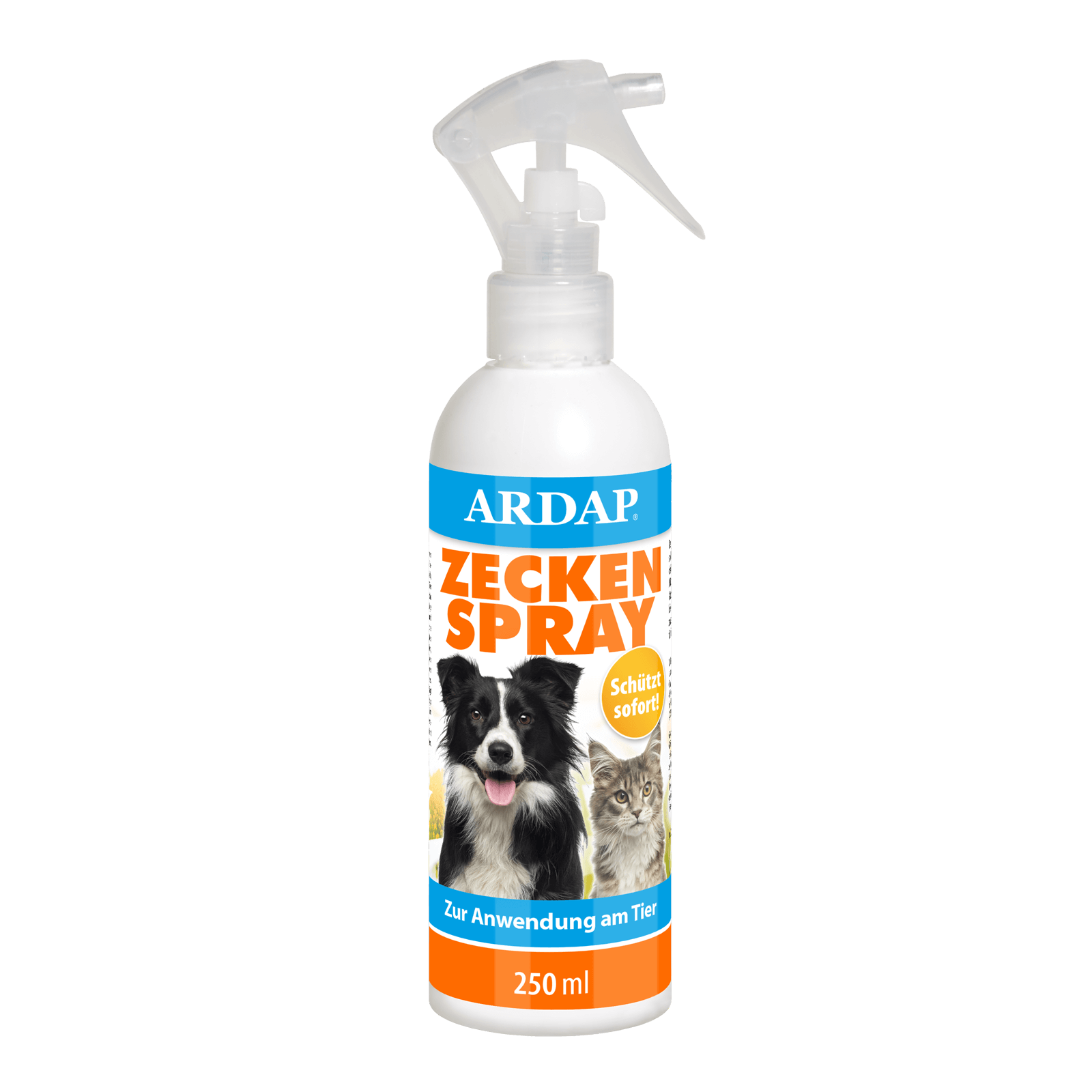
Tick spray, powder, and shampoo can be used in addition to Spot-On or collars to provide reliable tick protection. This is particularly useful before walking your dog, as areas that are especially prone to tick bites, such as the neck, paws, and base of the tail, can be sprayed with the ARDAP Tick spray. The repellent effect takes effect immediately and lasts for up to four weeks. You can also use the ARDAP Anti-tick dog shampoo on your dog. This also gives your pet a well-groomed and hygienic coat.
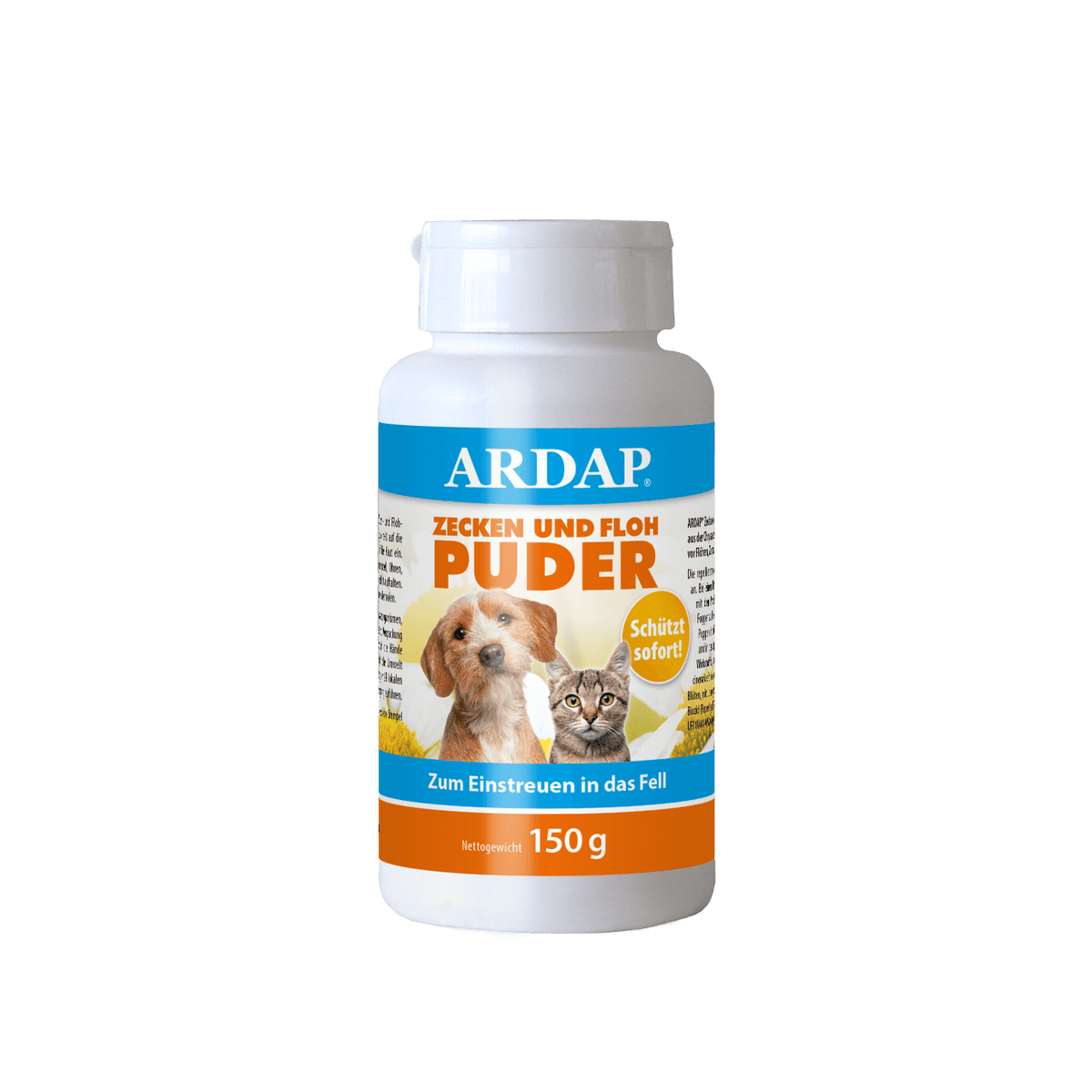
Another option is the use of ARDAP Tick powder for dogs and cats. It is as easy to use as all ARDAP products and is especially ideal for animals that do not like the sound of spraying. You simply sprinkle the product into your pet's fur. It contains pyrethrum and lavender oil as active ingredients, which provide repellent protection for one week. In addition to ticks, the powder also repels fleas.