In close cooperation with our expert, the experienced veterinary specialist and parasitologist Prof. Dr. med. vet. Norbert Mencke, we will inform you below about the dangers of tick-borne diseases for your dog. We will go into more detail about the symptoms and give you practical tips and recommendations for preventive tick protection.
- What diseases do ticks transmit to dogs?
- Tick risk areas
- What to do in case of a tick bite?
- Stay healthy through prophylaxis

What diseases do ticks transmit to dogs?
Even though not every tick carries pathogens and a transmission of pathogens does not necessarily lead to an illness or a severe course, you should not underestimate the risk of tick bites for your pet. Therefore, remove every tick immediately when you spot it in your dog's fur. If a tick has already attached itself to feed on blood, mark the bite site after removal and check it regularly for the first two weeks after the tick removal to be safe. Pay special attention to swelling and redness around the bite site. If your dog gets a fever after a tick bite or shows unusual behavior, you should have the symptoms checked by a veterinarian.
FSME
When it comes to diseases whose pathogens are transmitted by ticks to mammals, many people first think of tick-borne encephalitis (FSME). Dogs can also get FSME, and unlike humans, pets cannot be protected from the viral infection by vaccination.
Lyme disease
Unlike FSME viruses, borrelia, the pathogens of Lyme disease, are not limited to specific risk areas, but can be found anywhere the ticks that transmit them are located. The most common Lyme disease vector is the common wood tick, by far the most common tick species in Germany. An infection with borrelia leads to an immune reaction in the dog, but only a few clinical cases have been described for Europe and the borrelia species occurring in Europe. If Lyme disease in dogs occurs, this can lead to serious health problems such as high fever, lethargy, and joint swelling and pain. The earlier the infection is detected and treated, the lower the risk for the dog to become seriously ill or develop chronic symptoms as a consequence of Lyme disease. The extensive or ring-shaped "wandering redness", as described for an infection with borrelia in humans, is absent in dogs.
Anaplasmosis
Anaplasmosis is also a potentially very dangerous disease for dogs, which can be transmitted to dogs by native ticks. The bacterial pathogen of the disease, Anaplasma phagocytophilum, is transmitted by the common wood tick. In the Mediterranean region, the brown dog tick (Rhipicephalus sanguineus) transmits another species of anaplasma, Anaplasma platys.
Babesiosis
The babesiosis that is particularly feared by many dog owners is often and mistakenly referred to as "dog malaria" in common parlance. The pathogens are tiny single-celled parasites (babesia) that infect the red blood cells. Babesia are transmitted to dogs by the brown dog tick. The woodland tick, also called the meadow tick or colorful tick (Dermacentor reticulatus), which is increasingly spreading in Germany, can also transmit babesia to dogs. During biting and blood-sucking, the pathogens can enter the dog's body. Untreated, babesiosis can become life-threatening for dogs and even lead to death through the destruction of red blood cells. Because the woodland tick is feeling increasingly comfortable in Germany as a result of global warming, the most effective prevention of illness is a consistent protection with repellent tick products. This keeps ticks, fleas, and other parasites away from your dog reliably.Ehrlichiosis
Like anaplasmosis and babesiosis, ehrlichiosis also infects the blood cells, can damage or destroy them. Ehrlichiosis in dogs is diagnosed in dogs that have traveled to endemic areas such as the Mediterranean region, or have been imported from there. Then also often with a co-infection with other pathogens of so-called vector-borne diseases such as babesia, leishmaniasis, or also heartworm. Dogs usually bring the pathogens from the Mediterranean region, where the heat-loving brown dog tick is native. Ehrlichia are transmitted by the tick to the dog. However, humans cannot get infected by their pets. As with other tick diseases, early diagnosis and treatment are crucial for a rapid and complete recovery. If ehrlichiosis is detected too late, it can damage the nervous system and cause permanent damage in severe cases. Unfortunately, severe or even fatal courses in weakened animals, such as older dogs with pre-existing conditions, are not uncommon.
Tick risk areas
Because the winters are becoming milder here too, there is no clear tick season/a> here, and classic risk areas are expanding accordingly. The native ticks and also new tick species, which are e.g. introduced by migratory birds, remain active all year round when temperatures hardly or not at all drop below freezing.
In Germany
In Germany, vector-borne diseases, i.e. the pathogens transmitted by ticks to dogs, are closely linked to the distribution of the two tick genera, the common wood tick (Ixodes ricinus) and the woodland, meadow, or colorful tick (Dermacentor reticulatus). The pathogens with which dogs in Germany can be infected during a tick infestation are especially anaplasmosis (Anaplasma phagocytophilum) and babesiosis (Babesia canis). In addition, other pathogens occur in dogs with a travel history such as ehrlichiosis (Ehrlichia canis). Also, just as in the case of imported dogs, other vector-borne diseases transmitted by ticks can be expected during travel.
In Europe
Ticks are practically everywhere in the world. Nevertheless, the risk of infection can vary greatly from country to country and from region to region. Due to the rising temperatures, ticks can now also settle and spread in northern European areas, as we are currently experiencing with Dermacentor ticks.
If a new tick species is sighted, it does not mean that it will also become permanently native. For example, it is not unusual that ticks from tropical regions repeatedly travel to Europe with migratory birds, where they are then observed as a new tick species and potential vector of other dangerous diseases and are also feared by many people. However, the concrete danger situation for dogs and humans has remained constant during the last few years.
In non-European countries
Outside Germany and also in non-European travel countries, there are other tick species and thus additional infection risks. Ticks from tropical and subtropical regions can transmit dangerous pathogens to humans and animals. Exotic tick species can also transmit pathogens of diseases such as ehrlichiosis or babesiosis, which are widespread in their respective home countries. Therefore, it is absolutely important and crucial for dog owners who present their pet at the veterinary practice to inform the treating veterinarian about the trip, or whether it is an imported dog. Only in this way can it be ensured that appropriate diagnoses are made and the right therapy is initiated in case of a confirmed infection. Also, pet owners should before a trip abroad inform themselves about the occurring vector diseases and take appropriate prevention in good time before the trip. As a dog owner, you should also always keep the dangers of tick bites in the non-European countries in mind and take appropriate precautions.

What to do in case of a tick bite?
The quick removal of a tick reduces the transmission or infection risk. To remove the tick quickly and completely, grip it with a tick hook or a tick tweezers directly behind the head and then pull the parasite out of the skin without wiggling or twisting movements. At this point, it is important to prevent the rear tick body from being squeezed or even bursting, as otherwise pathogens can enter the puncture site. If the tick head gets stuck, this usually poses no danger and the dog's immune system will reject it.
Removing parasites with the tick hook
Extremely practical and always quickly at hand is the ARDAP tick hook in a set of 3. The three tick hooks reliably remove ticks of every size. From the tiny, hungry young tick to the fully engorged, swollen female. The tick hooks can be easily attached to a dog leash or keychain and taken everywhere. The ARDAP tick hook with tweezers is the perfect combination tool. The one side with the tick hook is made for securely gripping, holding, and pulling out ticks. The tweezers on the other side safely remove even the smallest ticks as well as foreign bodies such as thorns or splinters. With these professional tools, the correct tick removal is no problem even at hard-to-reach places on your pet.


Present sick four-legged friends to the veterinarian promptly
Usually, tick diseases in dogs manifest through symptoms that occur within the first 1-2 weeks after the tick bite. To do everything right as an owner, you do not need to be a veterinarian or parasitologist. It is enough if you lovingly and attentively observe your dog, especially after a tick bite, and have every conspicuous change such as fever, loss of appetite, digestive problems, or lethargy checked by the veterinarian.
Basically, if your dog shows symptoms of illness after a tick bite or its behavior changes, you should rather make an appointment in the veterinary practice of your trust today than tomorrow. The early detection of tick diseases is almost always done through blood or PCR tests, with which antibodies or also the pathogens directly via DNA can be detected.

Stay healthy through prophylaxis
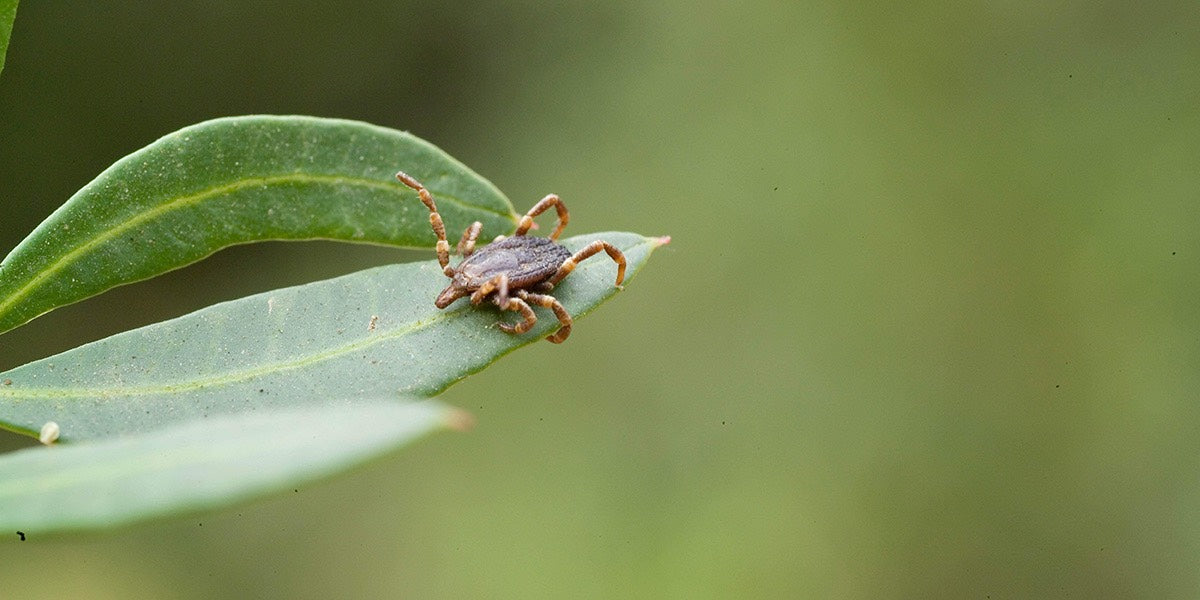
Shield ticks such as the common wood tick and the woodland tick are so-called ambush ticks, in contrast to the brown dog tick, which is known as a hunting tick. Wood tick and woodland tick spend a good part of their lives waiting on a blade of grass or leaf and waiting for a host animal to come close enough to their ambush site or sit or lie down in the immediate vicinity. Then the tick only has to let go of its blade of grass and maybe crawl a little to get into the fur or on the skin of your pet. The parasite recognizes suitable hosts with the help of special sensory organs on its first pair of legs, with which it perceives among other things the CO2 in the exhaled air as well as the body heat of mammals. Exactly here repellent (repelling) products come in, which with proper application reliably prevent a tick infestation.


Repellent products against ticks for your dog
The active ingredient pyrethrum from the chrysanthemum contained in the various tick protection products from ARDAP is a highly effective product and offers directly after the external application on your pet a reliable, repellent protection against ticks.
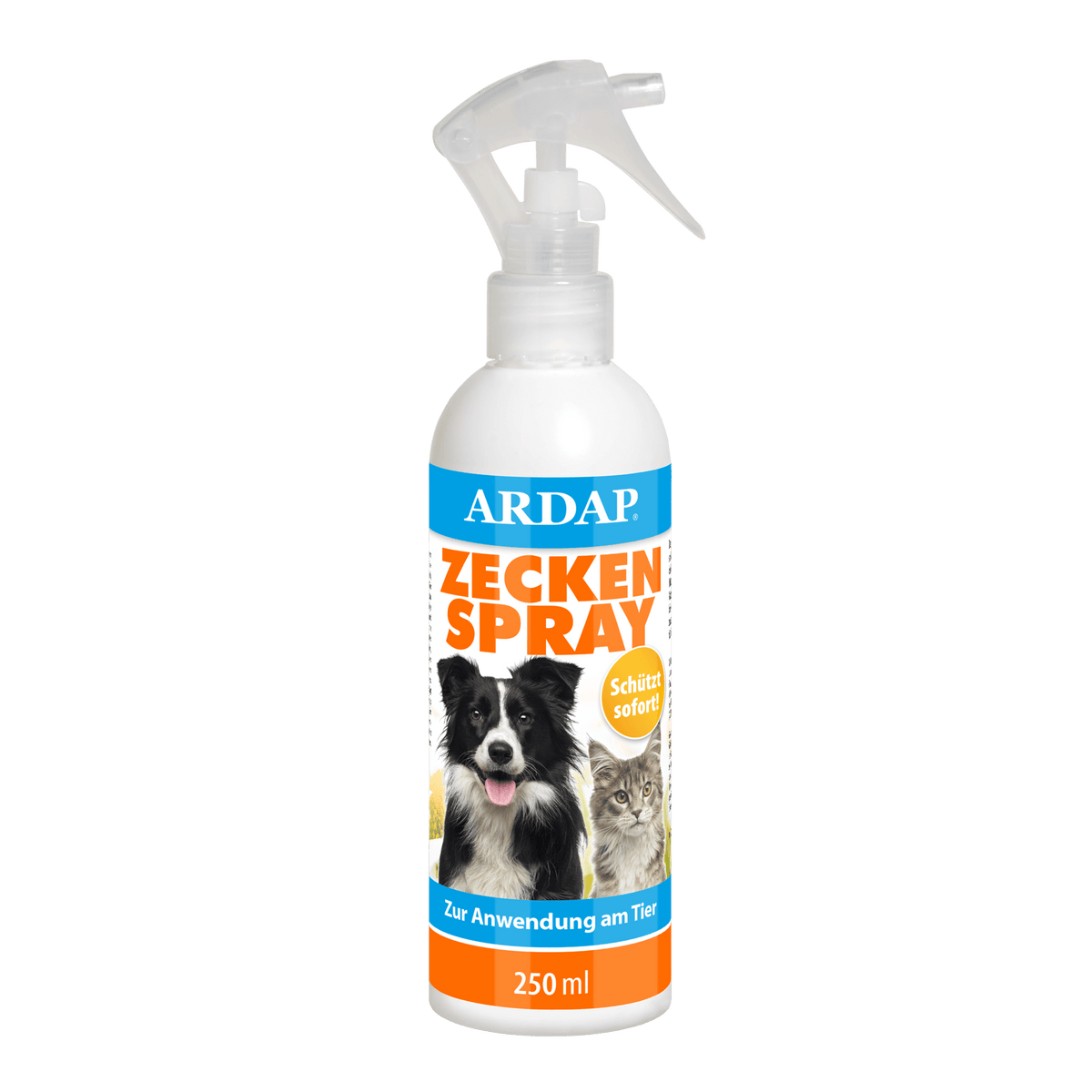
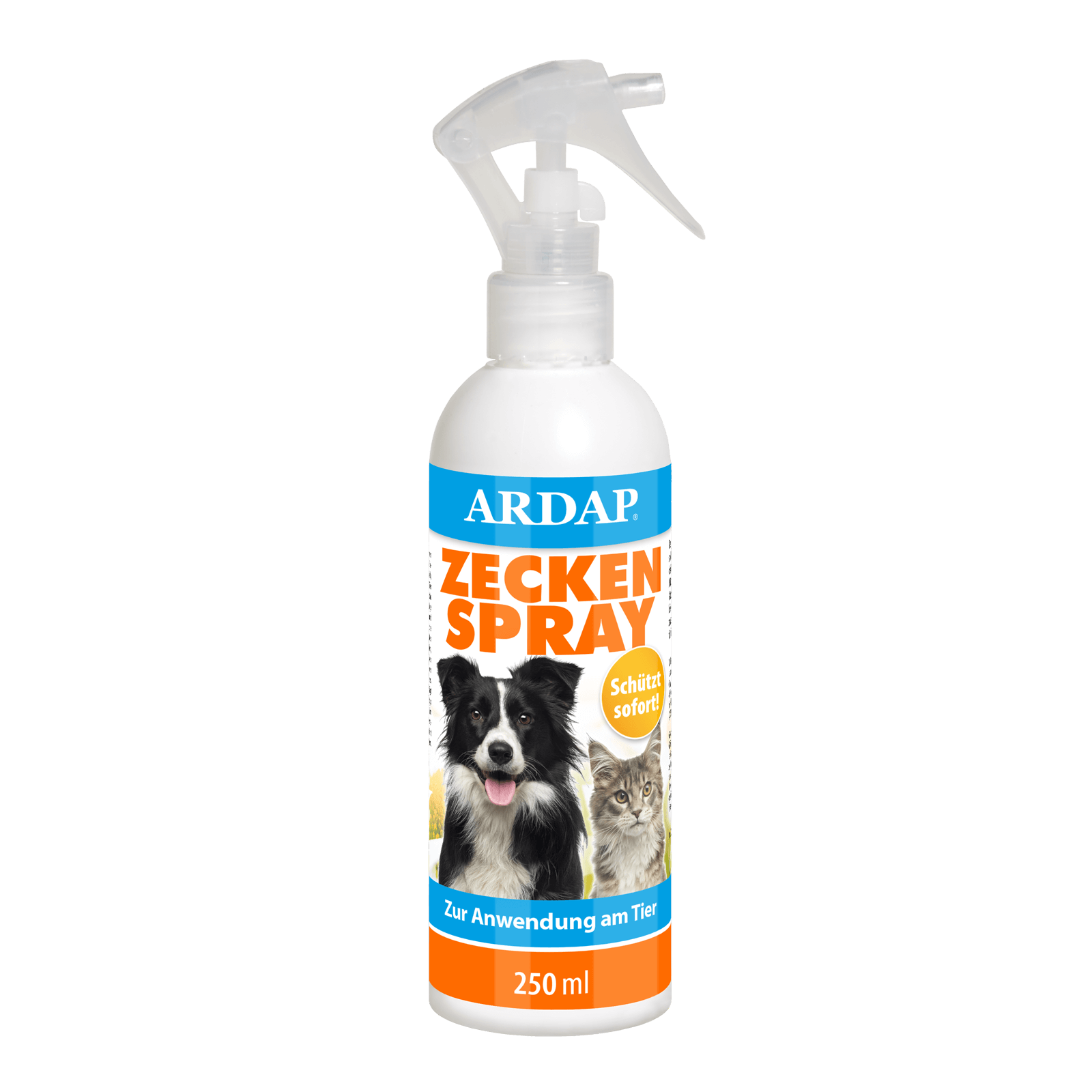
With the ARDAP Tick Spot-On for dogs or the ARDAP Tick collar for dogs you ensure a continuous basic protection for 4 weeks or 4 months per application. As a supplement, the ARDAP Tick spray and the ARDAP Tick powder for dogs & cats are available to you. With this you can additionally protect especially vulnerable body parts. With the ARDAP Anti-tick dog shampoo you additionally specifically remove dirt as well as unpleasant odors and can hygienically care for the fur of your dog. In addition, your dog also benefits here from an effective, repellent protection.
Matching video with application tips: