In the following guide, created in close cooperation with Prof. Dr. med. vet. Norbert Mencke, an experienced specialist veterinarian in parasitology, we answer important questions about ticks and optimal tick protection and inform you about ARDAP tick repellent products and their application.
- How to reliably identify a tick bite
- Transmission of pathogens through tick bites
- How to properly prevent and treat tick bites
- Better prevention! Effective tick protection all year round
- Conclusion
- Frequently asked questions
A tick bite is difficult to detect without the tick itself and is often only visible as a small red dot.
Itching and skin reactions typically occur only with a delay, as tick saliva suppresses inflammation.
On pets, ticks preferentially bite the head, neck, armpits, as well as the shoulder and chest area.
Redness, swelling, itching are possible symptoms. In sensitive animals, behavioral changes or serious symptoms such as fever may also occur.
Ticks can transmit dangerous pathogens such as FSME, Lyme disease, babesiosis, ehrlichiosis, and anaplasmosis.
Since ticks are active all year round, comprehensive protection of pets throughout the year is recommended. The proven highly effective products from ARDAP support you in this.

How to reliably identify a tick bite
What does a tick bite actually look like? This question is actually not necessarily easy to answer. If the tick is still firmly attached to the skin, the puncture site is, of course, easy to identify. After removal or the tick falling off, you will usually see at most a red dot, which, like a mosquito bite, may be more or less red and/or swollen. Therefore, for laypeople and with the naked eye, it is usually not reliably possible to detect a tick bite without the tick.
However, a characteristic feature of tick bites is that itching and other skin reactions do not occur immediately. Often, they are only noticeable after you have removed the tick or it has fallen off. This is because ticks inject saliva into the wound when they attach and feed on blood. This contains substances that inhibit blood clotting and suppress an inflammatory reaction. In the best-case scenario for the parasite, the tick bite remains undetected until the end of the blood meal – then the engorged tick voluntarily lets go and falls off.

Typical puncture sites on dogs and cats
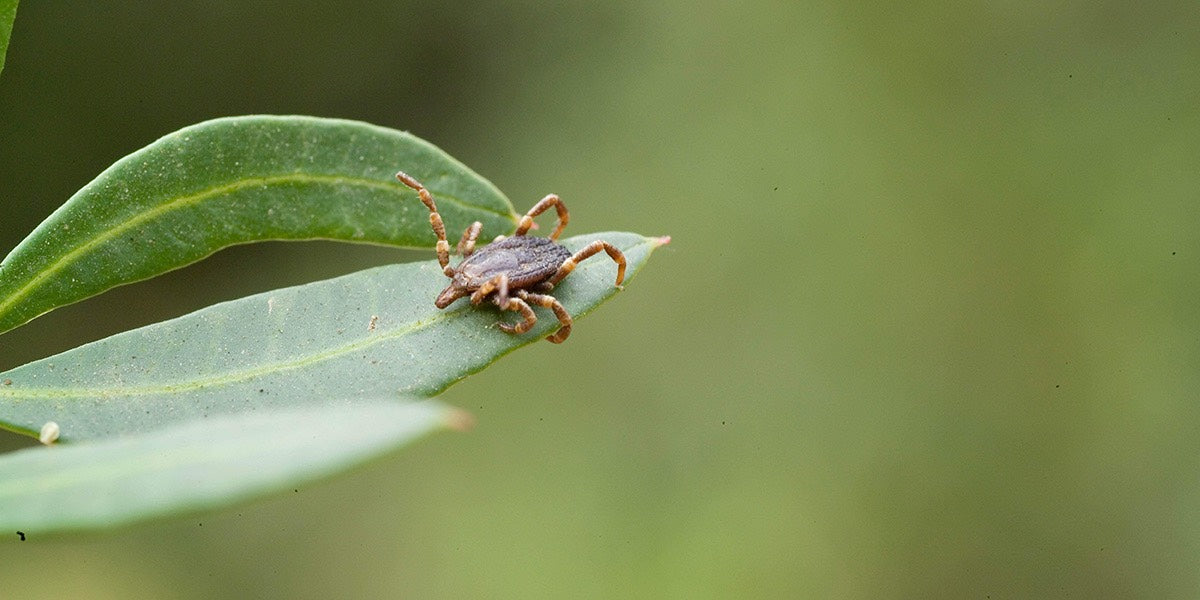
Ticks found in Germany, such as the common wood tick (Ixodes ricinus), have no eyes and can neither actively hunt nor climb high. They also require high humidity to prevent dehydration. Contrary to a widespread myth, ticks do not drop from trees onto their victims. Instead, they lurk on blades of grass or in low bushes waiting for a host animal to pass by and take them with it, e.g. by brushing against them. Animals that sit or lie down in the tick's ambush area are also easily accessible to the parasite.
Once a tick has reached the dog's or cat's fur, it crawls between the hairs until it finds a good spot to feed on blood. Preferred puncture sites are well-vascularized areas with as thin skin as possible. Dogs and cats are therefore often bitten by ticks on the head and neck, under the armpits, as well as in the shoulder and chest area. In principle, however, tick stings can occur anywhere on the body.

What are typical symptoms of a tick bite in pets?
Typical symptoms of a tick bite in pets at a glance:
- Local reactions: Typical symptoms are redness, swelling, and itching around the puncture site.
- Complications: Pets may scratch off the tick, leaving the head attached; however, this is usually shed by the body.
- Behavioral changes: Sensitive animals may react with stress, aggression, or depression.
- Alarming symptoms: Fever, swollen lymph nodes, vomiting, or lameness require a visit to the veterinarian.
- Disease transmission: Ticks can transmit pathogens that, in the worst case, can cause dangerous diseases.
Animals react very individually to tick stings. Typical symptoms include redness and swelling around the puncture site, as well as itching. It can happen that pets scratch off the body of the tick, leaving only the head or the foremost part with the mouthparts in the puncture site. In most cases, however, this is easily shed by the body as a foreign object.
Particularly sensitive pets may react to ticks or other parasites with stress, increased aggression, or depression. If symptoms such as fever, swollen lymph nodes, vomiting, or lameness occur after the tick sting, you should have the dog or cat examined by a veterinarian. Some ticks carry pathogens that they can pass on to their hosts, which, in the worst case, can cause dangerous diseases.
Transmission of pathogens through tick bites
Generally, the native tick species are not particularly picky about their host animals. If a tick harbors pathogens, it does not automatically pass them on to every host, and transmission of pathogens does not necessarily result in a disease. Furthermore, not all tick-borne diseases are equally dangerous to humans, dogs, and cats. Nevertheless, you should leave nothing to chance and it is best to prevent tick infestations with repellent products.


Diseases in dogs
In Germany, dogs are bitten primarily by the common wood tick, but also by rarer tick species such as the brown dog tick (Rhipicephalus sanguineus) or wood tick (Dermacentor reticulatus). All native tick species can transmit pathogens that are dangerous to dogs, including:
- FSME: Just like humans, dogs can also be infected with the virus that causes early summer meningoencephalitis through a tick sting. Depending on the course of the disease, it can cause symptoms such as fever, cramps, drowsiness, or paralysis.
- Lyme disease: It can manifest in dogs and humans in various ways. Characteristic symptoms also include fever, fatigue, as well as swollen lymph nodes and joints. Often, lameness due to joint inflammation is added, which can subsequently develop into kidney inflammation. You can have your dog vaccinated against Lyme disease.
- Babesiosis: Typical symptoms are fever, fatigue, jaundice, and red urine. The disease destroys red blood cells and can be fatal if left untreated.
- Ehrlichiosis: In dogs, it leads to lethargy and fever, swollen lymph nodes, weight loss, and other symptoms that can be very similar to those of babesiosis.
- Anaplasmosis: It manifests primarily through fever, but also through vomiting and diarrhea, pale mucous membranes, lameness, or swollen limbs.
- Rickettsiosis: The symptoms of the disease vary greatly depending on the type of rickettsia transmitted. However, they are usually mild, and the characteristic skin changes (e.g. red spots and pustules on the belly) usually heal without treatment.
While you cannot generally vaccinate a dog against ticks, if detected and treated in time, e.g. with antibiotics, diseases caused by the sting are usually well treatable and curable.
Because several days to weeks can pass between the tick sting and the onset of symptoms, regular checks are just as important for tick protection as good observation and, if necessary, documentation (notes in the calendar) of tick bites. Even better is to prevent a tick bite with reliable repellent products.
Diseases in cats
For outdoor cats, most tick stings are also caused by the common wood tick. However, cats are sometimes also bitten by the brown dog tick, the wood tick, or the hedgehog tick. Ticks are potential carriers of infectious pathogens such as Borrelia, Anaplasma, Mycoplasma, or the virus of feline infectious anemia. However, cats develop symptomatic diseases much less frequently than dogs.
Even Lyme disease often runs symptom-free in cats, and often the body's self-healing powers are sufficient for a full recovery. Although cats are more resistant to parasite-transmitted diseases than dogs, they are not safe from serious courses of disease and should therefore be protected against tick stings just as conscientiously and treated if necessary.
For non-specific symptoms, only a visit to the veterinarian or a laboratory test provides definitive clarity. Therefore, make an early appointment at the veterinary practice if you notice signs of illness or changes in your cat's behavior after a tick bite.

How to properly prevent and treat tick bites
The best remedy against ticks is comprehensive prevention. With repellent products whose active ingredients, such as pyrethrum from chrysanthemum flowers, repel or drive away ticks, you can prevent your pet from being infested with ticks and other parasites. In general, the risk of tick bites is highest between February and October. However, ticks are now active all year round. Comprehensive protection should therefore be continuous.

Remove ticks yourself or rather go to the veterinarian?
If you have discovered an attached tick due to a lack of prevention, it should be removed as quickly as possible .
With the right tool, you can easily remove ticks yourself. This is particularly efficient and safe with specially developed aids such as the ARDAP tick hook. This practical helper is very easy to carry with you, for example on a keychain, on a leash, or in a first-aid kit. With the tick hook with tweezers, you also have the right tool at hand for every tick size (from tiny to engorged).


You only need to go to the veterinarian for a tick if excessive skin reactions, fever, or other suspicious symptoms occur after the sting and removal of the parasite.
How to properly remove ticks from pets
Regardless of whether you remove the parasite with tick forceps, tweezers, or a tick hook: Pull the tick out straight and with a steady motion.
To disinfect the puncture site after tick removal, use the mildest possible disinfectant. Alternatively, you can put a few drops of alcohol on a paper tissue or pad and dab the area with it. With the Canosept skin care spray for dogs and the Felisept skin care spray for cats, you can then relieve the itching and prevent skin irritation and inflammation (e.g. from scratching).

Better prevention! Effective tick protection all year round
Due to the milder winters, cats and dogs are exposed to the risk of ticks all year round. Therefore, it is important to ensure reliable tick protection. You can easily achieve this with the ARDAP Tick Spot-On for Dogs and ARDAP Tick Spot-On for Cats, which is applied at regular intervals to the skin on the neck and also repels fleas based on pyrethrum from chrysanthemum flowers. Alternatively, the easy-to-use ARDAP Tick Collar for Dogs and ARDAP Tick Collar for Cats reliably protect against ticks for up to 4 months.
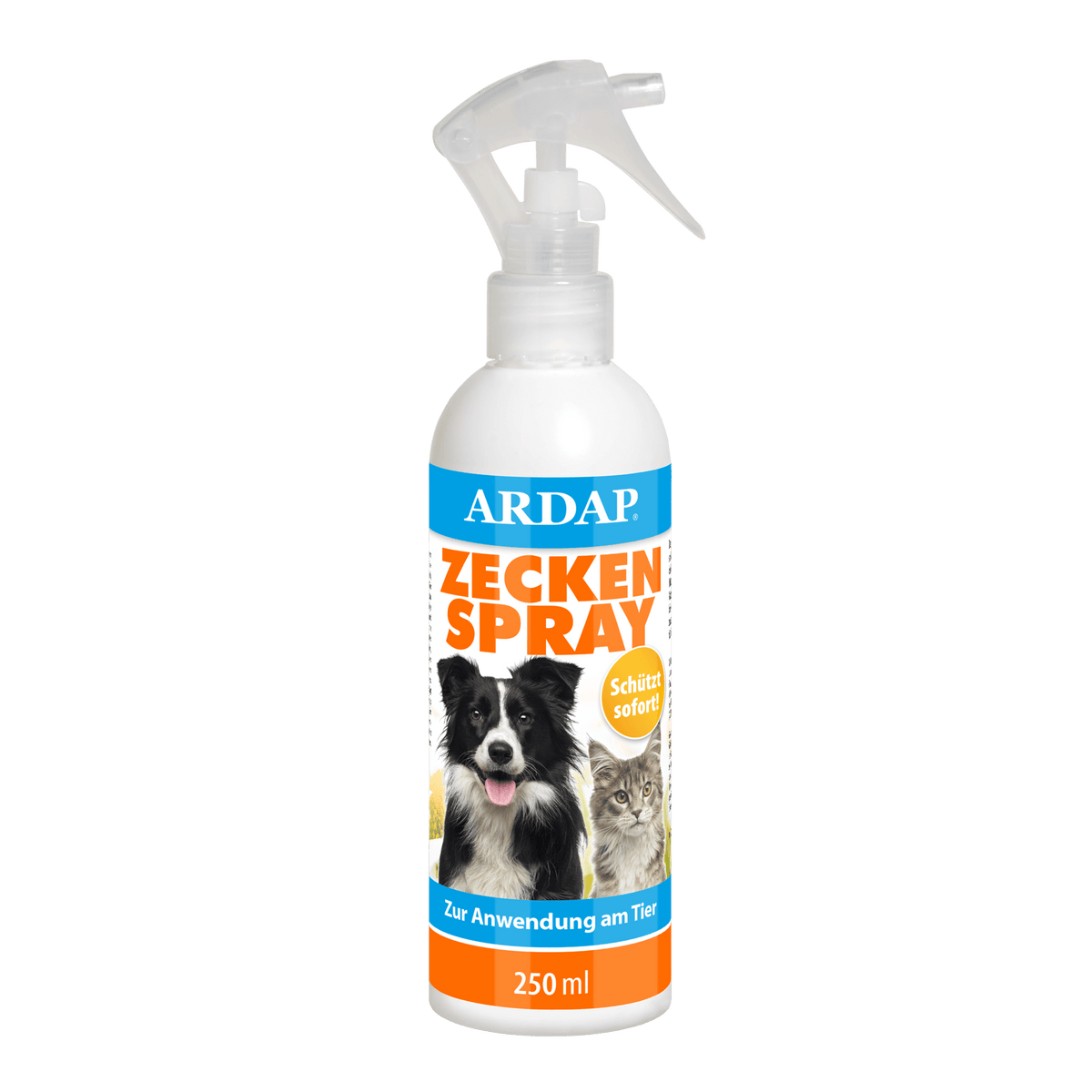
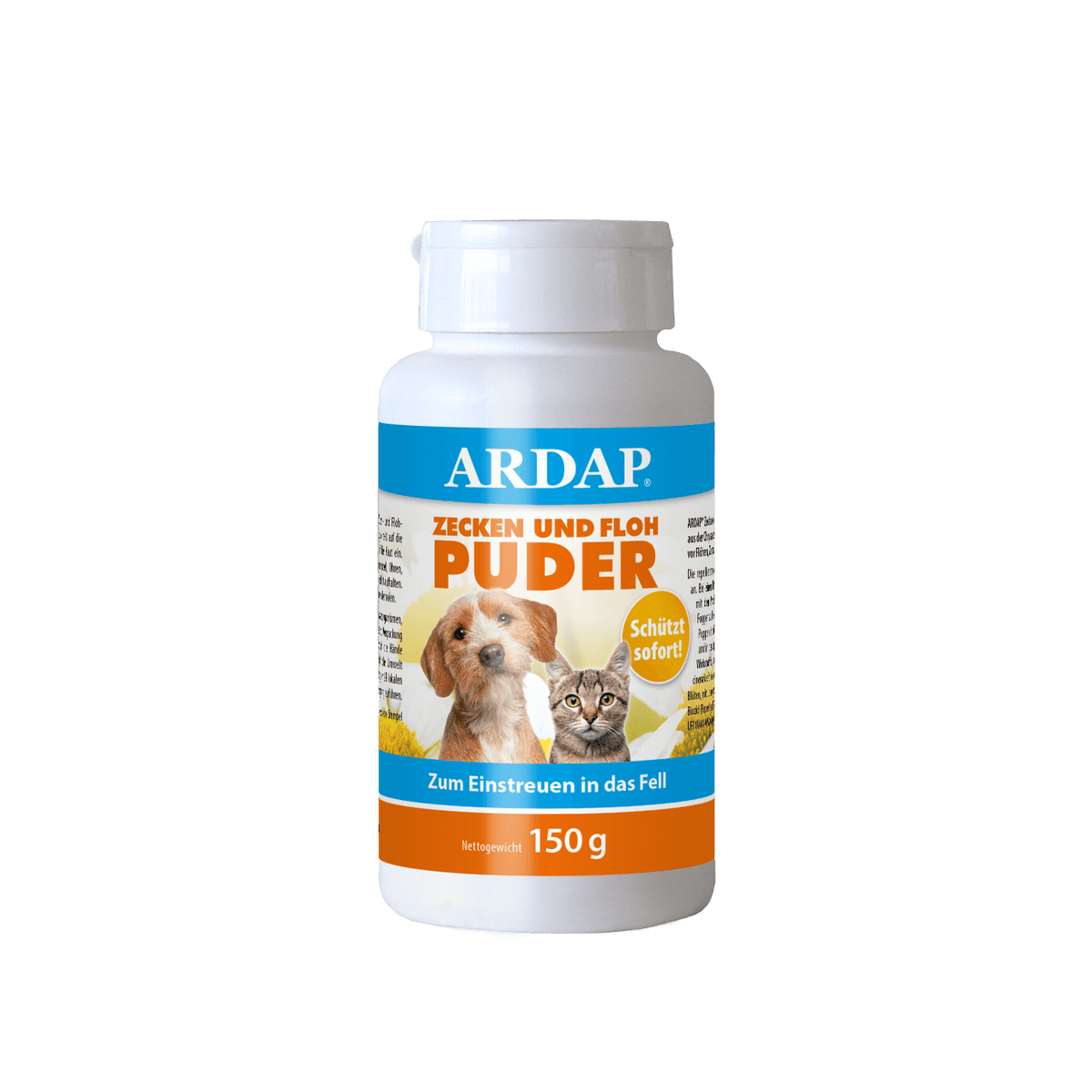
The ARDAP Tick Spray as well as the ARDAP Tick Powder for Dogs and Cats can be applied specifically to areas of the body where ticks particularly like to attach. You can use them to treat your pet's neck, belly, paws, and the base of the tail before an extended walk in the woods or a stroll through the meadows.
You can gently clean and care for your dog with the ARDAP Tick Shampoo for Dogs while simultaneously ensuring repellent tick protection.
Conclusion
Recognizing tick bites, scientifically known as a “tick bite”, is often difficult because after removing the tick, usually only a red dot like a mosquito bite is visible. A delayed itch is typical because tick saliva suppresses inflammatory reactions. In pets ticks prefer to bite well-vascularized areas such as the head, neck, armpits, and shoulder and chest area. Since every tick can potentially transmit pathogens, prevention is crucial. Here, the repellent-acting ARDAP tick collars or ARDAP Spot-Ons for dogs and cats are ideal, as they repel ticks before they bite. Other products such as the ARDAP Tick Spray and ARDAP Tick Powder complement the targeted comprehensive tick protection.
Frequently Asked Questions
What helps against tick bites in pets?
The ARDAP Anti-Tick Product Line helps against tick bites in pets because it offers reliable tick protection based on the repellent active ingredient pyrethrum from chrysanthemum flowers. Year-round application is advisable because ticks remain active throughout mild winters and damp summers.
How can I recognize a tick bite on my pet?
A tick bite, scientifically known as a “tick bite,” is usually recognized in pets by a small, reddened swelling at the bite site. Often, the tick is also still visible: it looks like a tiny, dark little creature that has bitten itself into the fur. If the pet is restless, scratches or licks itself repeatedly at one spot, this is another sign of a possible tick bite. For prevention, products such as the following are recommended:
which all offer effective protection against ticks and can prevent a tick bite.
How quickly should a tick be removed from a pet?
A tick should always be removed as quickly as possible from both pets and humans. Generally, the earlier a tick is removed, the lower the risk that pathogens such as Borrelia or FSME will be transmitted, as transmission usually only occurs after a few hours. A quick and correct removal without crushing the tick body and without twisting is crucial. For this purpose, the ARDAP Tick Hook and the ARDAP Tick Pliers are suitable.